7 Underground Spots in Rhodes That Define the City’s Cool Factor!
The Amber Labyrinth: Seeking the Counter-Current in Rhodes
The sun over Rhodes does not merely shine; it interrogates. It is a relentless, bleached-bone glare that flattens the topography of the Dodecanese, turning the Aegean into a sheet of hammered silver and the medieval walls into a kiln. Most visitors succumb to the primary colors—the blue of the sea, the white of the linen, the red of the tourist-trap Aperol Spritz. They march in formation through the Gate of Amboise, their sandals slapping against the polished river stones of the Street of the Knights, seeking a version of the past that has been vacuum-sealed for easy consumption. But I am looking for the shadows. I am looking for the “underground”—not necessarily in the literal, subterranean sense, though there is plenty of that in a city built atop layers of Hellenistic, Byzantine, and Ottoman sediment, but in the spiritual sense. I am looking for the Rhodes that breathes when the cruise ships pull away, the city that exists in the periphery of the flashbulbs.
The wind at the corner of Platia Arionos smells of scorched oregano and diesel exhaust. It is a dry, restless wind that tugs at the hem of my shirt like a frantic child. Here, the city feels less like a museum and more like a living organism, scarred and beautiful. To find the cool factor in a place as ancient as this, one must be willing to get lost in the “stene”—the narrow alleys where the paint on the doors hasn’t been refreshed since the 1970s, peeling away in brittle, sun-baked flakes to reveal the pale wood beneath like a healing wound.
1. The Echoes of the Hammam: The Ghostly Social Club
In the heart of the Old Town, away from the neon glow of the souvenir stalls selling mass-produced plastic gladiator helmets, lies the Plateia Arionos. Here stands the Yeni Hammam. While it is often closed for “restoration”—that eternal Greek euphemism for a lack of bureaucratic momentum—the area surrounding it remains a temporal dead zone. To sit on the low stone wall outside the bathhouse at twilight is to participate in a centuries-old silence. The architecture is a heavy, domed silence, the stone still radiating the day’s heat like a feverish brow.
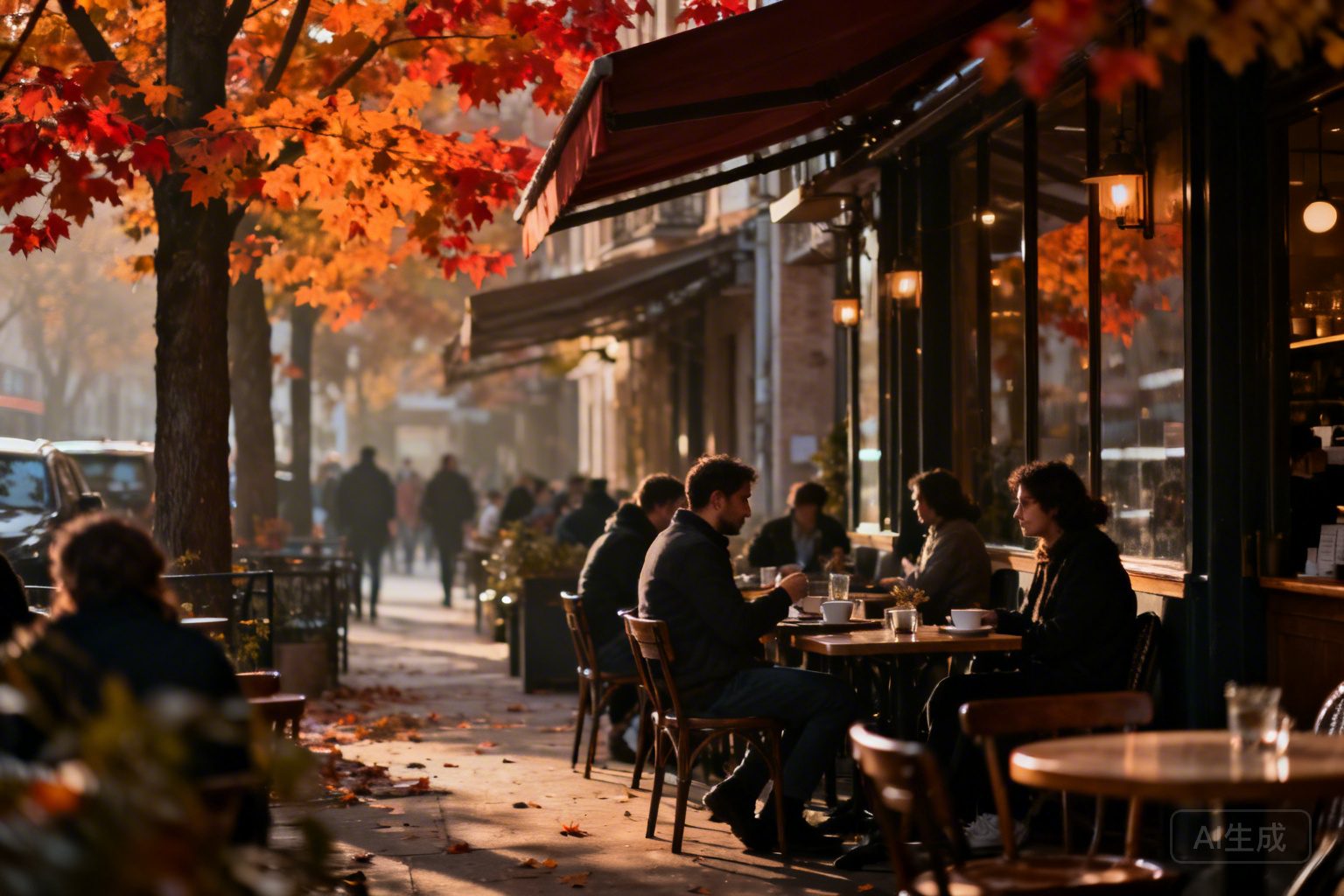
I watch a brusque waiter at a nearby café, a man named Kostas with fingers stained yellow by unfiltered cigarettes and a temperament like a thundercloud. He moves with a jagged efficiency, slamming carafes of raki onto rickety wooden tables without spilling a drop. He ignores the tourists. He only has eyes for the “pappous”—the grandfathers—who sit in the shade of a dusty plane tree, their worry beads (komboloi) clicking a rhythmic, percussive code. Click-clack. Click-clack. It is the heartbeat of the underground city. This isn’t a place for curated “experiences”; it is a place where time is treated with a healthy, Mediterranean indifference. The “cool” here is found in the lack of effort, the refusal to perform for the camera.