Agra’s Best Restaurants: 10 Culinary Hotspots You Simply Can’t Miss!
The Shadow of the Dome and the Scent of Ghee
Agra is a city built on the architecture of grief and the alchemy of butter. To the uninitiated, it is merely a transit point, a dusty corridor leading toward the blinding, white-marble symmetry of the Taj Mahal. But for the wanderer who ignores the frantic tug of the rickshaw pullers and the scripted narratives of the government guides, Agra reveals itself as a fever dream of spice and stone. The air here doesn’t just hang; it vibrates. It carries the metallic tang of the Yamuna River, the scorched-earth scent of summer asphalt, and, most importantly, the heavy, sweet perfume of slow-simmering cardamom.
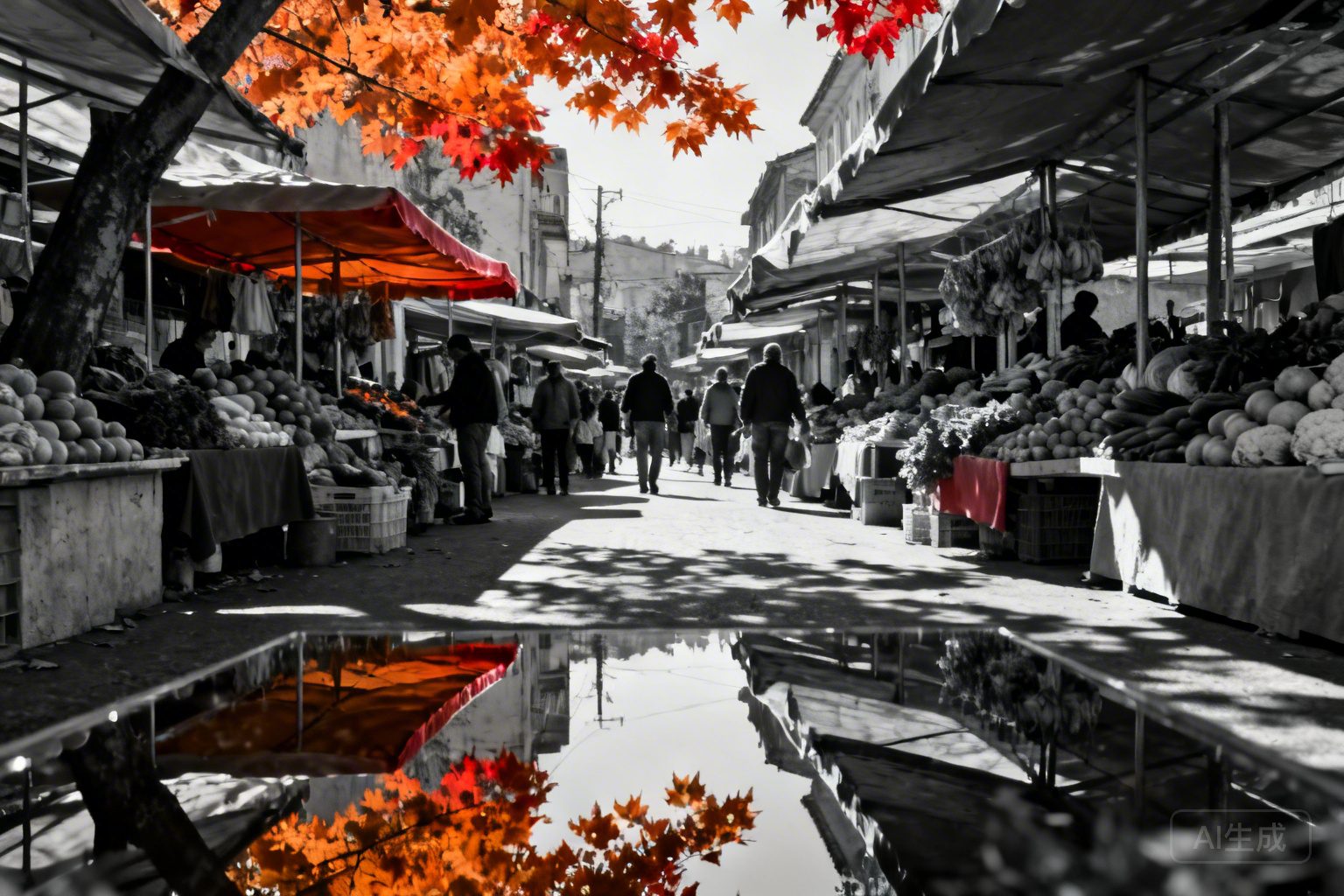
I stood at the edge of the Kinari Bazaar at six in the morning. The light was the color of a bruised peach. Here, the city doesn’t wake up so much as it exhales. I watched a brusque waiter at a nameless tea stall—his skin the texture of old parchment, his movements a blur of practiced indifference—pour scalding milk from a height of three feet. The liquid hissed into a glass tumbler, a trajectory of pure white against the soot-stained walls. This is the real Agra. It is a place where the 17th century doesn’t just haunt the 21st; it sits down at the table and asks for a piece of paratha.
1. Peshawri: The Primal Elegance of Smoke
In the quiet, air-conditioned sanctuary of the ITC Mughal, the world outside—the honking motorcycles, the dust, the frantic energy—evaporates. Peshawri is not merely a restaurant; it is a sensory immersion into the rugged frontier of the North-West. There are no forks here. Your hands are your primary tools, a deliberate stripping away of artifice that forces you to engage with the physical reality of the food.
The Dal Bukhara is the protagonist of this story. It is a black lentil stew that has simmered for eighteen hours over charcoal fires. The texture is velvety, almost decadent, carrying a deep, smoky resonance that feels ancient. I watched a silent monk-like figure in the corner, his saffron robes draped over the heavy wooden chair, systematically tearing pieces of Naan Bukhar—a bread the size of a shield—and dipping it into the dark gravy. The room smelled of toasted cumin and the specific, charred sweetness of tandoor-fired clay. To eat here is to understand that true luxury often resides in the mastery of time and fire.