Best Places to Visit in Mendoza: Our Top 10 Picks for Your Bucket List!
The Shadow of the Aconcagua: A Fever Dream in Malbec Country
The air in Mendoza does not merely circulate; it settles. It carries the dry, parched breath of the Atacama, filtered through the jagged, quartz-veined teeth of the Andes until it reaches the city as a cool, deceptive caress. I arrived when the sun was a bruised apricot hanging low over the Cordillera Frontal, the light hitting the acequias—those ubiquitous concrete irrigation ditches—with a glint like polished silver. These channels are the city’s jugular veins, a pre-Columbian inheritance from the Huarpe people, refined by Spanish hands, keeping this desert oasis from surrendering to the dust. To walk Mendoza is to walk a tightrope between a man-made forest and a brutal wilderness.
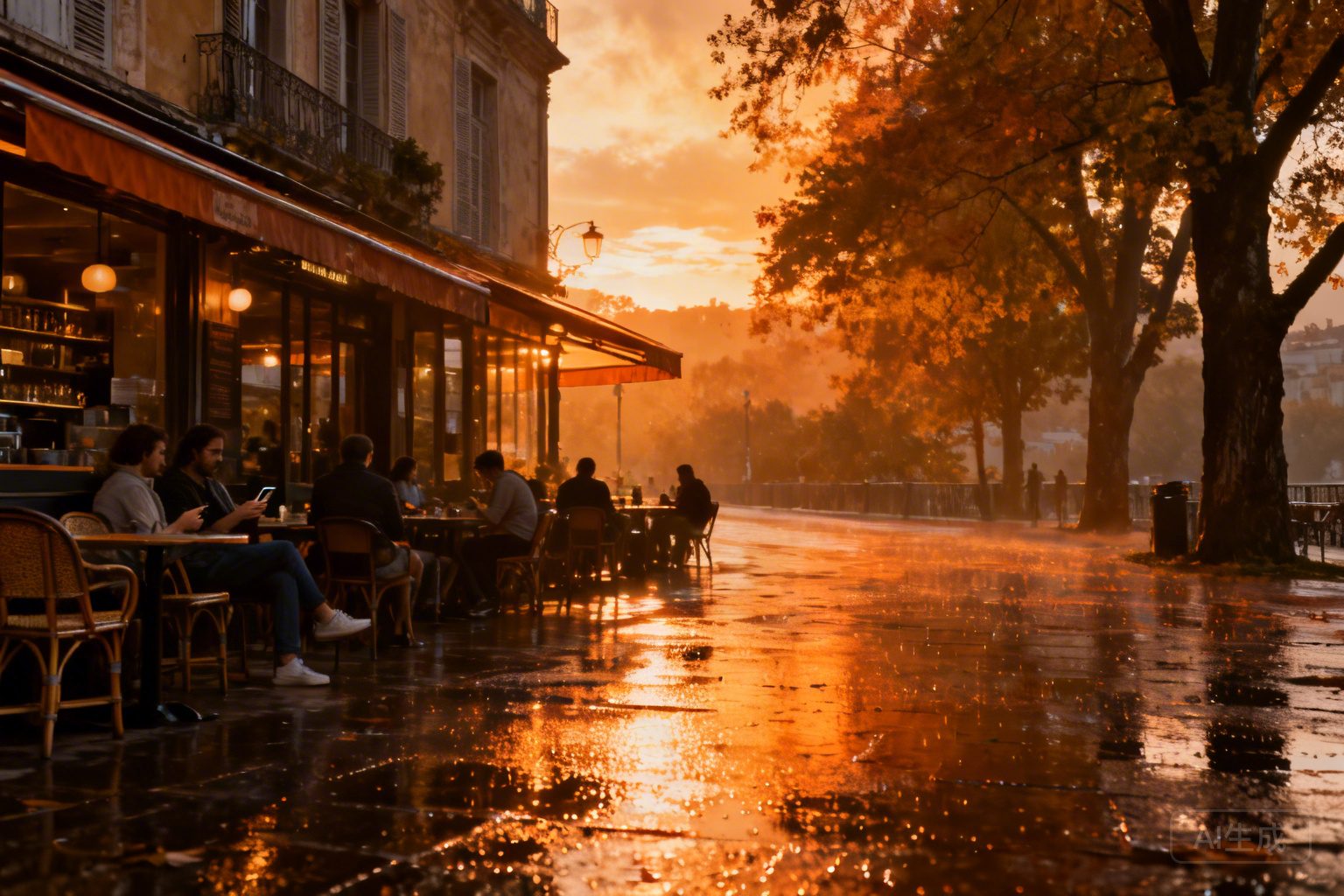
My shoes crunched on fallen sycamore leaves, a sound like parched parchment. The city is a grid of shadows, a deliberate labyrinth of plane trees and acacias designed to shield the skin from a sun that feels personal, almost vengeful. At the corner of Avenida Arístides Villanueva, I stopped to watch a waiter—let’s call him Hector—who moved with the weary elegance of a matador in the late stages of a career. He wore a white shirt yellowed at the cuffs by years of spilled Torrontés, and he balanced a zinc tray with the nonchalance of a man who has seen empires fall but still worries about the froth on a cortado. He didn’t look at the tourists. He looked through them, toward the mountains, his eyes reflecting the permanent violet haze of the horizon.
1. The Ritual of Park General San Martín
If Mendoza has a soul, it is contained within the 420 hectares of Park General San Martín. You enter through the Great Gates, five tons of wrought iron crowned with a golden condor, forged in Glasgow and shipped across an ocean to guard a forest that shouldn’t exist. The scent here is a heavy, intoxicating mix of damp earth and eucalyptus oil. I watched a frantic office worker, his tie loosened like a noose, sprinting toward a bus stop while simultaneously trying to peel a tangerine. He was a stark contrast to the silent monks of the landscape: the materos. These are the locals who sit on stone benches for hours, cradling their gourds, the silver bombilla clicking against their teeth as they stare at the ripples in the artificial lake.
The climb to the Cerro de la Gloria is a pilgrimage of lactic acid and dust. At the summit, the Monument to the Army of the Andes looms—a bronze explosion of horses, muskets, and desperate men. The bronze is oxidized to a ghostly sea-foam green. You can feel the weight of San Martín’s crossing here; it is a place that celebrates the impossible. The wind at the summit has a specific pitch, a low-frequency hum that vibrates in your molars, carrying the scent of dry stone and cold altitude.