Beyond the City Lights: 5 Epic Day Trips from Havana You Didn’t Know Existed!
The Humidity of Departure
Havana is a master of the slow reveal, a city that breathes with a heavy, salt-crusted lung. To wake up in a room on Calle Obispo is to participate in a sensory assault before the first coffee hits the tongue. I watched from a wrought-iron balcony as a man in a grease-stained undershirt hauled a crate of pineapples across a cobblestone street, his muscles roping like frayed hemp. The air wasn’t just air; it was a physical weight, scented with the metallic tang of 1950s exhaust fumes and the sweetness of overripe papaya. Most travelers never leave this theater of beautiful decay. They stay tethered to the Malecón, trapped in the loop of daiquiris and the Buena Vista Social Club soundtrack. But the true soul of Cuba—the unvarnished, electric, and silent soul—waits beyond the reach of the city’s yellow streetlamps.
The car was a 1954 Chevrolet Bel Air, painted a shade of blue that would make a kingfisher weep. My driver, Lazaro, possessed a face like a crumpled map of the Matanzas province. He didn’t speak; he merely gestured toward the horizon with a hand that lacked half a thumb, a casualty, he later claimed, of a particularly stubborn sugar cane harvester in 1982. We broke the gravitational pull of the city, the crumbling Neoclassical facades giving way to the sprawling, chaotic greenery of the Cuban interior.
1. Las Terrazas: The Emerald Dream of the Sierra del Rosario
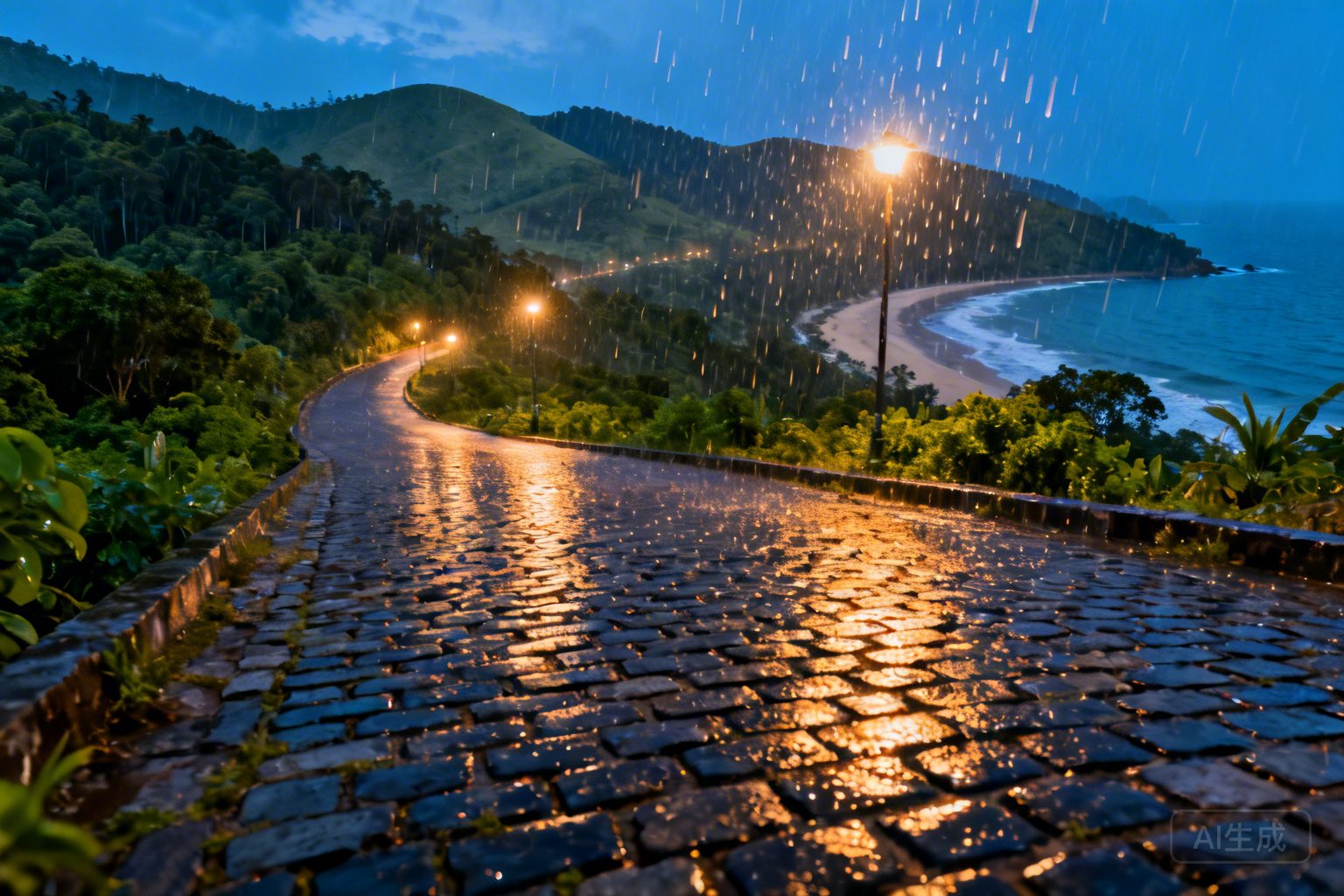
Forty-five minutes west of the city’s cacophony, the atmosphere shifts. The heat becomes less aggressive, tempered by the shade of six million trees planted during a massive reforestation project in the late sixties. Las Terrazas is not merely a village; it is a biosphere reserve that feels like a fever dream of a socialist utopia. The architecture here follows the contours of the hills, whitewashed walls hugging the earth as if they grew there.
I met a woman named Elena near the ruins of the Cafetal Buenavista, a 19th-century coffee plantation. She was a silent sentinel of history, her skin the color of well-oiled mahogany, wearing a straw hat that had seen better decades. She pointed toward the rusted drying floors where enslaved people once raked coffee beans under a punishing sun. “The earth remembers,” she whispered, her voice a dry rustle of leaves. The contrast was staggering—the brutal history of colonial extraction juxtaposed against the serene, cool waters of the San Juan River. I spent an hour submerged in those natural pools, the water a translucent jade. Above me, the Tocororo, Cuba’s national bird, flaunted its red, white, and blue plumage with a haughty indifference to the politics of the world below.