Beyond the City Lights: 5 Epic Day Trips from Manaus You Didn’t Know Existed!
The Humidity of History: Awakening in the Rubber Capital
The air in Manaus does not move; it leans. It is a heavy, sodden velvet that clings to the collar of your linen shirt before you have even cleared the threshold of the Hotel Juma Ópera. At 6:15 AM, the sky is the color of a bruised plum, a deep, humid purple that smells of damp earth and diesel exhaust. To understand Manaus, one must first understand the vanity of its past. I stand on the balcony, watching the dome of the Teatro Amazonas catch the first, jagged shards of sunlight. The tiles—36,000 of them, imported from Alsace—shimmer like the scales of a prehistoric fish. It is a monument to a time when rubber barons sent their laundry to Paris to be washed because the Amazonian water was deemed too silty for their silk waistcoats.
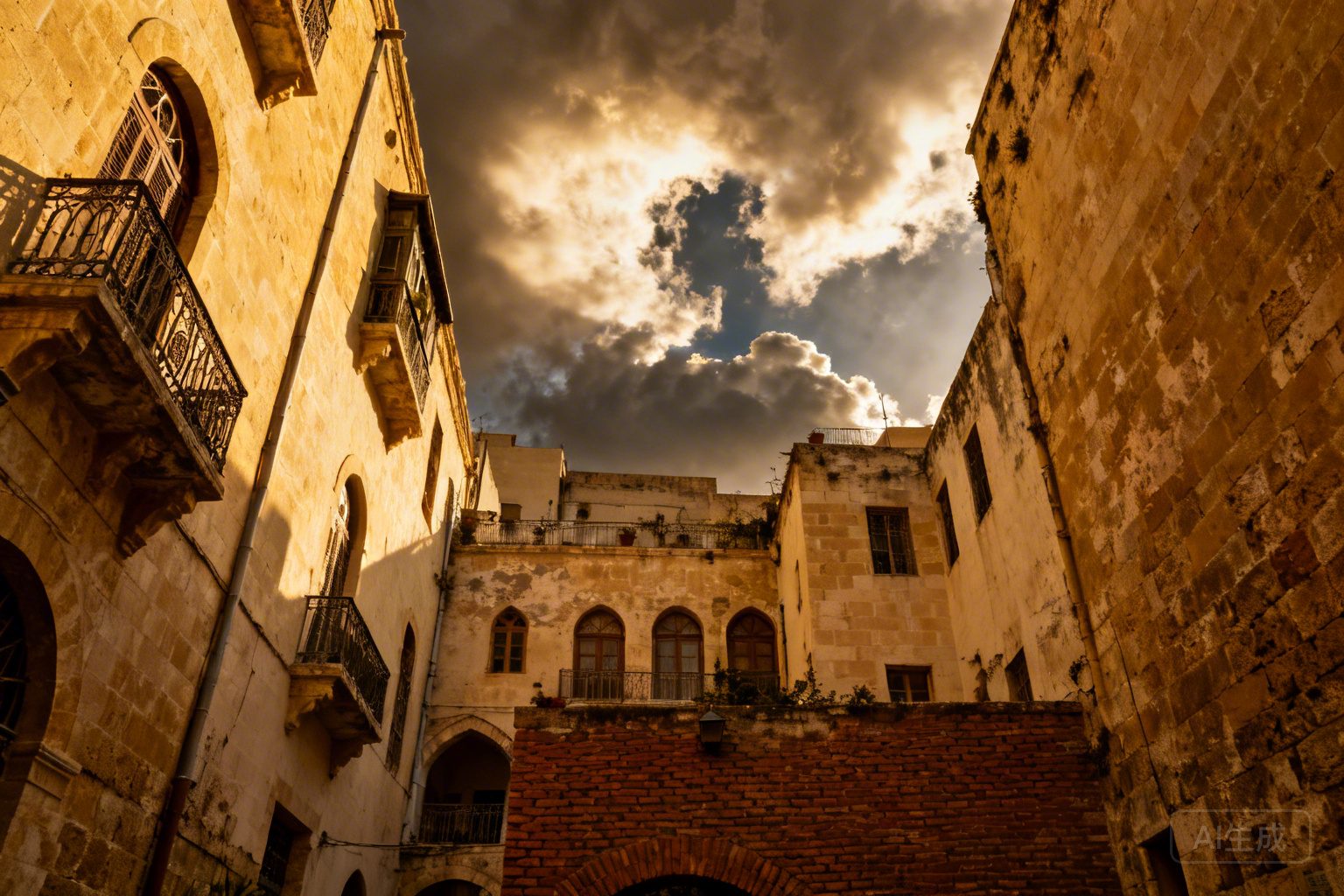
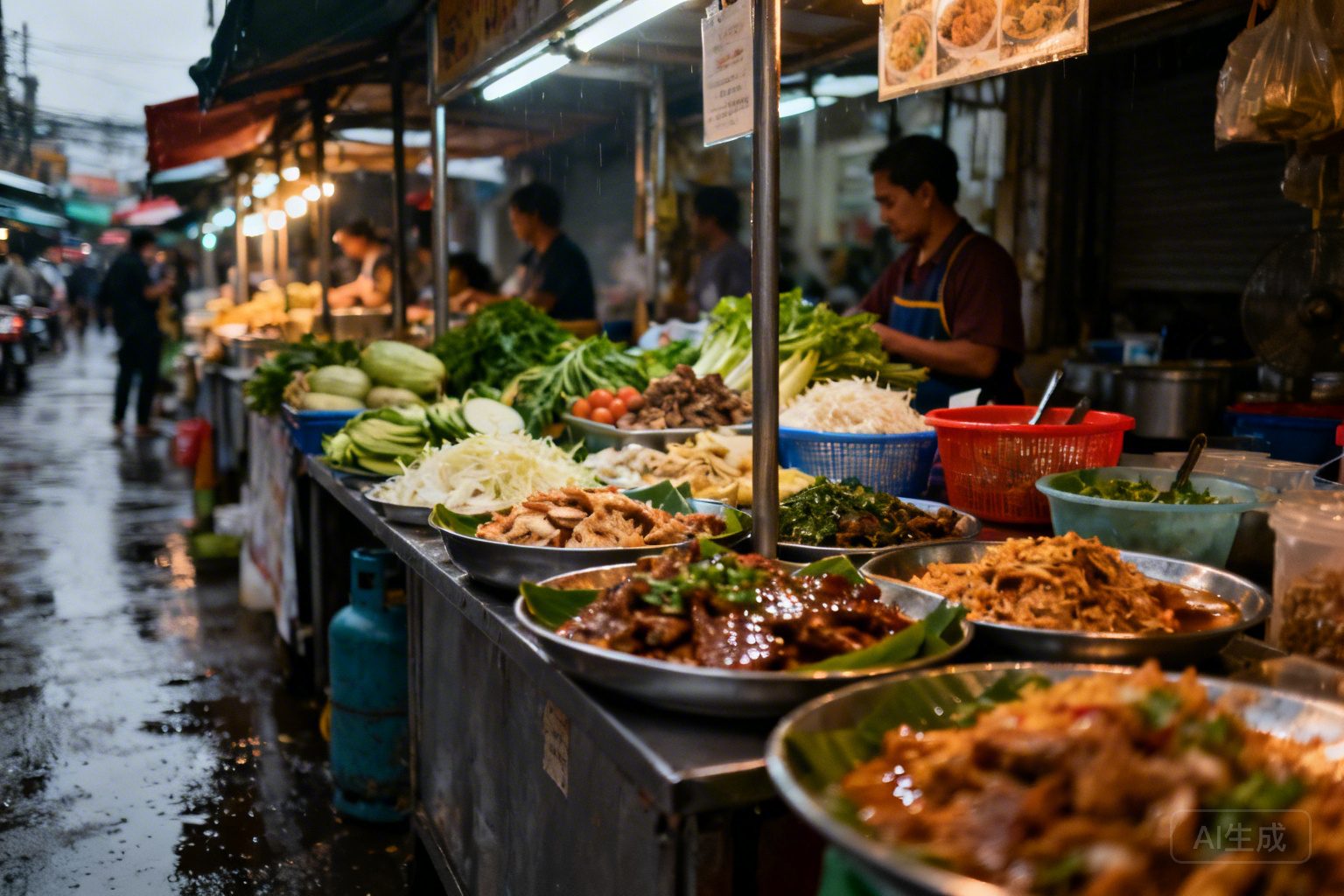
Down on the street, the city is already vibrating with a jagged, rhythmic urgency. A frantic office worker, his tie loosened and a dark bloom of sweat already spreading across his shoulder blades, dodges a puddle of stagnant water with the grace of a gazelle. Nearby, a street vendor with skin the texture of a sun-dried prune screams the virtues of tapioca com tucumã. His voice is a sandpaper rasp, a staccato “Olha o café! Olha o café!” that pierces the low hum of the ceiling fans. The paint on the colonial facades is peeling in long, jagged curls, revealing layers of pistachio green and ochre underneath—sediment of a grandeur that the jungle is slowly, patiently reclaimed.
Most travelers treat Manaus as a mere lobby, a place to wait for their jungle lodge transfer. They are wrong. Manaus is the heart of a centrifugal force. If you push past the city limits, past the chaotic sprawl of the industrial zones where the air tastes of burnt rubber and frying fish, you find the fractures in the map. These are the detours that the guidebooks mention in passing, if at all. To find the real Amazon, you must go where the pavement ends and the river begins its long, slow interrogation of the soul.
1. The Floating Necropolis: Janauari and the Ghosts of the Water
We depart from the Porto de Manaus, a chaotic tangle of rusted hulls and blue-tarped hammocks. The water here is the color of strong English tea—the Rio Negro, acidic and dark. Our boatman, a man named Tito whose hands are as gnarled as driftwood, stares at the horizon with eyes that have seen too many floods. He speaks in a low murmur, a Portuguese so thick with regionalisms it sounds like the river itself. We are heading toward the Janauari Ecological Park, but not the tourist path. We are looking for the submerged houses.