Beyond the City Lights: 5 Epic Day Trips from Manila You Didn’t Know Existed!
The Concrete Fever and the Great Escape
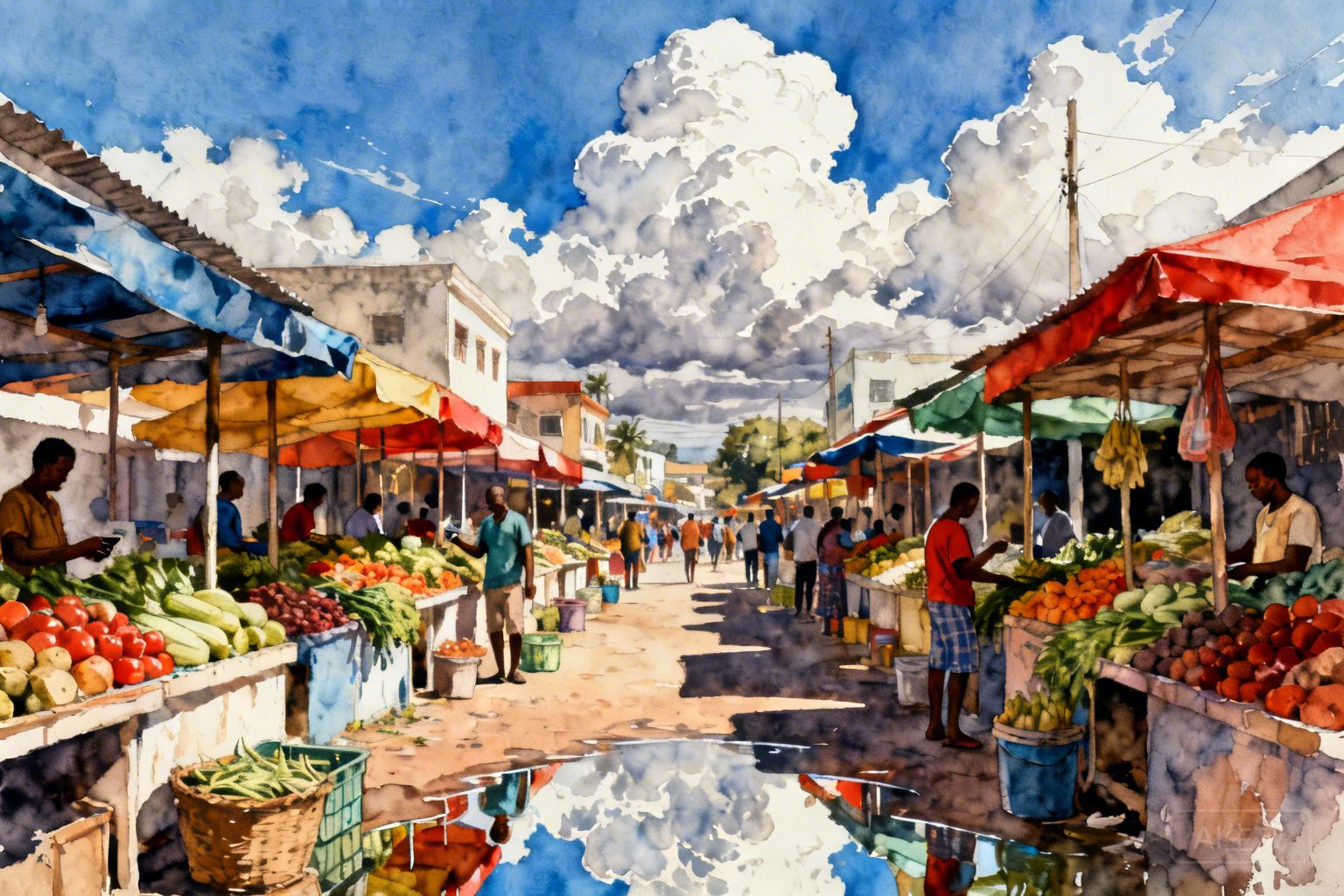
Manila is a beautiful, suffocating violence. To live here is to exist in a permanent state of sensory overload, a relentless staccato of jeepney horns, the smell of burnt diesel mixed with over-ripe mangoes, and the humidity that clings to your skin like a damp wool blanket. At 5:00 AM, the city is a charcoal sketch, the skyscrapers of Makati mere shadows against a bruised purple sky. You see them then—the frantic office workers, their barong tagalogs already beginning to wilt, clutching oversized thermoses of 3-in-1 coffee as they wait for buses that arrive with the punctuality of a fever dream.
The city lights, once icons of ambition, begin to feel like the bars of a gilded cage. We are all searching for the exit. We are all looking for the place where the static of the radio dies out and the air stops tasting like copper. Most tourists head for the predictable sanitized strips of Tagaytay or the crowded malls of Clark, but there are fissures in the map—places where the clock hands slow and the soil remembers its own name. These are the five departures that will ruin your city life forever.
1. The Sun-Drenched Silence of the San Guillermo Sulipan
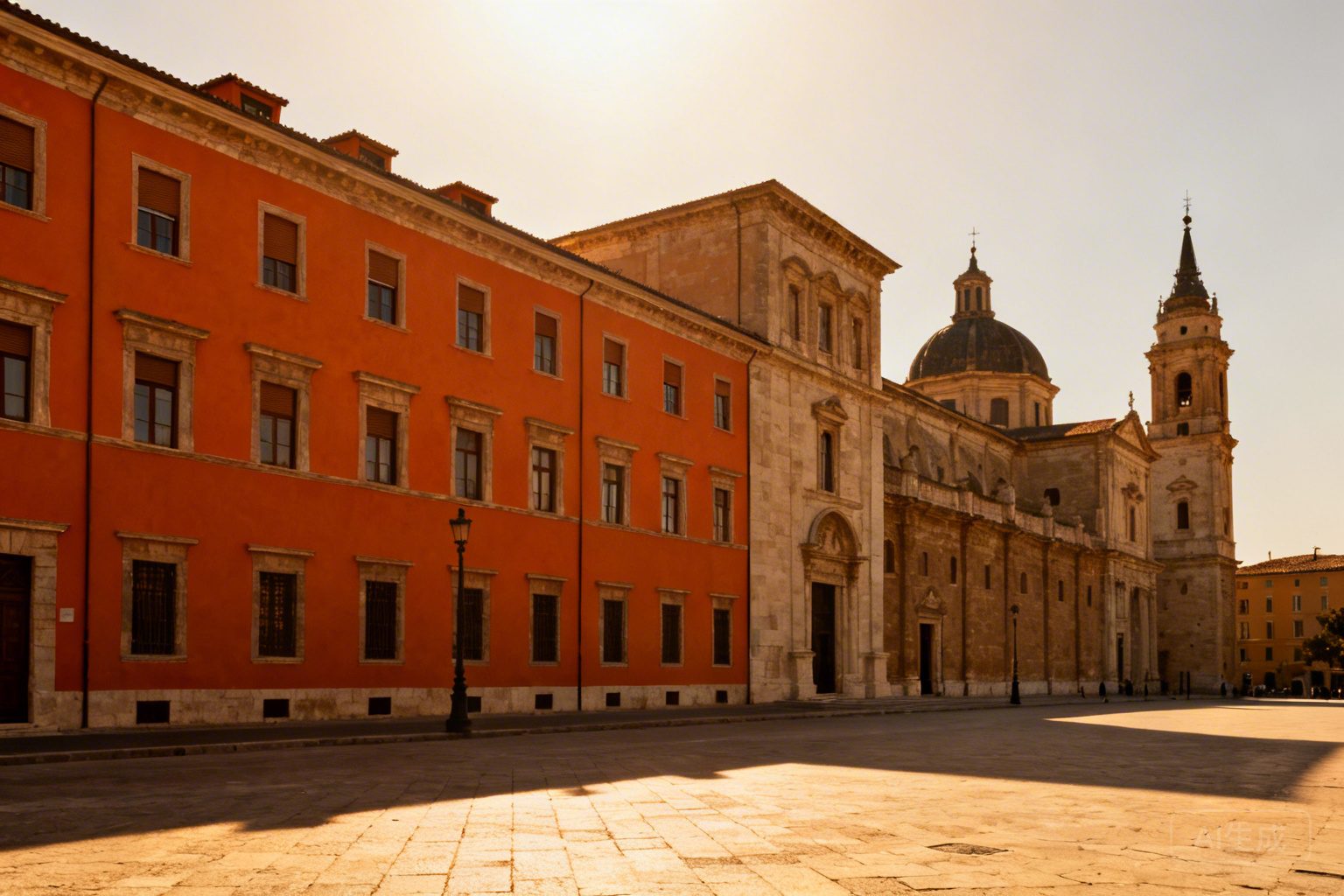
Driving north toward Pampanga is an exercise in patience until you hit the arterial veins of the old sugar towns. Here, in a corner of Bacolor, the Earth decided to swallow human ambition whole. The San Guillermo Parish Church isn’t just a building; it is a half-buried ghost. When Mount Pinatubo erupted in 1991, the lahar—a viscous, gray slurry of volcanic ash and water—transformed this baroque masterpiece into a subterranean sanctuary. Today, you enter through what used to be the choir loft windows.
The paint on the wooden doors isn’t just peeling; it is curling like dried tobacco leaves, revealing layers of 18th-century pigment beneath. The air inside is ten degrees cooler than the street, smelling faintly of damp limestone and extinguished wax. I watched a silent monk—or perhaps just a very contemplative caretaker—polishing a silver monstrance with a rag so threadbare it was practically lace. He didn’t look up. His movements were rhythmic, a slow-motion dance against the backdrop of an altar that is now five meters underground.