Beyond the City Lights: 5 Epic Day Trips from Muscat You Didn’t Know Existed!
The Amber Hour in the House of Peace
Muscat does not wake; it exhales. As the first bruising purples of dawn bleed into the Hajar Mountains, the city emerges from its limestone slumber with a grace that feels almost liturgical. Here, the air is thick with the scent of frankincense—not the synthetic perfume of a hotel lobby, but a heavy, ancient resin that sticks to the back of your throat, tasting of scorched earth and forgotten cathedrals. The city is a study in white, a low-slung labyrinth of marble and sand-washed walls where the Sultan’s decree against skyscrapers has preserved a skyline of minarets and jagged peaks.
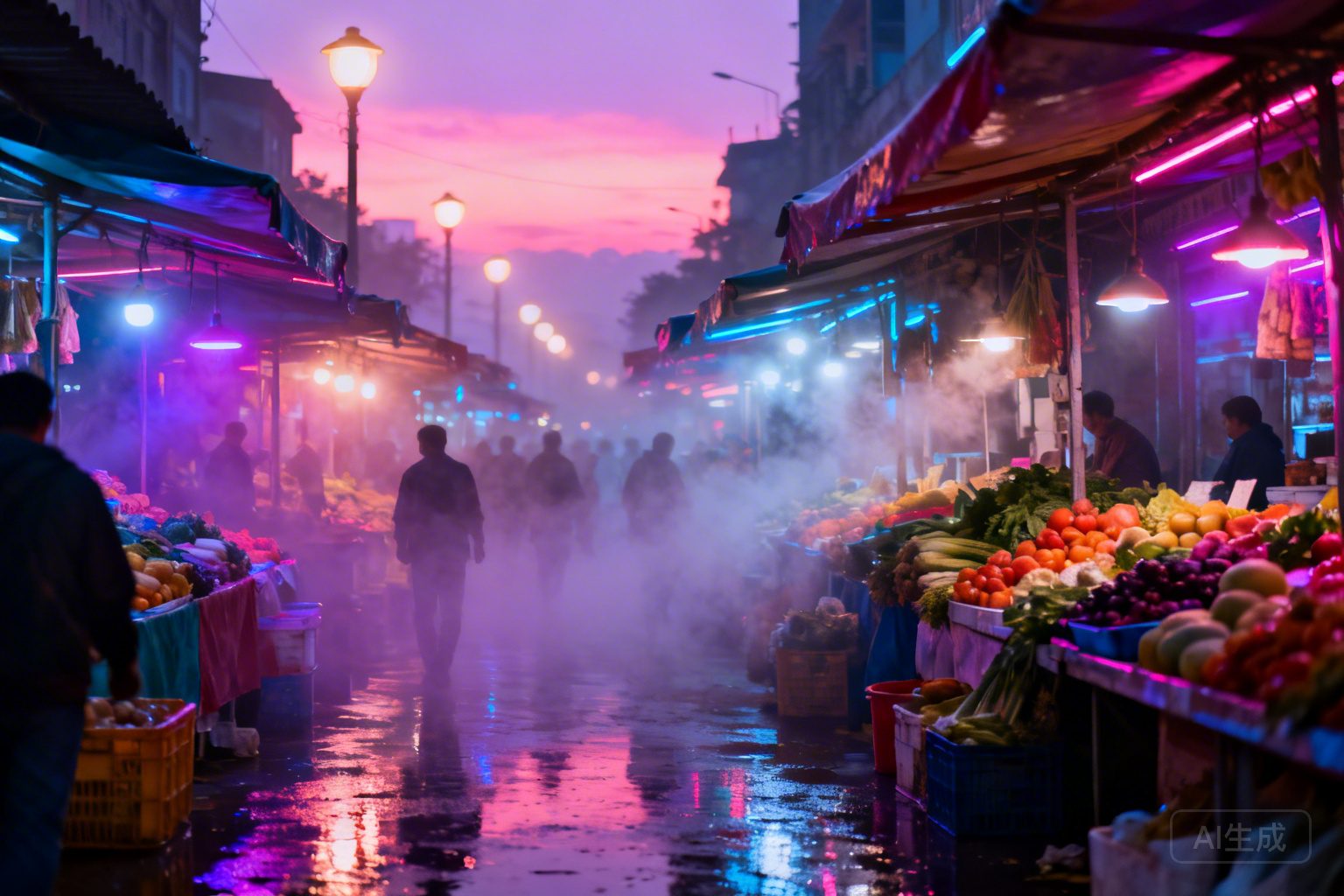
In the Muttrah Souq, the morning is a theater of the mundane and the miraculous. I watch an elderly Omani man—his dishdasha a crisp, architectural white that defies the humidity—negotiate the price of a silver khanjar. His fingers, gnarled like the roots of an ancient olive tree, trace the filigree with a reverence that suggests the dagger is less a weapon and more a heartbeat. Nearby, a group of Indian expatriate workers, their faces etched with the fatigue of the early shift, huddle over steaming cups of karak tea. The tea is a violent orange, saturated with cardamom and sugar, served in paper cups that burn the palms.
The city is a cocoon. But the true soul of Oman lies beyond the manicured roundabouts and the hushed corridors of the Royal Opera House. To understand this land, one must leave the safety of the streetlights and drive until the asphalt surrenders to the gravel, until the GPS loses its grip on reality, and the mountains begin to swallow the sky.
I. The Emerald Throat of Wadi Shab
To leave Muscat for the south is to enter a landscape that feels prehistoric. The road hugs the coast, a thin ribbon of black velvet pinned between the turquoise sprawl of the Gulf of Oman and the scorched, crumbling cliffs of the Hajar. We arrive at Wadi Shab just as the sun begins to bite.