Beyond the City Lights: 5 Epic Day Trips from Seattle You Didn’t Know Existed!
The Emerald Threshold: A Prologue in Rain
Seattle is a city built on the audacity of logs and the stubbornness of hills. In the early morning, before the tech-titans descend into their glass-walled hives in South Lake Union, the city feels like an unwashed chalkboard. The gray is not merely a color; it is a texture. It is a damp wool blanket draped over the Space Needle, a mist that tastes faintly of salt and diesel. I stood on the corner of 4th and Pike, watching a frantic office worker in a Gore-Tex suit scramble to catch the light, his polished leather shoes splashing through a puddle that held the iridescent shimmer of leaked motor oil. To his left, a man sat on a crate, his face a roadmap of cracked leather and sun-bleached whiskers, silently mending a fishing net with fingers that moved like spiders. He didn’t look at the skyscrapers. He looked at the water.
Most visitors think the story of Washington ends where the pavement meets the Puget Sound. They are mistaken. The true Pacific Northwest is not a collection of coffee shops and software campuses; it is a wild, prehistoric frontier that begins exactly where the city lights start to flicker and fade. To leave Seattle is not to escape it, but to understand what it is trying so desperately to keep at bay. The forest here doesn’t just grow; it looms. The mountains don’t just sit; they threaten. I packed a bag with nothing but a notebook and a heavy coat, the smell of damp cedar already haunting my senses, and turned the radiator of my car toward the unknown.
I. The Iron Ghost of the Skykomish: Index and the Town of Granite
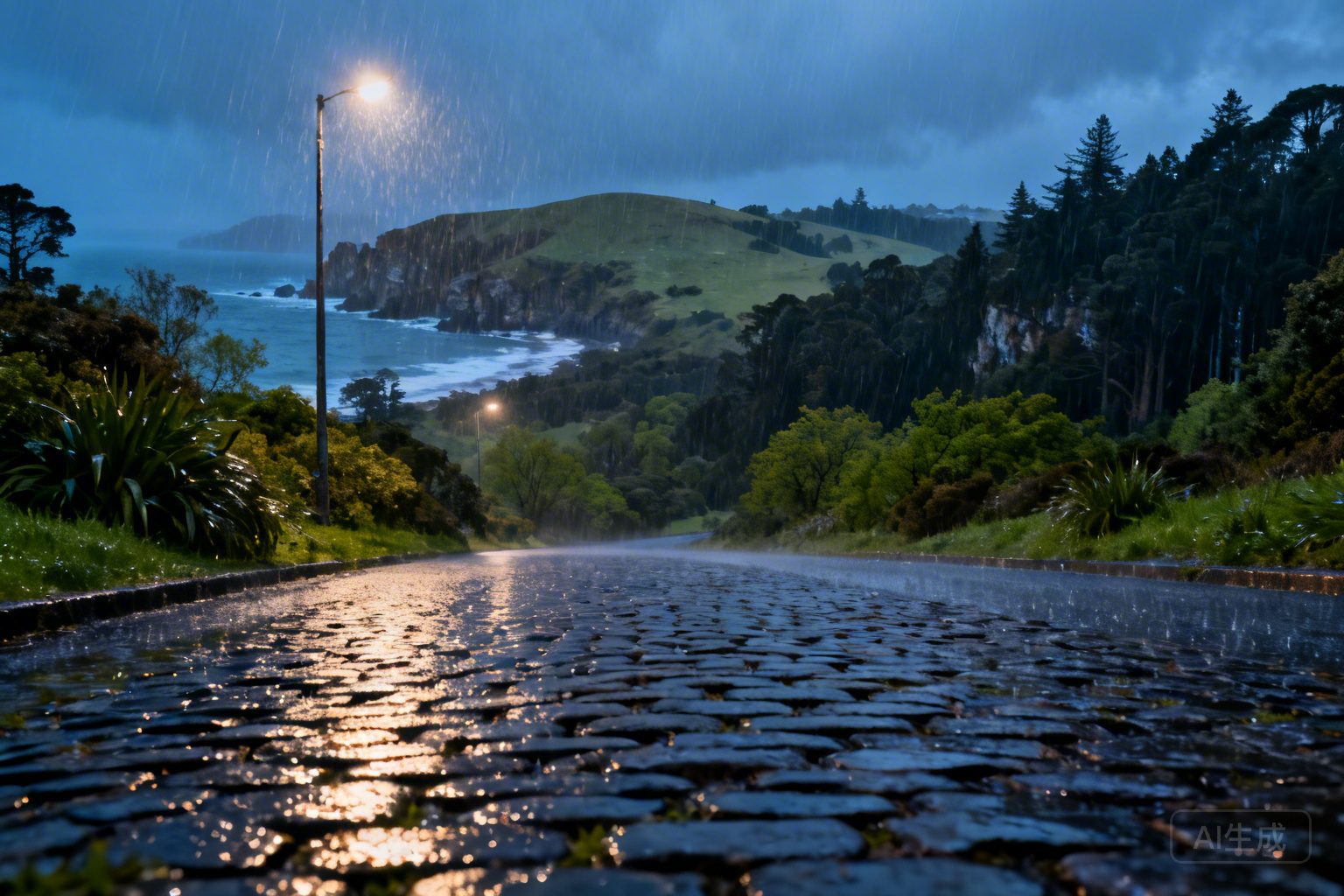
Drive east on Highway 2, and the world begins to sharpen. The soft curves of the suburbs give way to the jagged teeth of the Cascades. My first stop was Index—a town that feels less like a destination and more like a secret kept by the trees. It sits beneath the sheer, terrifying verticality of Mount Index, a wall of gray stone that seems to vibrate with a low, tectonic hum. The air here was ten degrees cooler, smelling of crushed pine needles and the glacial breath of the Skykomish River.
I walked past a 100-year-old door at the local general store, its paint peeling in long, curled strips like the bark of a birch tree. Inside, the floorboards groaned under the weight of history. A brusque waiter with a handlebar mustache and eyes the color of flint handed me a mug of coffee that was more mud than bean. He didn’t ask if I wanted cream. He didn’t ask anything at all. He just nodded toward the river, where the water churned over moss-slicked boulders with a roar that drowned out the very concept of the 21st century.