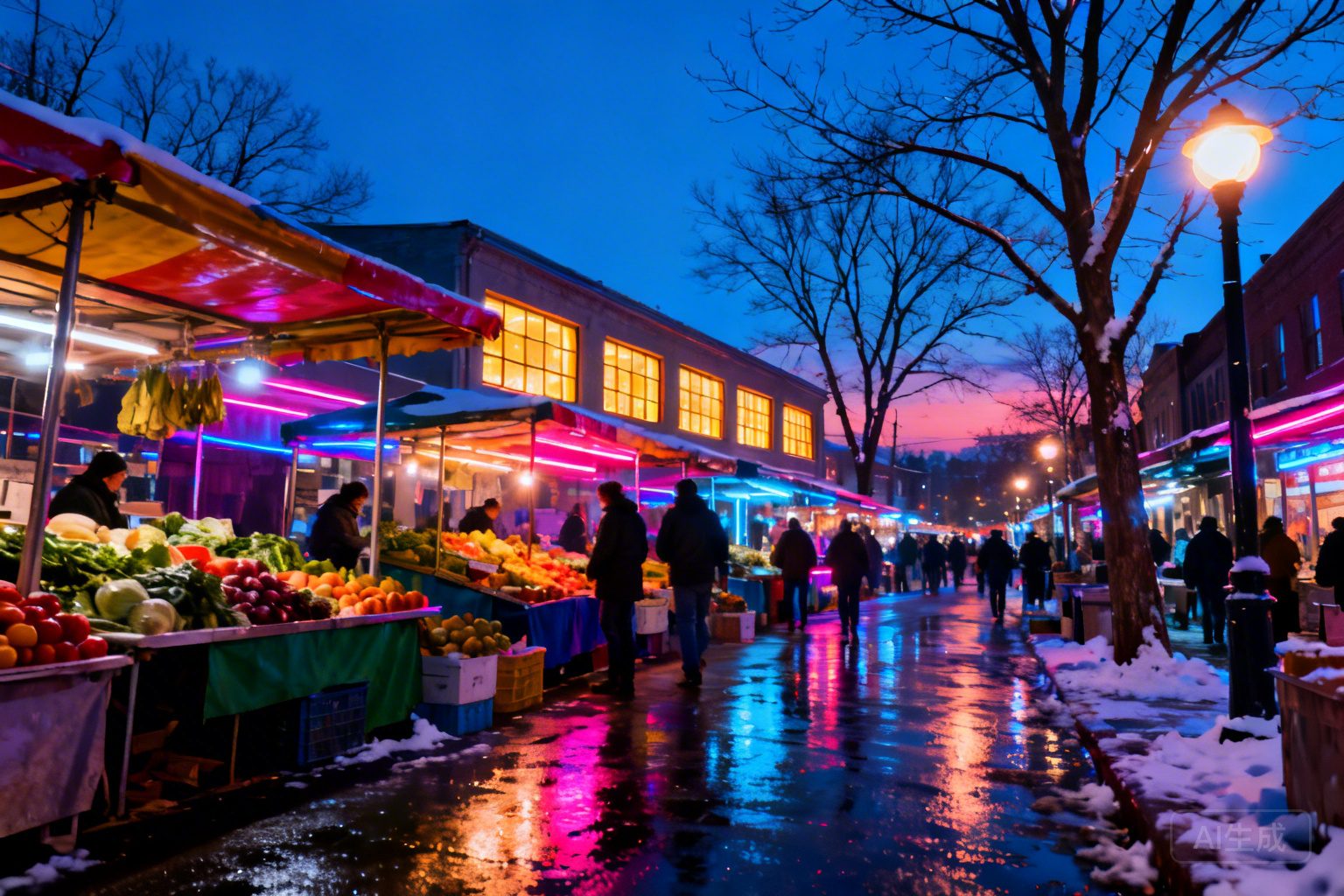
Bogotá on a Shoestring: 15 Incredible Things to Do for Under $20!
The Calculus of the Cobblestones
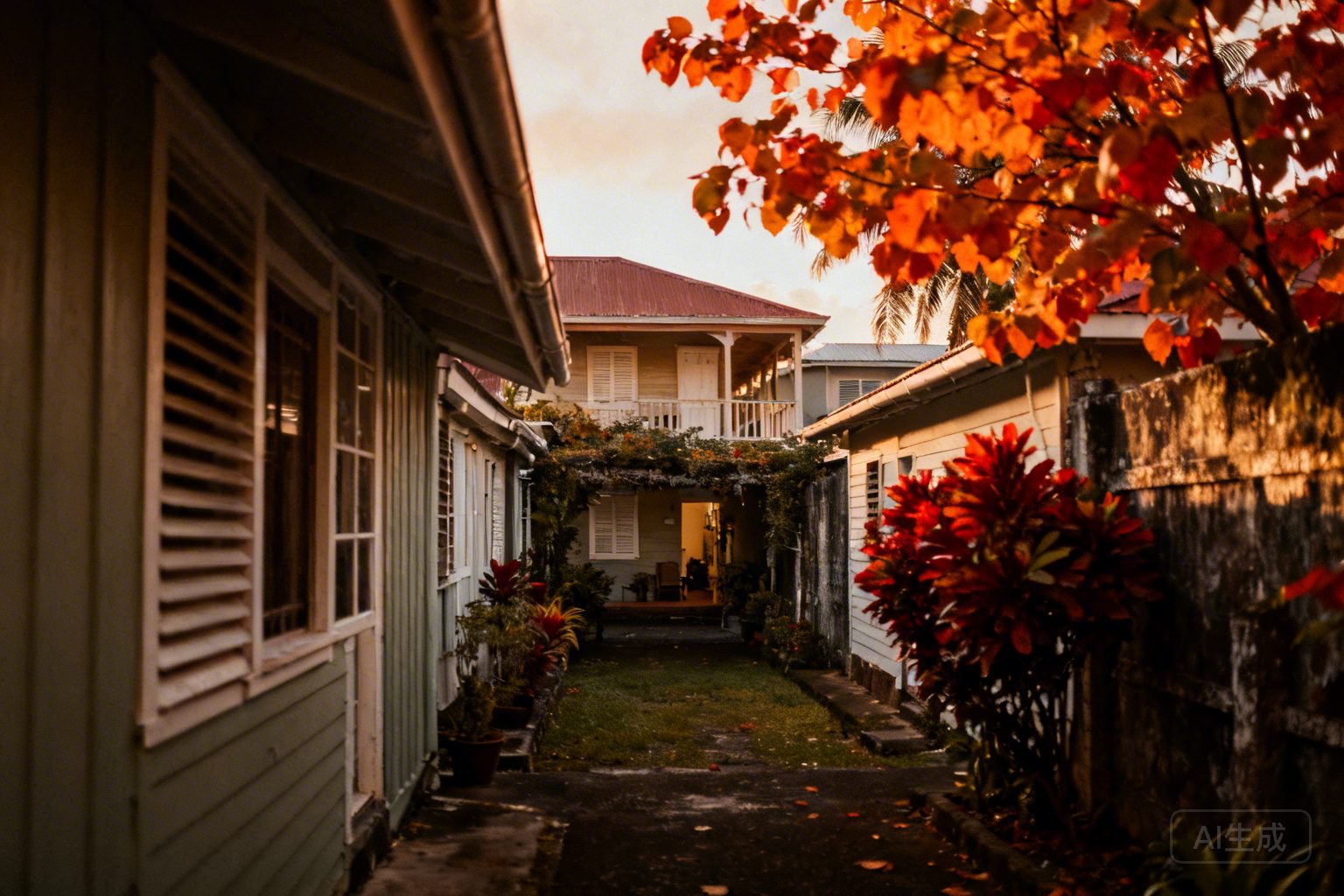
Bogotá does not invite you in; it hums at a frequency that suggests you are already late for an appointment you never made. It is a city of high-altitude oxygen deprivation and bruised purple clouds that hang so low over the Andes they seem to snag on the TV antennas of the Monserrate sanctuary. At 2,640 meters above the level of the sea, the air is thin enough to make your heartbeat feel like a frantic bird trapped in a cage of ribs. Most travelers arrive with the expectation of a gritty metropolis, a sprawl of red brick and diesel exhaust, but they miss the secret clockwork of the place. They miss the way the light hits the cracked ceramic tiles of an alleyway in La Candelaria at exactly 4:15 PM, turning the peeling ochre paint of a colonial facade into something resembling a molten sunset.
The challenge was simple, or so I told myself as I clutched a fistful of crumpled 10,000-peso notes: to navigate this labyrinth of nine million souls on a budget that wouldn’t cover a single appetizer in Manhattan. Twenty dollars—roughly 80,000 Colombian pesos—is a king’s ransom if you know which shadows to step into. It is a pittance if you insist on the sanitized versions of the world. I chose the shadows.
I. The Scent of Rust and Rain: La Candelaria
My journey began in the historical heart, where the streets are so steep they feel like they were designed for goats rather than humans. (1) A walking tour of La Candelaria costs nothing but the sweat of your brow and a tip that fits comfortably within our budget. I stood near the Chorro de Quevedo, the supposed founding site of the city, where the wind whipped around the corner of a 300-year-old chapel with the clinical chill of a surgical blade. The paint on the doors here isn’t just old; it is geological, layers of turquoise and oxblood red flaking away to reveal the raw, silvered wood beneath.
The street vendors here have a specific pitch—a rhythmic, nasal chant of “¡A la orden, a la orden!” that cuts through the fog. I watched a man with hands the color of walnut shells peel a mango with a rusted pocketknife, the fruit’s scent clashing violently with the smell of damp concrete and ancient dust. For less than $1, I secured (2) a cup of Chicha, the fermented corn drink once banned by the Spanish for being “too intoxicating for the indigenous soul.” It tasted of earth, yeast, and the stubbornness of history. It warmed the throat like a slow-burning ember.