Boracay’s Best Restaurants: 10 Culinary Hotspots You Simply Can’t Miss!
The Salt-Crusted Palate: A Gastronomic Pilgrimage Across Boracay’s Shifting Sands
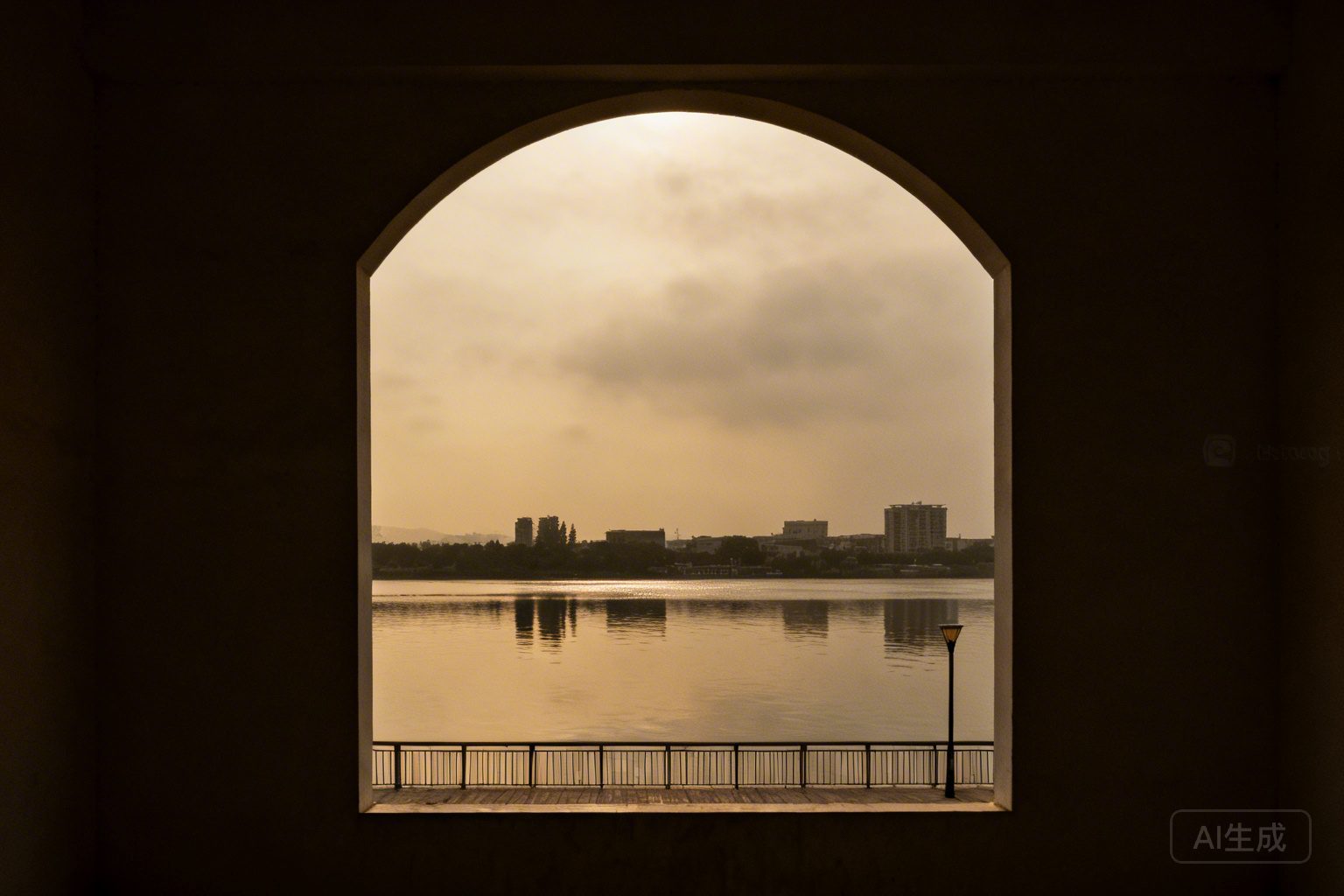
The wind in Boracay does not merely blow; it breathes. At the northern tip of Station 1, where the sand is so fine it mimics the consistency of powdered sugar left too long in a humid larder, the breeze carries the scent of brine, scorched coconut husks, and the metallic tang of an approaching monsoon. It is a sensory overload that defies the glossy brochures. Here, the light has a specific, amber quality—a cinematic filter that softens the edges of the limestone cliffs and turns the turquoise water into a sheet of hammered glass. To eat here is to participate in a ritual as old as the Visayan tides, a dance between the bounty of the Sulu Sea and a globalized palate that has transformed this bone-shaped sliver of land into a culinary crucible.
I find myself sitting on a driftwood stool, watching a man in a tattered “I Heart Boracay” shirt meticulously peel a green mango with a rusted pocketknife. His hands are maps of scars and sunspots, moving with a rhythmic precision that mocks the frantic ticking of my own watch. This is the island’s secret tempo: slow, deliberate, and entirely indifferent to your dinner reservations. But the reservations must be kept. Because beyond the fire dancers and the generic buffet tables lies a geography of flavor that demands a sophisticated cartography.
1. Sunny Side Café: The Architecture of Breakfast
We begin where all good stories should—at the edge of the morning. The Sunny Side Café is a splash of yolk-yellow optimism against the blinding white of the beach. The air here is thick with the scent of sourdough fermentation and the hissing steam of a La Marzocco machine. It is a place of pilgrimage for the “Digital Nomad,” that specific breed of traveler with a MacBook Pro, a linen shirt damp with humidity, and an expression of perpetual, caffeinated urgency.
I order the Chorizo Eggs Benedict. The chorizo is local—longganisa from nearby Kalibo—crumbled and pan-fried until the edges are caramelized into sweet, spicy shards. When the poached egg is pierced, the yolk doesn’t just run; it oozes, a rich, volcanic gold that binds the sourdough to the earth. The hollandaise is spiked with calamansi, providing a sharp, citrusy whip that cuts through the fat. It is a masterclass in balance. As I eat, I watch a brusque waiter—a man named Efren with a silver tooth and a way of carrying four plates at once that borders on the miraculous—navigate the tight aisles with the grace of a matador. He doesn’t look at the customers; he anticipates them.