Budget vs. Luxury: How to Master Arequipa on Any Checkbook!
The Alabaster Labyrinth: A Tale of Two Arequipas
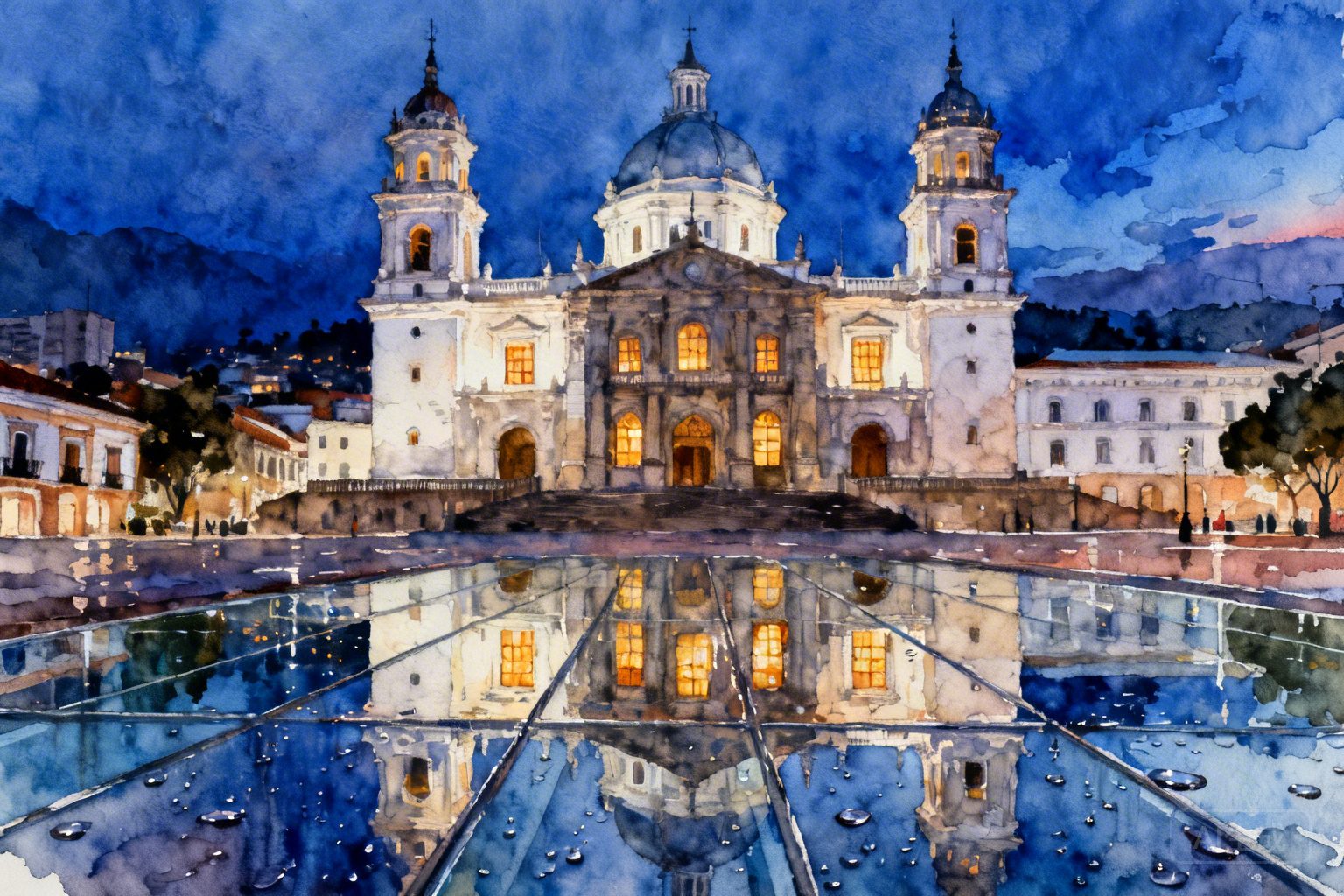
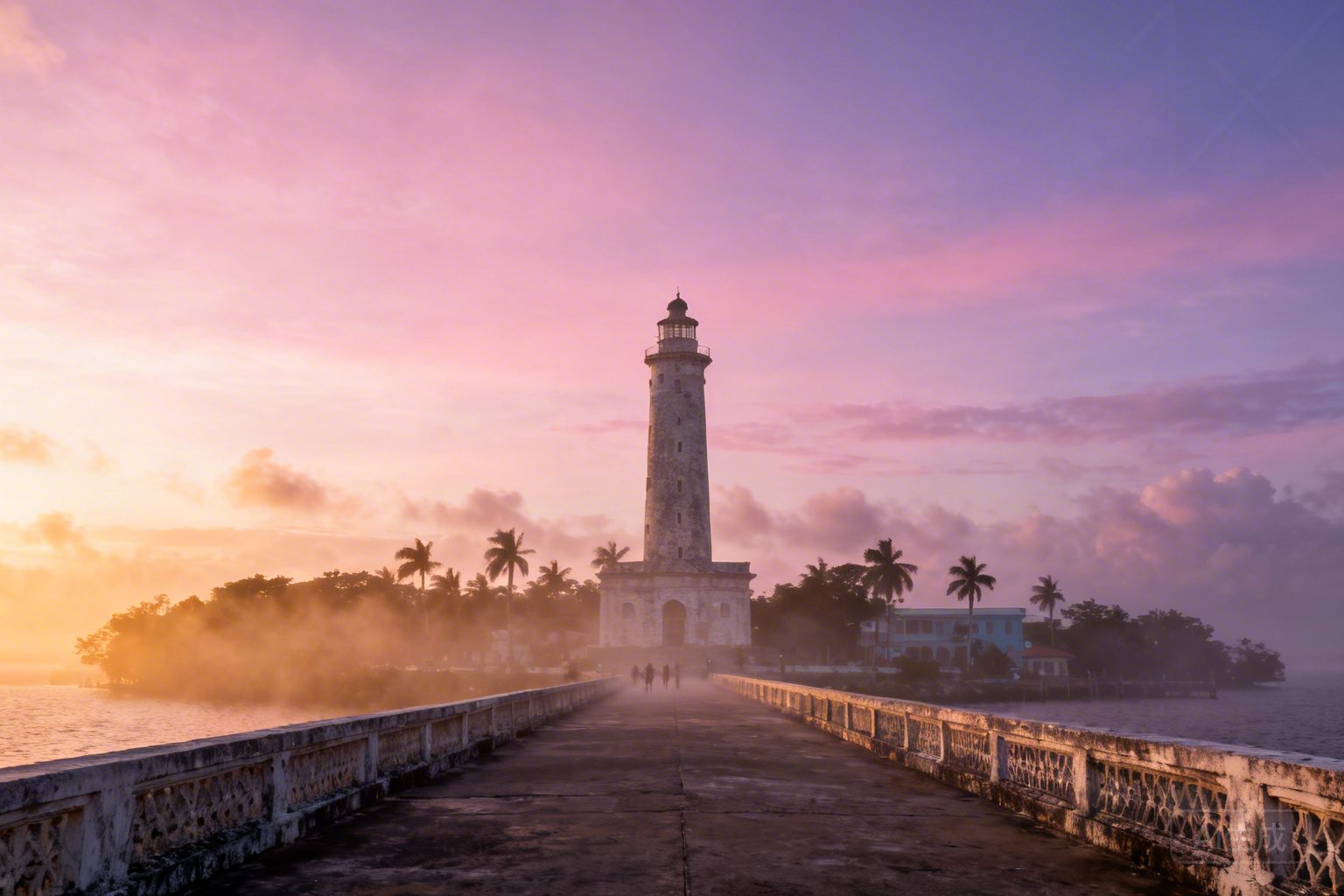
The light in Arequipa does not merely illuminate; it interrogates. At 2,335 meters above the bruising blue of the Pacific, the sun strikes the sillar—the pearlescent volcanic rock from which the city is carved—and shatters into a thousand blinding needles. It is a dry, thin heat that smells of toasted cumin and diesel exhaust, a scent that clings to the back of the throat like a memory you can’t quite place. I stood at the corner of Calle Santa Catalina, watching a frantic office worker in a sweat-stained synthetic suit sprint toward the Plaza de Armas, his leather briefcase slapping rhythmically against his thigh. He was a blur of frantic utility against the stillness of the stone. Behind him, leaning against a wall of pockmarked volcanic tuff, an old woman sold queso helado from a wooden churn, her hands gnarled like the roots of the olive trees in the nearby Yanahuara district.
This is the “White City,” a colonial fortress guarded by a trinity of volcanoes—Misti, Chachani, and Pichu Pichu—whose snow-capped peaks loom over the skyline like silent, judgmental gods. But beneath the uniform whiteness lies a city of profound economic schizophrenia. Arequipa is a place where you can spend fifty cents on a bowl of broth that tastes like home, or five hundred dollars on a suite that feels like a cathedral. To master it is to understand that the soul of the city doesn’t reside in one or the other, but in the friction between the two.
The Architecture of Silence: The Luxury of Santa Catalina
To enter the Monasterio de Santa Catalina is to step out of the 21st century and into a claustrophobic, vibrant dream. It is a city within a city, a four-hundred-year-old labyrinth where the daughters of wealthy Spanish families were once entombed in a life of prayer and, occasionally, clandestine luxury. The walls here are not white; they are painted in “Arequipa Red” and a deep, bruised cobalt that seems to absorb the sunlight rather than reflect it.
I watched a silent monk—or perhaps just a groundskeeper dressed in charcoal wool—move through the Patio del Silencio. He didn’t walk so much as glide, his shadow stretching long and thin across the terracotta tiles. The air inside the convent is ten degrees cooler than the street outside, smelling of damp earth and daphne. The luxury here isn’t found in gold leaf, though there is plenty of that in the chapel, but in the sheer abundance of space and quiet. In a city where the traffic is a cacophony of screeching brakes and reggaeton blasting from taxi windows, the silence of the cloister is the ultimate extravagance.