Budget vs. Luxury: How to Master Florence on Any Checkbook!
The Dust and the Gold: Making Florence Your Own
I’ve been waking up to the sound of the 7:15 AM trash truck on Via de’ Serragli for four months now. It’s a rhythmic, mechanical clatter that signals the start of the “real” Florence—not the postcard version, but the one where people are dragging crates of artichokes into kitchens and the air smells like wet stone and diesel. After 120 days of drifting through these alleys, I’ve realized that Florence is a city of two faces: the Renaissance museum and the gritty, leather-scented workshop. Most people see the former. If you want to disappear, you need to find the latter.
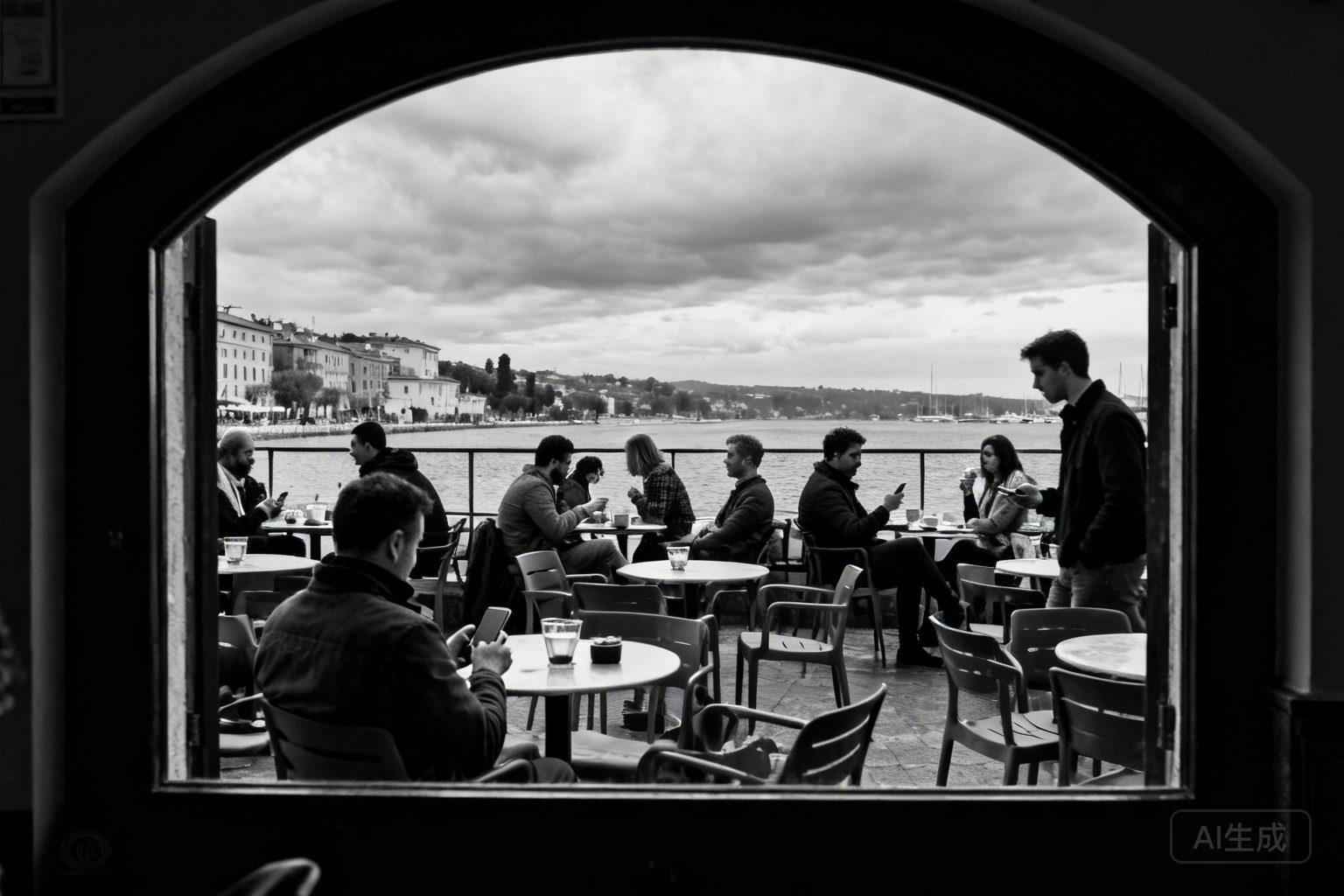
The beauty of this city is that it scales. You can live on panino crumbs and fountain water, or you can drop a month’s rent on a single dinner in a frescoed cellar. But mastering it—truly blending in—means knowing when to spend and when to scavenge. It’s about understanding that a 1-euro espresso at the bar counter is exactly the same coffee that tourists pay 6 euros for because they sat down. In Florence, sitting is a tax. Standing is a lifestyle.
The Unwritten Rules of the Florentine Fabric
Before we talk about neighborhoods, let’s talk about the mechanics of being here. People here are “hard-shelled.” They aren’t rude, but they are weary of the millions of revolving-door tourists. To be treated like a local, you have to act like the city belongs to you, not like you’re visiting it. That starts with the Caffe. Never order a cappuccino after 11:00 AM unless you want to be flagged as a permanent outsider. It’s an unwritten law—milk is for breakfast; after that, it’s strictly espresso or macchiato.
Then there’s the tipping. Don’t do it. At least, don’t do it the American way. If a meal was exceptional, leave two or three euros on the table. If you tip 20%, the waiter will think you’re either a billionaire or confused. As for queueing, it’s a suggestion, not a mandate. If you stand politely back at a bakery, you will never be served. You have to lean in, catch the eye of the nonna behind the counter, and speak your order with authority. “Buongiorno, un pane toscano, grazie.” No “ums,” no hesitation.