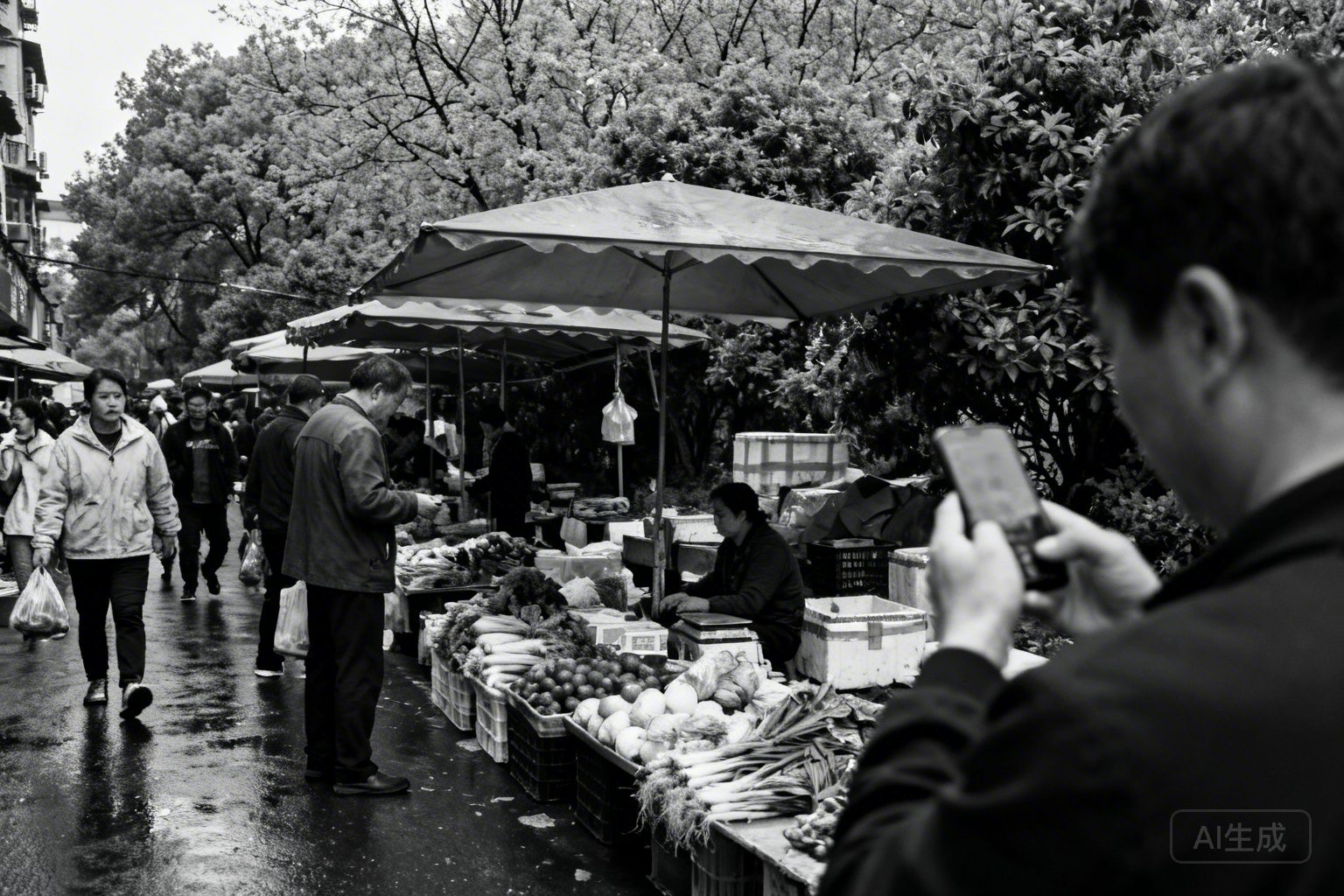
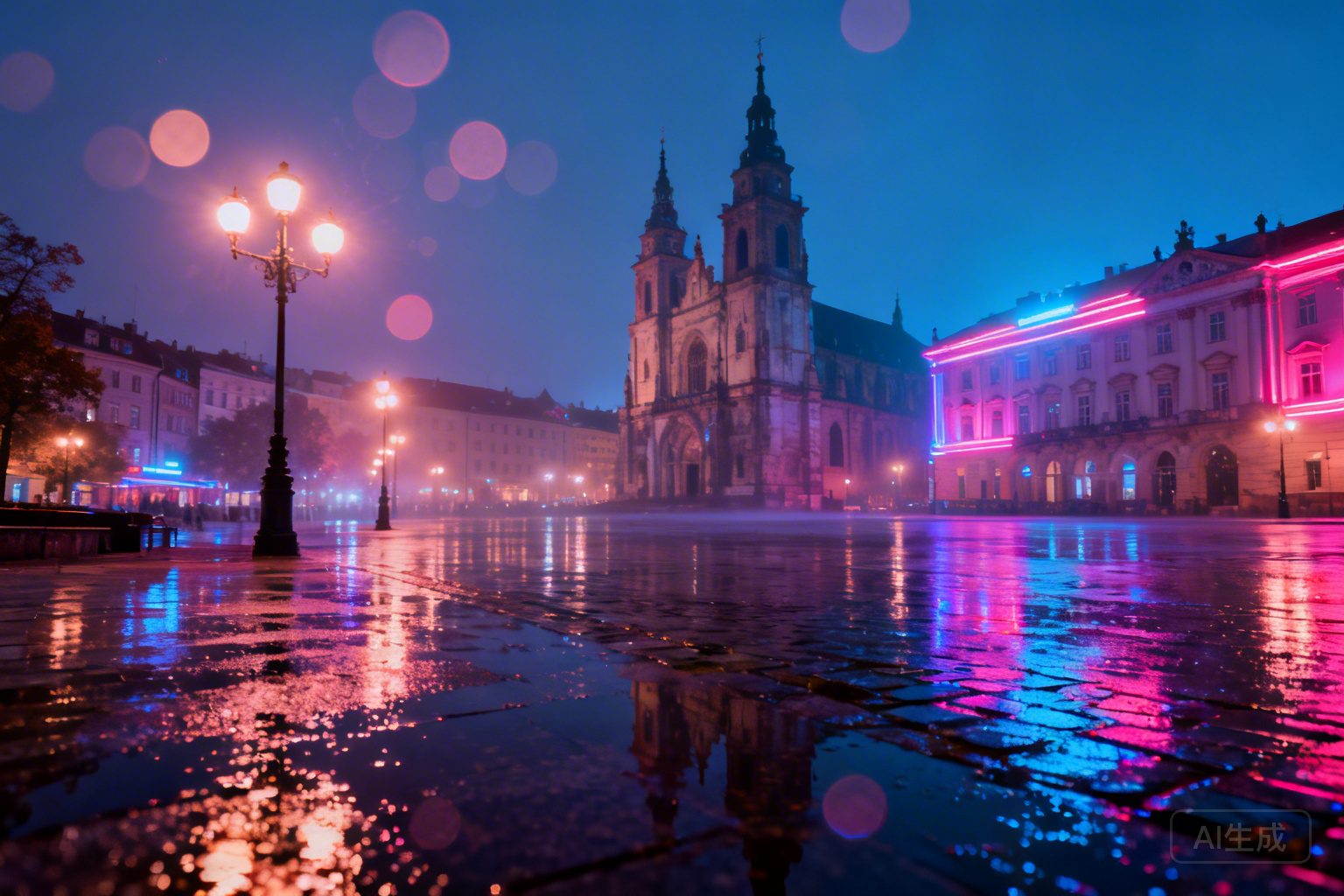
Budget vs. Luxury: How to Master Munich on Any Checkbook!
The Munich Dichotomy: Living Between the Glitz and the Gravel
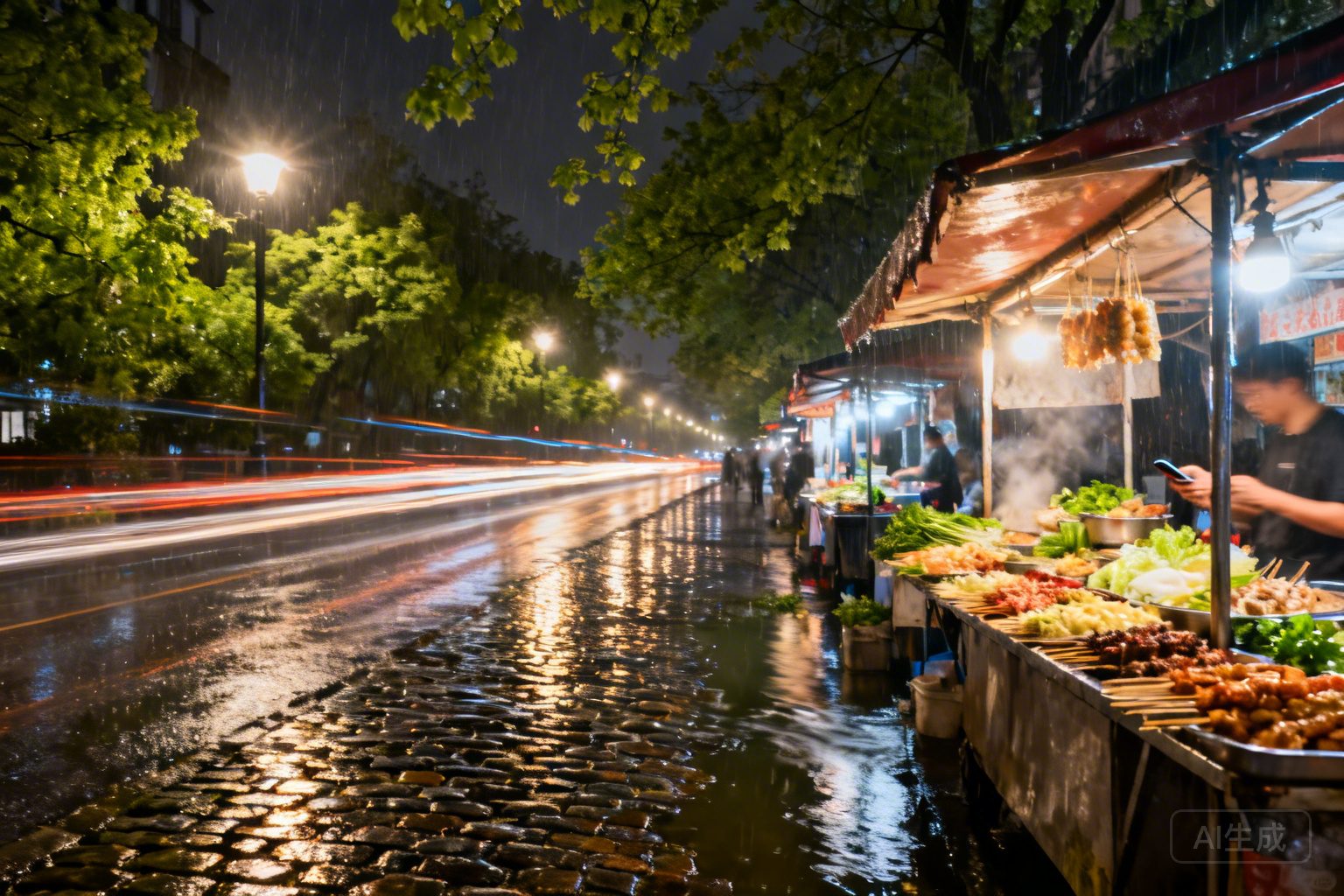
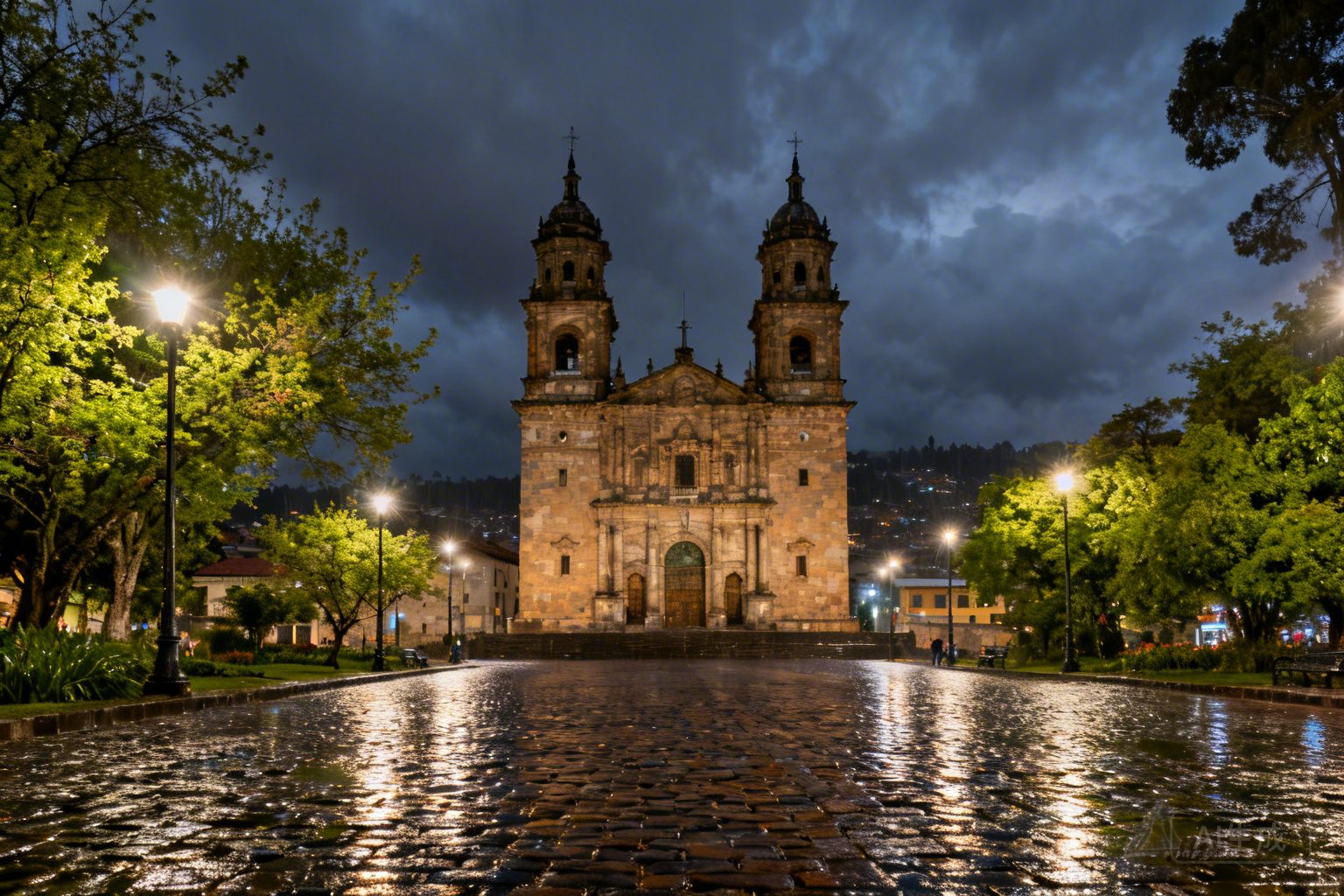
I’ve been sitting in the same corner of Café Kosmos near the Hauptbahnhof for three hours. The beer is cheap, the decor is suspiciously reminiscent of a 1970s spacecraft, and the guy next to me is explaining why the “real” Munich died when the rent in Schwabing hit thirty Euros per square meter. I don’t think he’s right, but I don’t think he’s wrong either. Munich is a city of layers. It is the wealthiest city in Germany, a place where shiny black SUVs are the unofficial state bird, yet it’s also a place where you can find a world-class opera singer drinking a 90-cent Augustiner on a stone bridge at sunset.
I came here six months ago with a suitcase and a laptop, intending to stay for two weeks. I stayed because I realized that mastering Munich isn’t about choosing between budget and luxury; it’s about navigating the friction between the two. You can spend €500 on a tasting menu at Tanzende Türme, or you can spend €5 on a Leberkäsesemmel at a butcher shop that has been there since the Kaiser. Both are authentic. Both are Munich.
The Unwritten Rules: Don’t Be a “Zuagroaster”
Before you even unpack, you need to understand the social mechanics. Munich is “the northernmost city in Italy,” but don’t let the Aperol Spritzes fool you—the Prussian sense of order is very much alive.
First, the bike lanes are holy ground. If you walk in one, you will be signaled with a bell that sounds like a judgment from God. If you persist, a grandmother on an e-bike will swear at you in a dialect you won’t understand, but the intent will be clear. Second, the “Quiet Hours” (Ruhezeit) are real. Do not run your washing machine or vacuum on a Sunday. My neighbor, Frau Schmidt, once knocked on my door because I dropped a heavy book at 2:00 PM on a Saturday. She didn’t want to argue; she just wanted me to know she heard it.