Budget vs. Luxury: How to Master Osaka on Any Checkbook!
The Oscillating Pulse of Osaka
I’ve been living out of a carry-on bag in Osaka for four months now. In that time, I’ve learned that this city isn’t a destination; it’s a living, breathing machine that demands you pick a frequency and stick to it. Most people come here for the neon glitz of Dotonbori, snap a photo of the Glico Man, eat one overpriced takoyaki ball, and leave. They miss the soul of the place. Osaka is a city of layers. You can survive on 3,000 yen a day and feel like a king, or you can drop 50,000 yen on a single dinner and feel like a god. But the real mastery? That’s knowing how to slide between the two without looking like a tourist.
The “unwritten rules” here are different from Tokyo. In Tokyo, silence is a shield. In Osaka, silence is just an invitation for a grandmother to ask you where you’re from while you’re waiting for the light to change. People talk. They haggle. They stand on the right side of the escalator, not the left. If you try to tip, you aren’t being generous; you’re being a nuisance who is forcing a waiter to chase you down the street to return your change. It’s a city of efficiency masked by a chaotic, friendly exterior.
Neighborhood 1: Nakazakicho – The Low-Fi Creative Escape
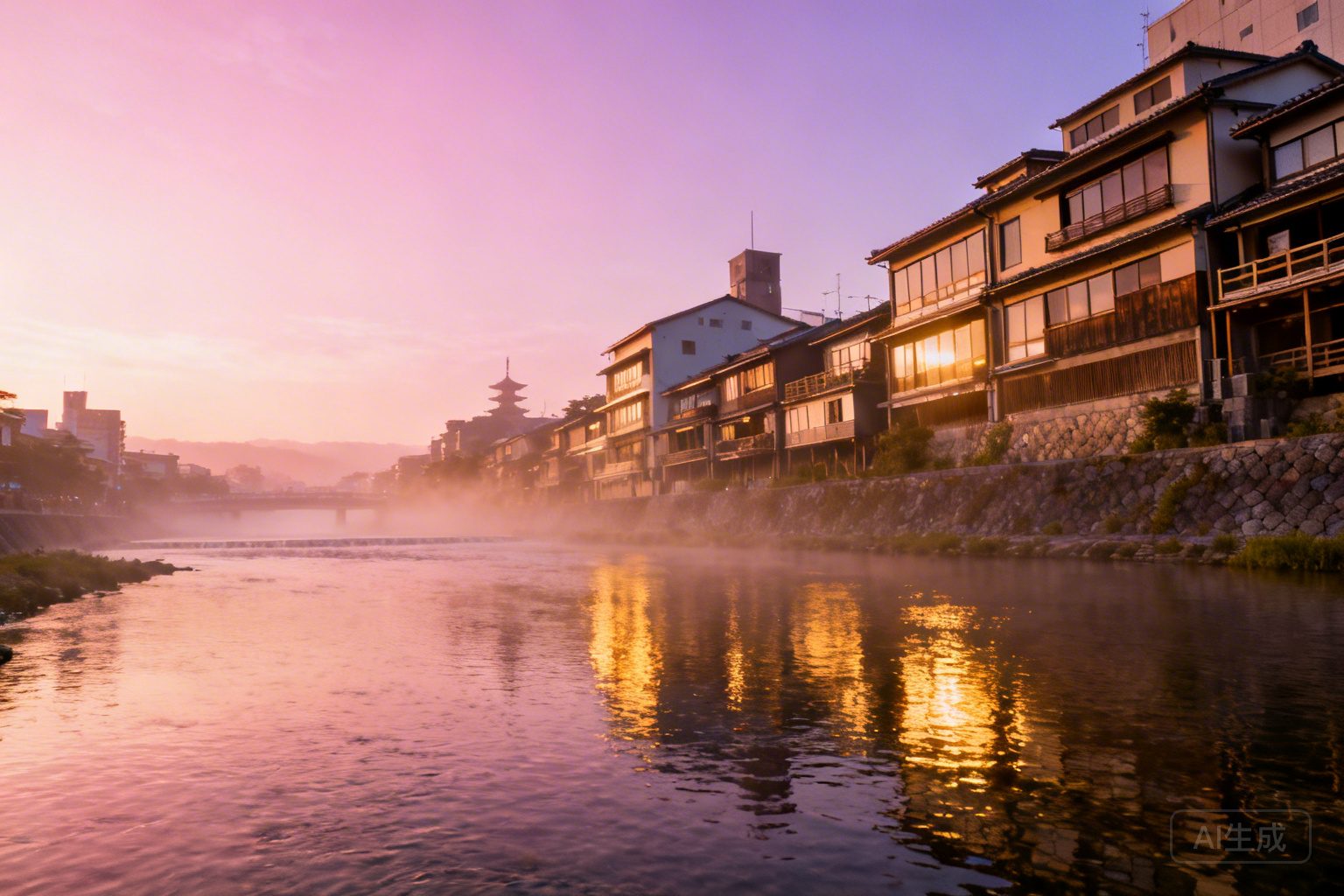
If you want to disappear, start here. Nakazakicho survived the WWII firebombings that leveled most of the city, meaning the streets are narrow, winding, and lined with “Nagaya” (traditional wooden townhouses). It’s the antithesis of the Umeda skyscrapers just ten minutes away.
Lifestyle Mechanics
- Fastest WiFi: Forget the chains. Head to Common Cafe. It’s a shared space where the crowd is mostly freelance writers and local artists. The speeds consistently hit 150mbps, and nobody cares if you sit there for five hours on a single pour-over coffee.
- Laundry: There is a tiny, nameless coin laundry near the Nakazakicho station exit 2. It’s older than your parents, but the dryers actually get hot enough to kill the humidity-induced funk that haunts Osaka summers. 400 yen for a full wash and dry.
- Gym: This isn’t a gym neighborhood. It’s a walking neighborhood. But if you must lift, the Kita-ku Rooftop Gymnasium is nearby. It’s a public facility. Bring indoor shoes or they won’t let you past the front desk. Entry is roughly 600 yen.
- Supermarket: Life Supermarket near the station is fine, but for regional produce, find the small vegetable stalls tucked into the alleyways. I once bought a bag of mikan oranges from an old man who spent twenty minutes explaining why the soil in Wakayama makes them sweeter. He was right.