Budget vs. Luxury: How to Master Zurich on Any Checkbook!
The Gilded Watchface: A Tale of Two Turics
Zurich does not whisper; it hums with the mechanical precision of a tourbillon movement, a sound that resonates deep within the limestone foundations of the Altstadt. To arrive at the Hauptbahnhof is to be spat out into a cathedral of efficiency. The air here smells of ozone, roasted chestnuts, and the faint, metallic tang of tram tracks grinding under the weight of a thousand punctual lives. Here, the wind at the corner of Bahnhofstrasse and Gessnerallee doesn’t just blow; it slices, a cold, Alpine razor that reminds you that despite the Gucci storefronts and the subterranean vaults of gold, we are merely guests on a glacial plateau.
The city presents a paradox of the checkbook. It is a place where a single cup of espresso can cost as much as a three-course meal in Naples, yet it is also a city where the most sublime experiences—the bite of the Limmat’s turquoise water, the shadows of the Grossmünster—are fundamentally free. To master Zurich is not to choose between the spartan and the sybaritic, but to learn how to dance between them like a local, navigating the friction between the five-star linen and the bratwurst stand.
Morning: The Alchemist’s Dawn and the Five-Franc Coffee
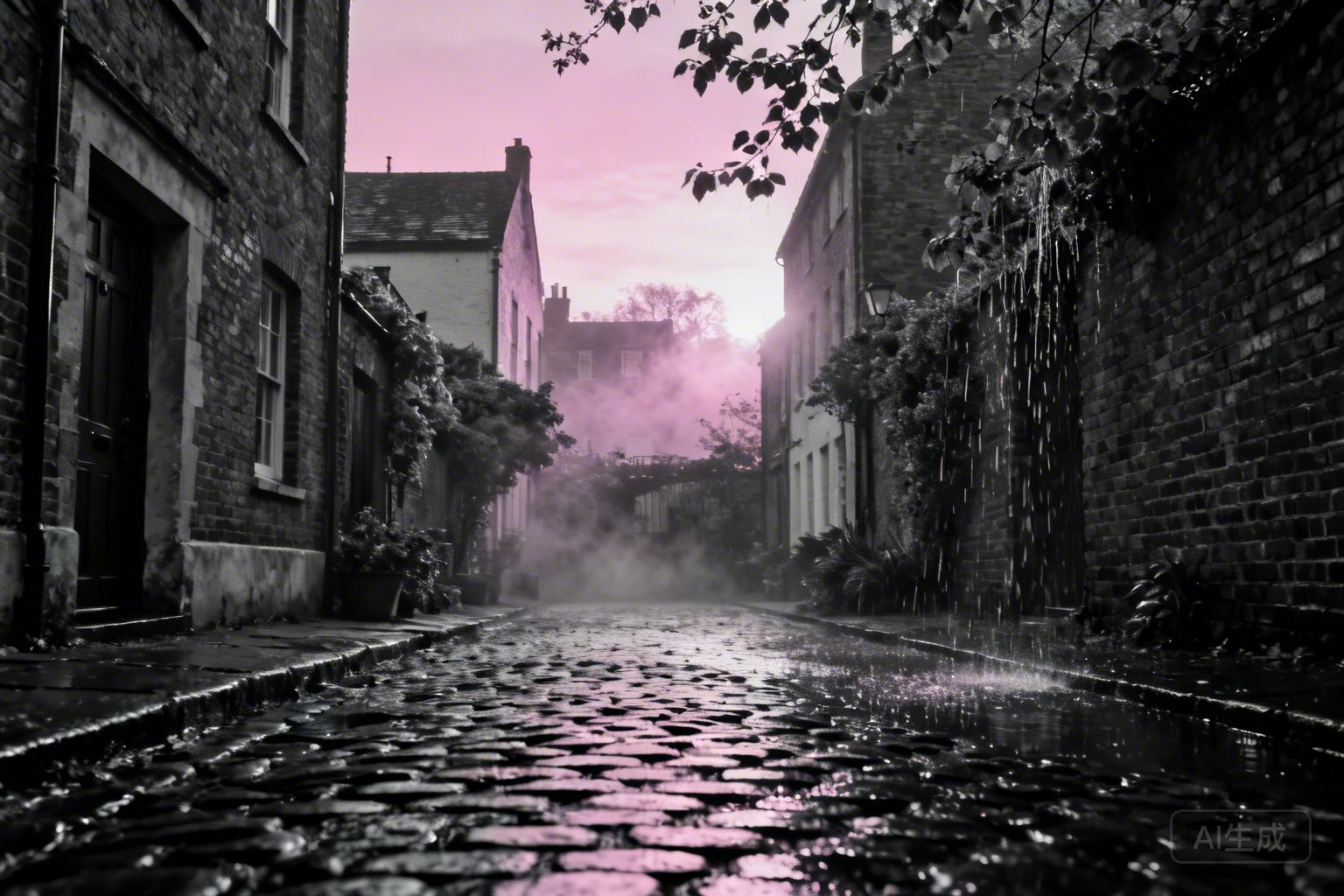
Dawn in the Niederdorf district is a study in textures. The cobblestones are slick with a nightly mist that feels like damp velvet against the soles of your boots. I find myself standing before a door that has seen three centuries of wood rot and several dozen layers of oxblood paint, now peeling in curls like dried orange zest. A silent monk—or perhaps just a man in an exceptionally austere coat—glides past, his breath hitching in the seven-degree air, his eyes fixed on some invisible point on the horizon where the lake meets the sky.
For the budget traveler, the morning ritual begins at a “Bäckerei” tucked away in an alleyway so narrow you can touch both walls. At Bäckerei Jung, the scent of sourdough fermentation is heavy, a sour-sweet perfume that sticks to your clothes. You buy a Weggli—a simple, buttery roll with a cleft down the middle—and a coffee for a handful of silver coins. You eat it standing up, watching the city’s frantic office workers. They move with a terrifying velocity, their charcoal-grey coats flapping like the wings of urban crows, their leather briefcases scuffed at the corners from years of being wedged into the Swiss Federal Railway’s second-class carriages.