Capturing Adelaide: 10 Secret Perspectives for the Perfect Vacation Photo!
The Soft Amber Haunt: Prelude to a City of Light
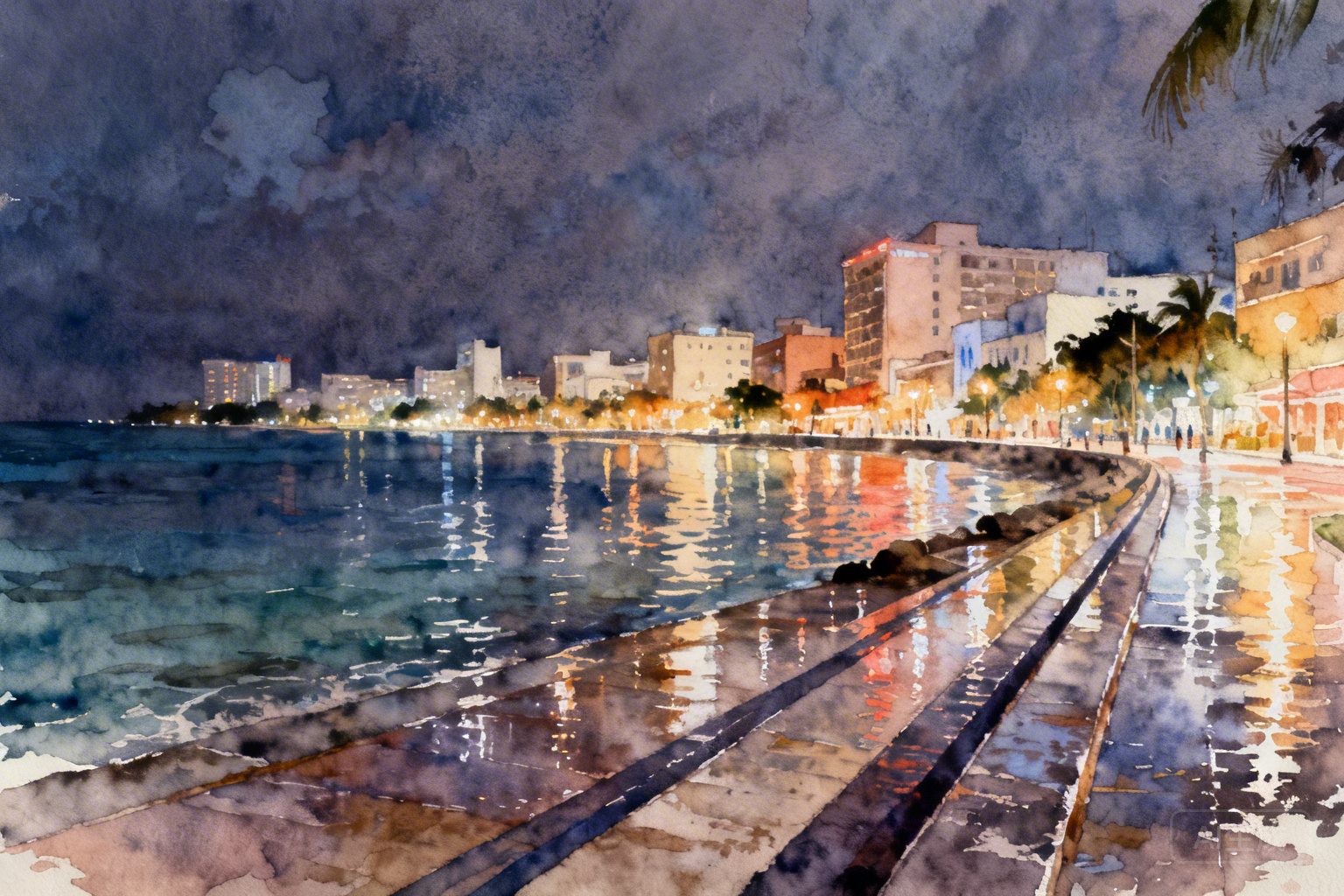
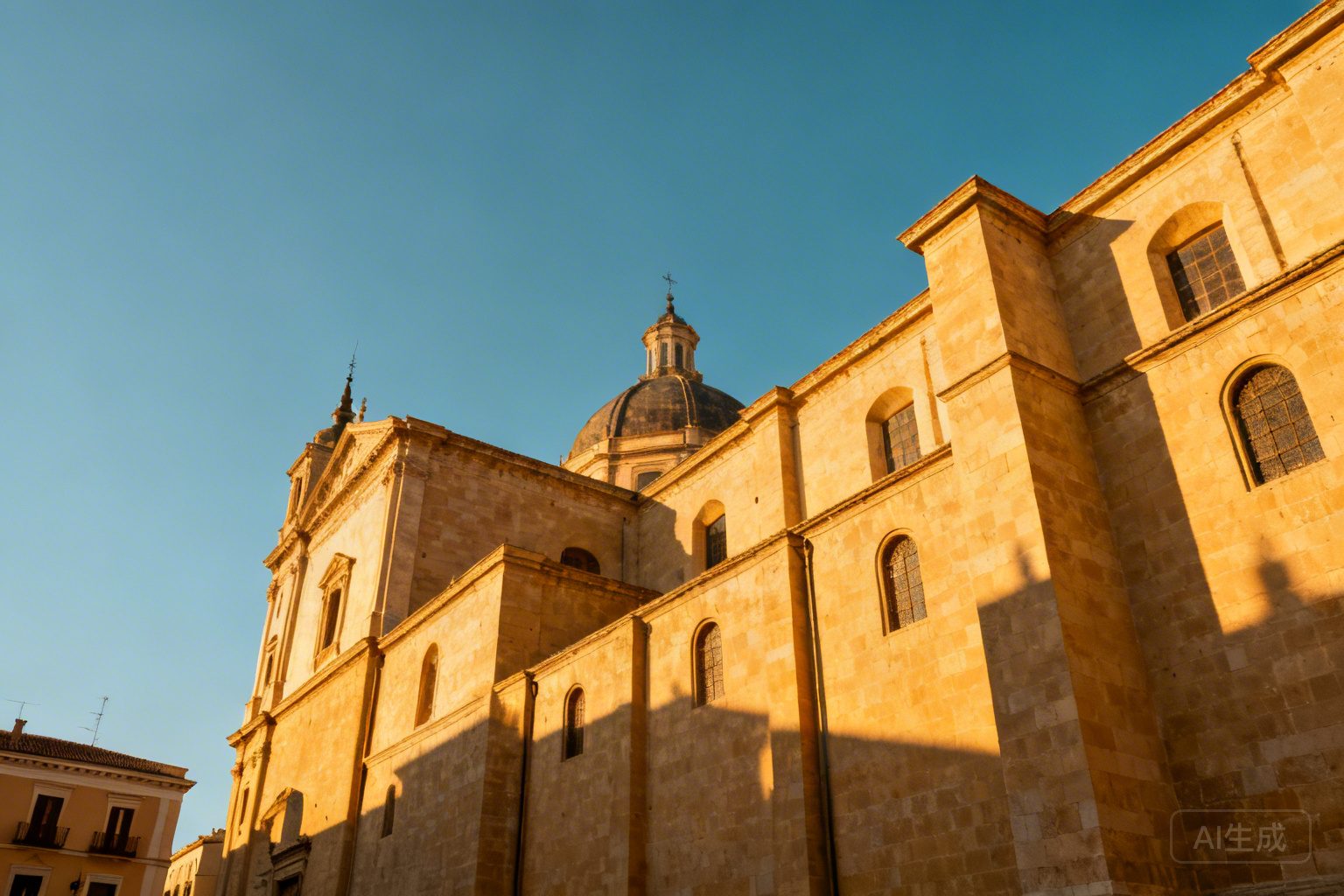
Adelaide is a city built on the polite fiction of order. Colonel William Light, with his surveyor’s eye and a heart heavy with the humidity of the Mediterranean, laid out these streets in 1836 as a rigid grid—a geometric defiance against the chaotic sprawl of the scrubland. But the camera knows better. The camera understands that beneath the Victorian sandstone and the manicured parklands lies a city of shifting ghosts and liquid light. To capture it is not to photograph a monument, but to catch the way the salt-heavy air from the Gulf St Vincent catches the dying sun at precisely 5:42 PM, turning the limestone facades of North Terrace into blocks of glowing honeycomb.
I arrived when the wind was a thin, cold needle, stitching its way through the gaps in the high-rises. It is a city that breathes in two tempos: the frantic, caffeine-fueled jitter of the morning commute and the syrupy, languid exhale of the afternoon. If you wish to photograph it, you must learn to wait. You must learn the texture of the shadows.
1. The Gilded Veracity of the Central Market
The smell hits you first—a pugnacious collision of overripe Brie, damp sawdust, and the metallic tang of fresh-caught King George whiting. To find the first secret perspective, you must ignore the main thoroughfares where the tourists congregate with their flat whites. Instead, find the narrow alleyway near the Gouger Street entrance where the light filtered through the corrugated iron roof turns the dust motes into suspended gold leaf.
Here, the paint on the century-old pillars is not merely red; it is a bruised oxblood, flaking away in jagged maps to reveal the grey leaden layers of the past. I watched a brusque waiter—a man whose face was a topographic map of espresso-fueled grievances—slam a ceramic plate of sfogliatella onto a marble table with a sound like a pistol shot. He didn’t look at the customer. He looked at the clock. In that vibration, that blurring of the pastry’s powdered sugar as it settled back onto the plate, lies the raw energy of the market. Position your lens at hip height. Capture the blur of the shoppers’ legs—the frantic office worker in scuffed oxfords, the grandmother with a woven basket smelling of thyme—against the motionless, stoic eternity of the fruit stalls. It is a study in the transience of hunger.