Capturing Helsinki: 10 Secret Perspectives for the Perfect Vacation Photo!
The Amber Light of the 60th Parallel
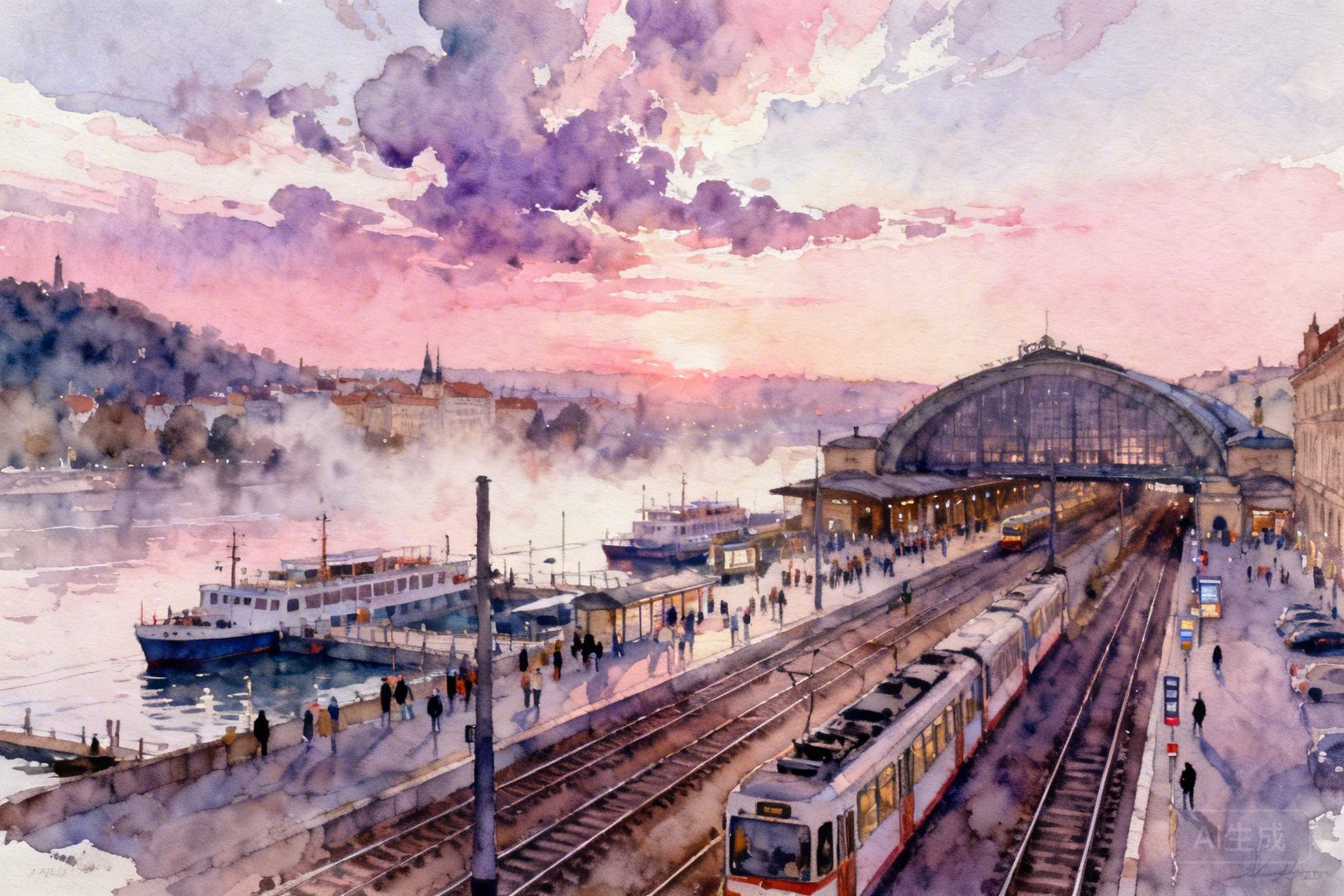
Helsinki does not reveal itself to the impatient. It is a city of granite and glass, a stoic outpost where the Baltic Sea licks the jagged edges of the shoreline with a tongue of salt and ice. To photograph this place is to engage in a slow-motion duel with the light. Here, the sun doesn’t just rise and set; it performs a languid, horizontal crawl along the horizon, casting shadows so long they feel like physical appendages of the Art Nouveau architecture. I arrived at the Central Railway Station—Eliel Saarinen’s masterpiece of National Romanticism—just as a bruised purple dusk began to settle over the square. The air tasted of ozone and woodsmoke. A man in a charcoal wool coat stood by the massive stone “Lantern Carriers,” his face a map of deep-set wrinkles, staring at the copper-domed clock with the intensity of a condemned prisoner. He didn’t move for ten minutes. The silence of the Finnish capital is not an absence of noise, but a presence of weight.
The camera is a clumsy tool for capturing the “Sisu”—that untranslatable Finnish grit—but we try nonetheless. We chase the ghost of the North. We look for the point where the urban geometry collapses into the wild, dark water. This is not a postcard. This is a dissection of a city that lives between the teeth of winter and the fever dream of the midnight sun.
1. The Copper Verdigris of the Silent Chapel
Start in Kamppi. Not in the shopping mall with its frantic office workers—men in slim-fit navy suits clutching leather briefcases like shields, their eyes darting toward the digital departure boards—but in the Narinkkatori square. There sits the Kamppi Chapel, a curved wooden vessel that looks like it drifted ashore from a Viking myth. The exterior is spruce, horizontal slats stained a warm, honeyed orange that glows against the grey asphalt. But the photo is not of the building itself. It is of the texture. Get close. Feel the grain of the wood under your lens. It is smooth, almost oily to the touch, worn down by the tentative palms of a thousand curious tourists.
Inside, the silence is physical. It hits you in the chest like a soft mallet. A single usher, a woman with silver hair pulled back so tightly her skin seems translucent, nods once. She doesn’t speak. She is a guardian of the void. The light filters down from a hidden perimeter, bathing the curved alder walls in a soft, ecclesiastical glow. To capture this is to capture the very soul of the city: a desperate, beautiful need for quiet in a world that refuses to stop screaming.