Capturing Nadi: 10 Secret Perspectives for the Perfect Vacation Photo!
The Humidity of Arrival: A Prelude in Saffron and Salt
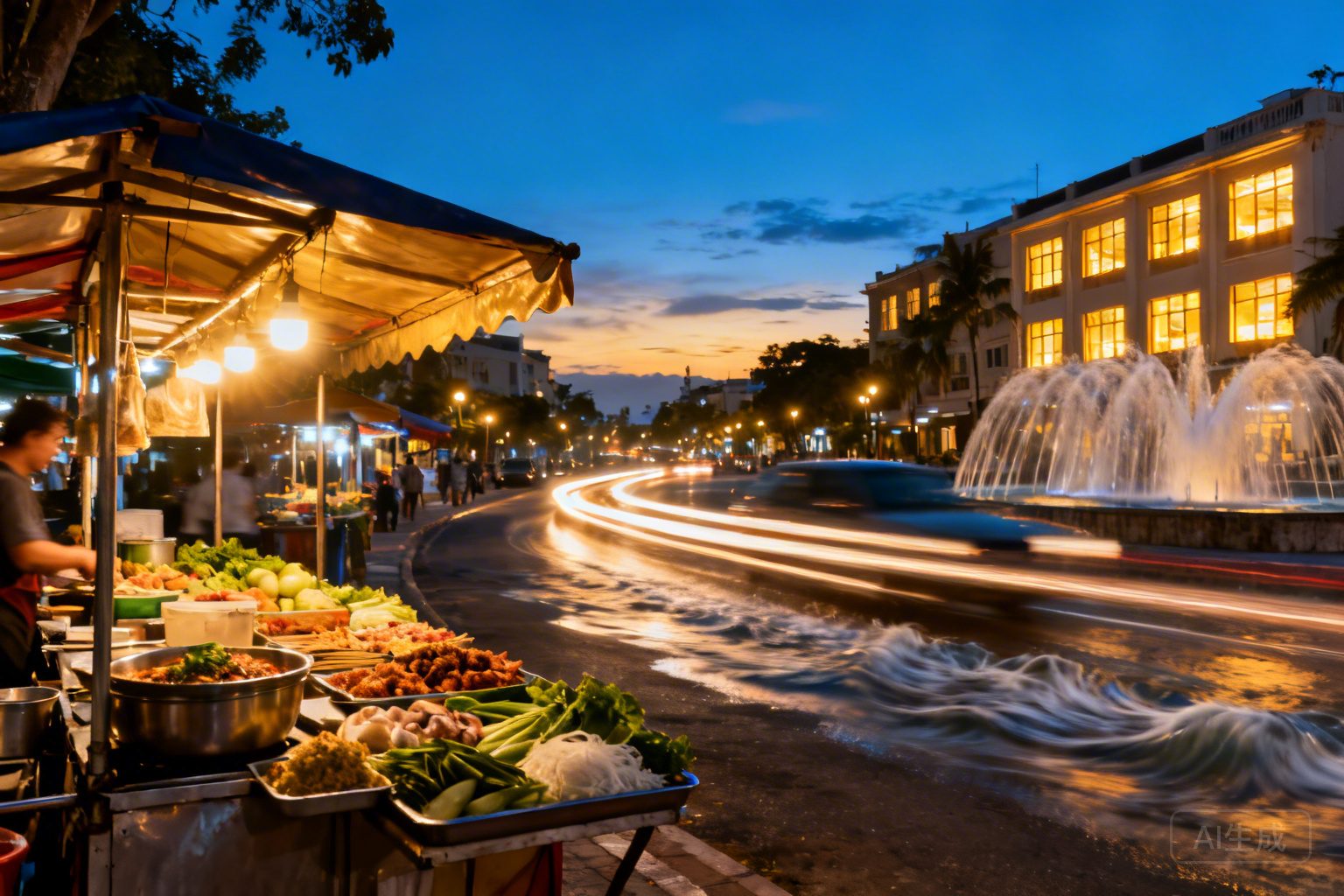
The air in Nadi does not merely touch you; it claims you. It is a thick, velvet weight, redolent of kerosene from the tarmac and the cloyingly sweet rot of overripe mangoes. As the cabin door of the A350 creaks open, the South Pacific rushes in—a sensory assault of salt-crusted wind and the distant, rhythmic thrum of a lali drum. This is not the Fiji of the glossy brochures, all airbrushed turquoise and silent sands. This is Nadi, a bustling, grit-under-the-fingernails gateway where the echoes of the British Raj collide with indigenous iTaukei sovereignty and the relentless neon pulse of the twenty-first century.
To photograph Nadi is to engage in a struggle against the glare. The sun here is an interrogator, bleaching the pastels of the colonial architecture until they scream. But for the traveler who knows how to look—who can see past the duty-free perfume shops and the frantic touts—there is a secret geometry to this city. There is a narrative written in the peeling turquoise paint of a hundred-year-old door and the precise, rhythmic movement of a kava bowl being passed in the shadows.
1. The Sri Siva Subramaniya: The Architecture of Devotion
At the southern tip of the main drag, the Sri Siva Subramaniya temple rises like a psychedelic fever dream against the backdrop of the Sabeto Mountains. It is the largest Hindu temple in the Southern Hemisphere, a riot of Dravidian architecture where every inch of stone is colonized by gods, demons, and celestial dancers. The texture here is a paradox: the smoothness of the sun-warmed marble floors under bare feet contrasting with the rough, hand-carved intricate reliefs of the gopuram.
I watched a silent monk—his skin the color of polished mahogany, draped in a saffron dhoti that had frayed at the edges—paint a fresh tilak on a stone deity. His movements were liquid. He did not look at the tourists. He existed in a pocket of time where the 1913 arrival of indentured laborers from India was a recent memory, a lingering scent of incense in the air. To capture this, don’t aim for the wide shot. Focus on the contrast of a bright marigold garland draped over a weathered, grey stone plinth. The orange is so loud it vibrates.