Capturing Nairobi: 10 Secret Perspectives for the Perfect Vacation Photo!
The Amber Hour at the Edge of the World
Nairobi does not ask for your permission; it simply occurs, a chaotic symphony of iron and acacia, red dust and high-frequency hustle. To photograph this city is to attempt to capture lightning in a chipped ceramic mug. Most visitors linger at the periphery, snapping the predictable silhouettes of giraffes against a skyline that looks like a Lego set dropped in the savannah. But the true Nairobi—the “Green City in the Sun”—resides in the fractures. It is found in the way the light hits a dented matatu door at 5:00 PM, or the specific, melancholic tilt of a colonial-era roof in Upper Hill. To find the ten perspectives that define this metropolis, one must be willing to get their boots stained with the iron-rich murram earth and their lungs filled with the scent of roasting maize and diesel exhaust.
1. The Brutalist Horizon: The KICC Helipad
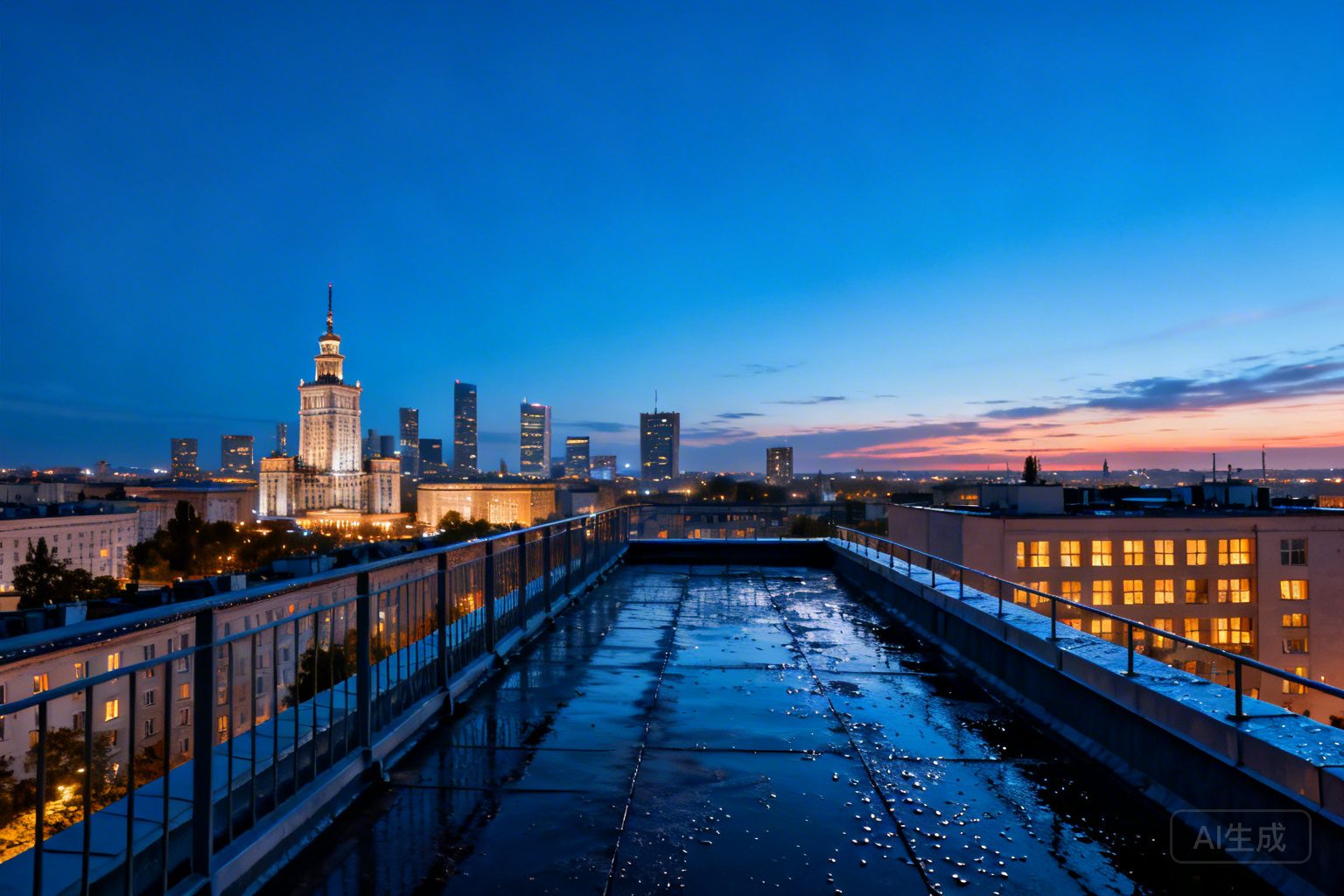
Standing atop the Kenyatta International Convention Centre, the wind doesn’t just blow; it scours. It is a dry, high-altitude gale that smells of charcoal smoke and distant rain. Below, the city is a grid of frantic ambition. The architecture is a fever dream of 1970s optimism—brutalist concrete curves that look like they were carved from the bones of giants. From this height, the “City Square” is a mosaic of moving parts. To get the shot, you must ignore the horizon. Look straight down. Watch the “frantic office worker” in a suit three sizes too large, clutching a worn leather briefcase like a shield, dodging the yellow-and-white taxis that swarm like angry wasps. The contrast between the rigid, unyielding grey stone and the fluid, colorful river of humanity is the first secret. It is the perspective of the surveyor, cold and absolute.
2. The Ghost of Lord Delamere: The Norfolk’s Veranda
The Norfolk Hotel is a sepia-toned hallucination. The paint on the ornamental trimmings isn’t just white; it’s the color of a bleached skull, layered over decades of whispered scandals and gin-soaked deals. Here, the air is stagnant and heavy with the smell of floor wax and damp earth. If you sit long enough, you’ll see the “brusque waiter,” a man named Samuel whose posture is straighter than the colonial pillars he polishes. He moves with a calculated indifference, a living relic of a stratified past. The photo here is not of the building, but of the reflection in a silver teapot—a distorted image of the modern skyscrapers looming over the Victorian garden. It is a collision of centuries, caught in a meniscus of Earl Grey tea.
3. The Matatu Neon-Noir: River Road at Dusk
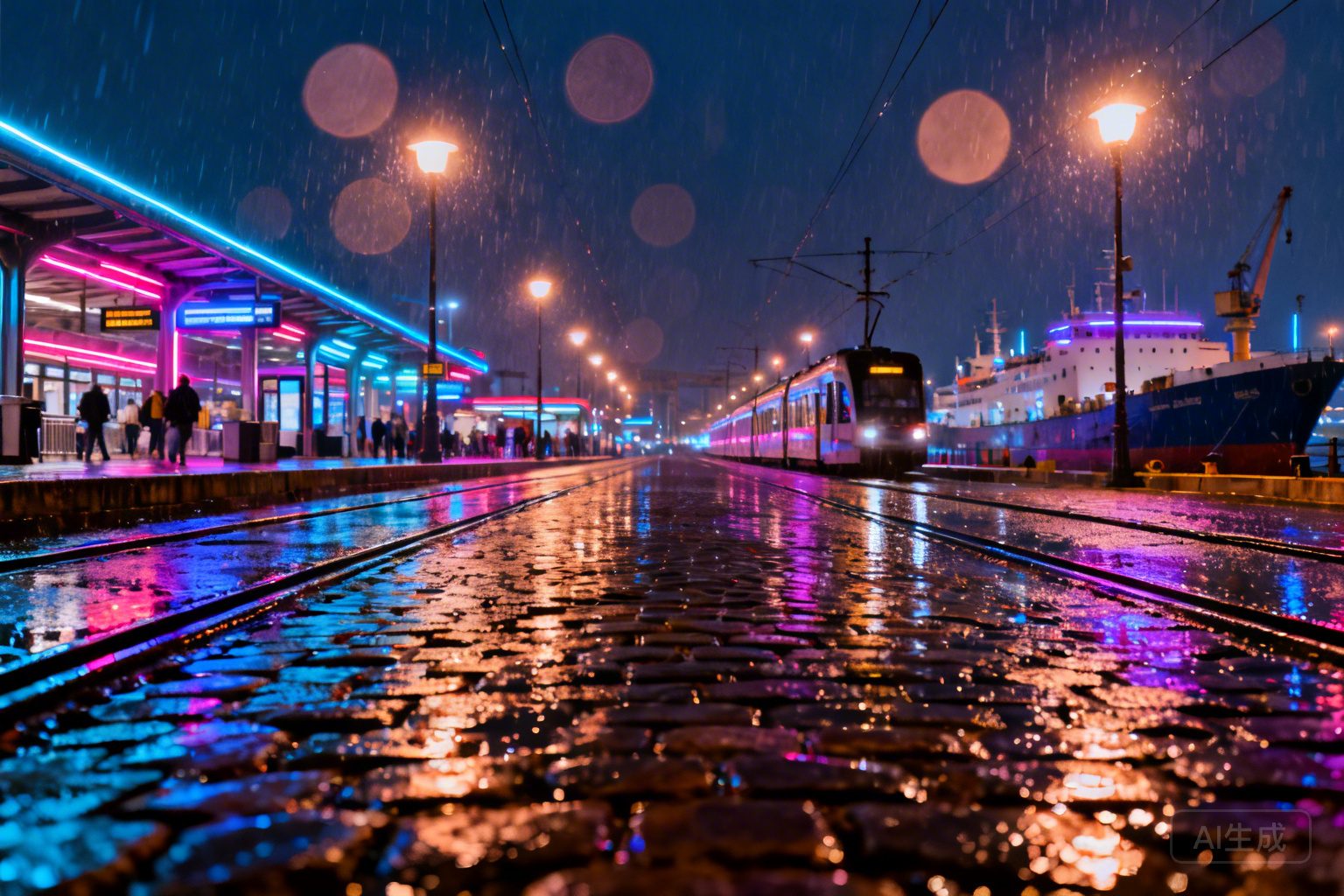
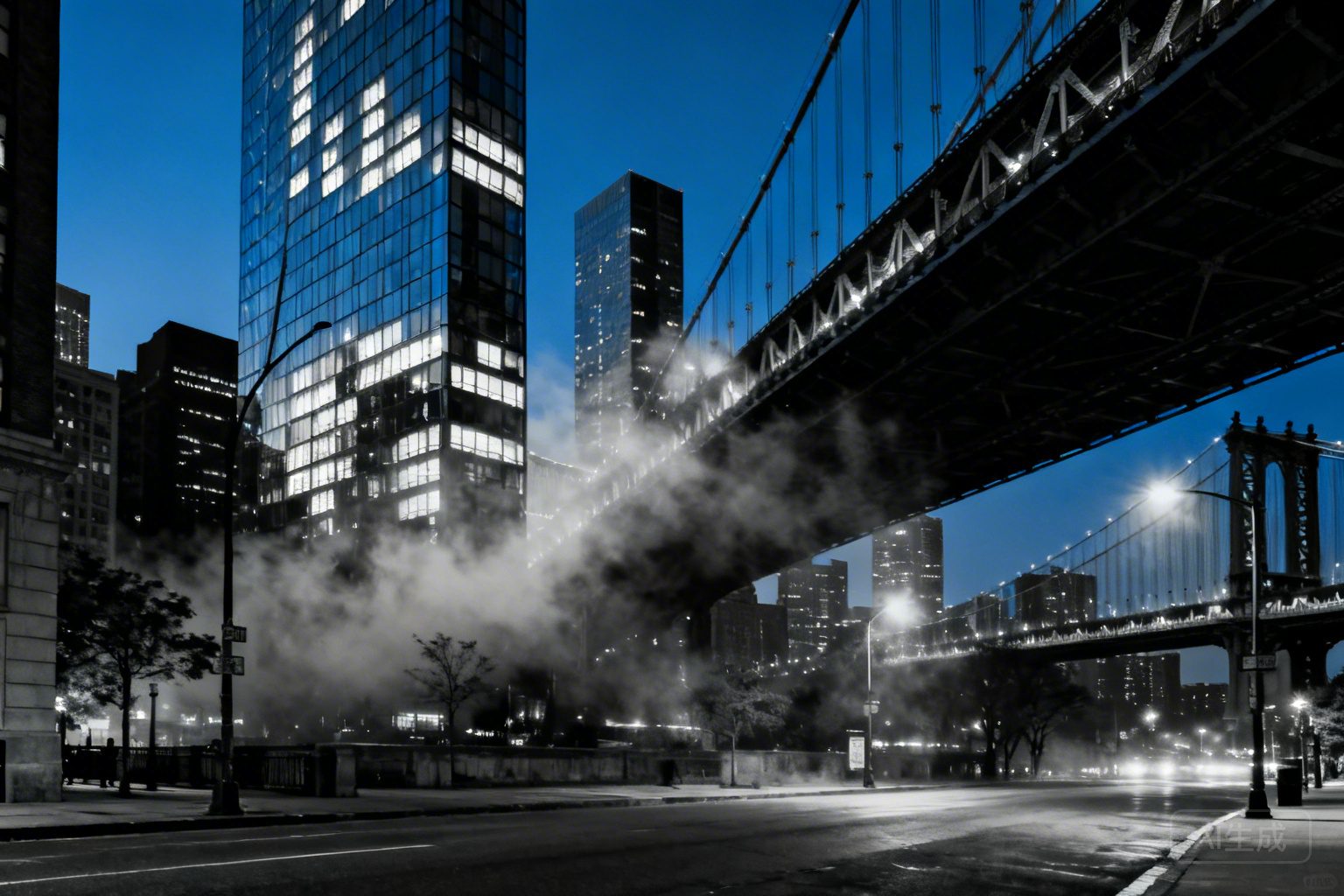
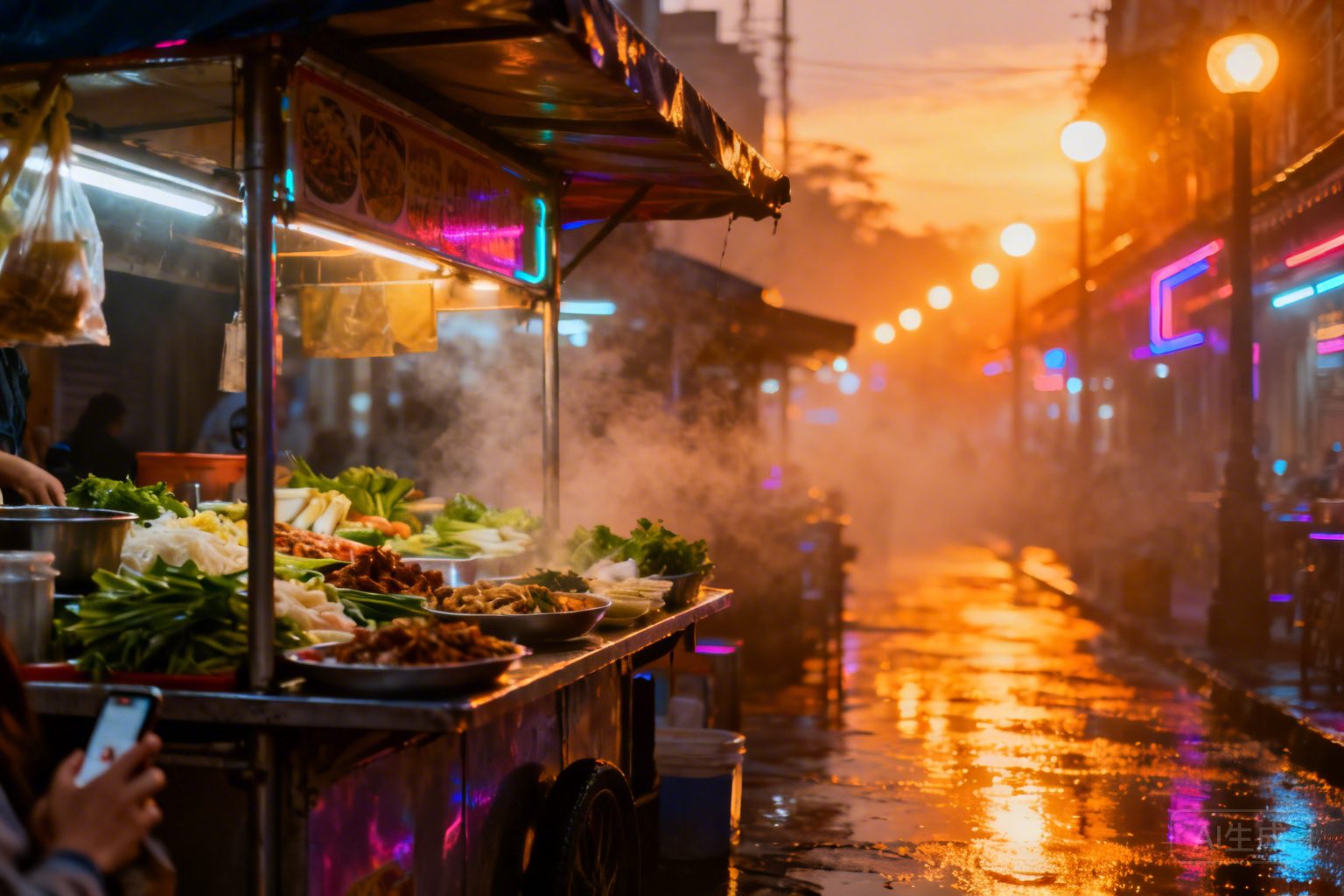
As the sun dips, River Road becomes a blade of light. This is the city’s nervous system. The sound is a physical weight: the specific, rhythmic thud of bass from a customized matatu—minibuses that are essentially rolling nightclubs—and the high-pitched, melodic “shouting” of the touts. “Tao! Tao! Tao!” they cry, a staccato rhythm that mimics a heartbeat. The light here is neon-green and aggressive purple, reflecting off the oily puddles of the afternoon’s cloudburst. The “matatu” itself is the subject; look for the one with the hand-painted mural of a localized superhero or a global pop star. The texture of the cracked asphalt, wet and shimmering, provides a grounding element to the psychedelic chaos of the vehicles. It is a frantic, electric perspective that feels like a frame from a film that hasn’t been edited yet.