Capturing New Delhi: 10 Secret Perspectives for the Perfect Vacation Photo!
The Dust and the Diamond: A Cartography of Shadows
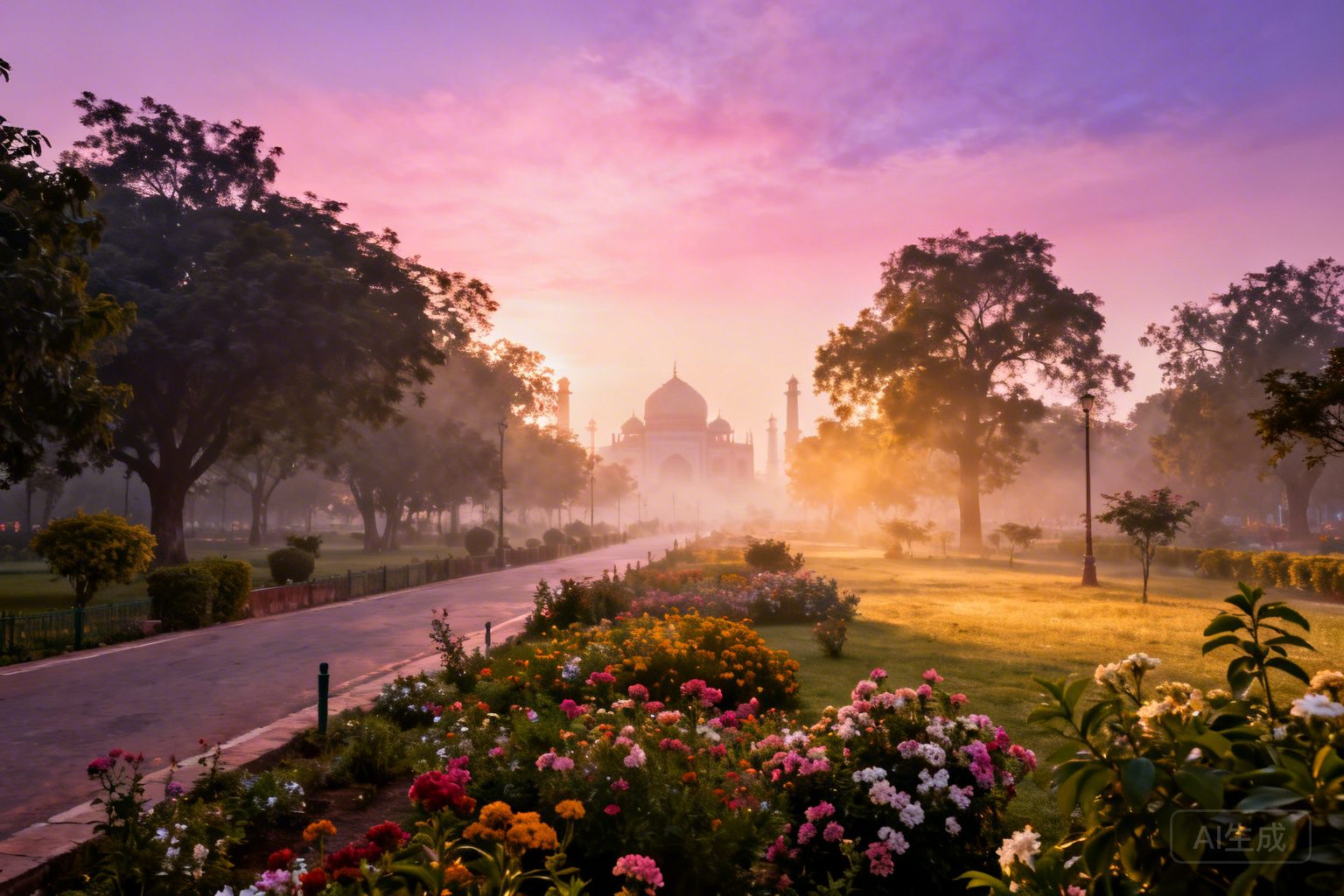
Delhi is not a city; it is a fever dream curated by a thousand dead kings and ten million living ghosts. To photograph it is to attempt to bottle a monsoon—you will fail, of course, but the attempt is where the magic resides. Most travelers arrive with a checklist of monuments that have been photographed into clinical sterility. They stand before the Taj Mahal’s younger cousin, Humayun’s Tomb, and click the same symmetrical shutter-release that five million others clicked that year. But if you want to capture the soul of this sprawling, chaotic megalopolis, you must look where the light doesn’t reach, or where it reaches with such violent intensity that it bleaches the world white.
I began my journey at 4:00 AM, the hour when the city smells of cold ash and jasmine. The air was a physical weight, a damp wool blanket pressing against the skin. My camera felt heavy, a cold hunk of magnesium alloy and glass that seemed inadequate for the task at hand. Delhi demands more than a lens; it demands a surrender of the ego.
1. The Blue Hour at Ghalib’s Threshold (Nizamuddin Basti)
The Nizamuddin Basti is a labyrinthine medieval settlement where the 14th century is still engaged in a slow-motion collision with the 21st. The paint on the doors here isn’t just peeling; it is shedding like the skin of an ancient reptile, revealing layers of turquoise, ochre, and soot beneath. I found myself standing before a doorway so narrow it felt like a rift in time.
A man sat there, his bones seemingly held together by the sheer force of his linen kurta. He was a Khidmatgar, a volunteer at the nearby shrine, his beard a chaotic froth of white against skin the color of well-steeped tea. He didn’t look at me. He looked through me, his eyes fixed on some invisible horizon. The specific pitch of the call to prayer began to vibrate through the floorboards—a low, resonant hum that felt like it was originating from the earth itself.