Capturing Papeete: 10 Secret Perspectives for the Perfect Vacation Photo!
The Humidity of History: A Morning at the Edge of the Pacific
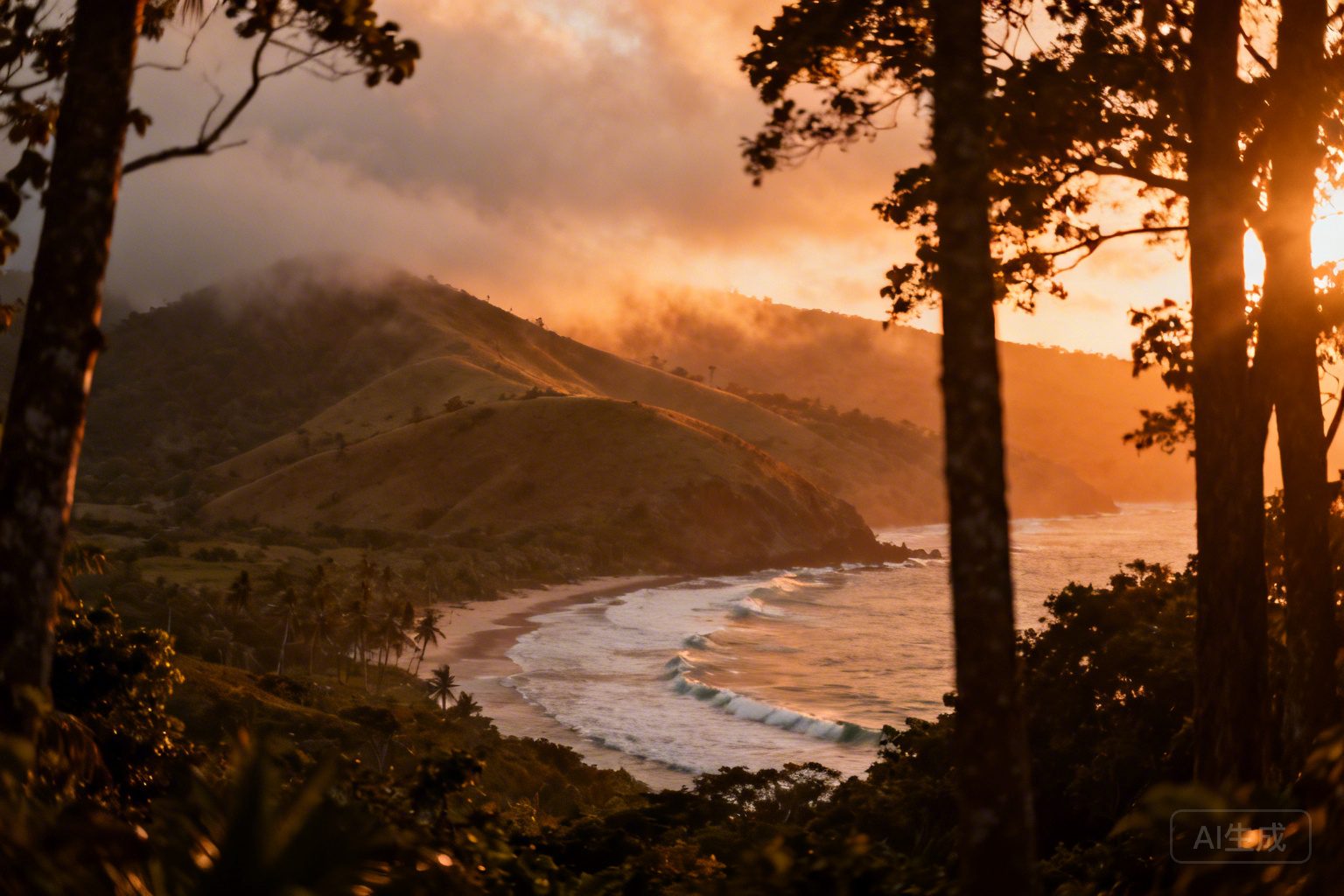
The dawn in Papeete does not break so much as it bruises the sky, a deep, indigo contusion that slowly yields to a bruised violet and then, finally, a searing, uncompromising gold. It is 5:15 AM. The air is already a thick, tangible presence, a warm wet blanket scented with the contradictory notes of rotting hibiscus and high-octane diesel. I am standing on the Boulevard Pomare, the asphalt still radiating the ghost of yesterday’s heat, watching the harbor wake up. This is not the postcard Tahiti of overwater bungalows and sterile luxury; this is the beating, scarred heart of French Polynesia. It is a city of rust and jasmine, of colonial ghosts and neon-lit futures.
To capture Papeete is to embrace the friction. You cannot photograph this place through a soft-focus lens. You need the grit. You need the way the salt air eats the edges of the wrought-iron balconies. You need the precise, rhythmic slap of the water against the hull of the *Aremiti* ferry as it prepares to evacuate the commuters back to Moorea. Here, the first secret perspective isn’t a landmark; it’s a texture.
1. The Patina of the Marché de Papeete
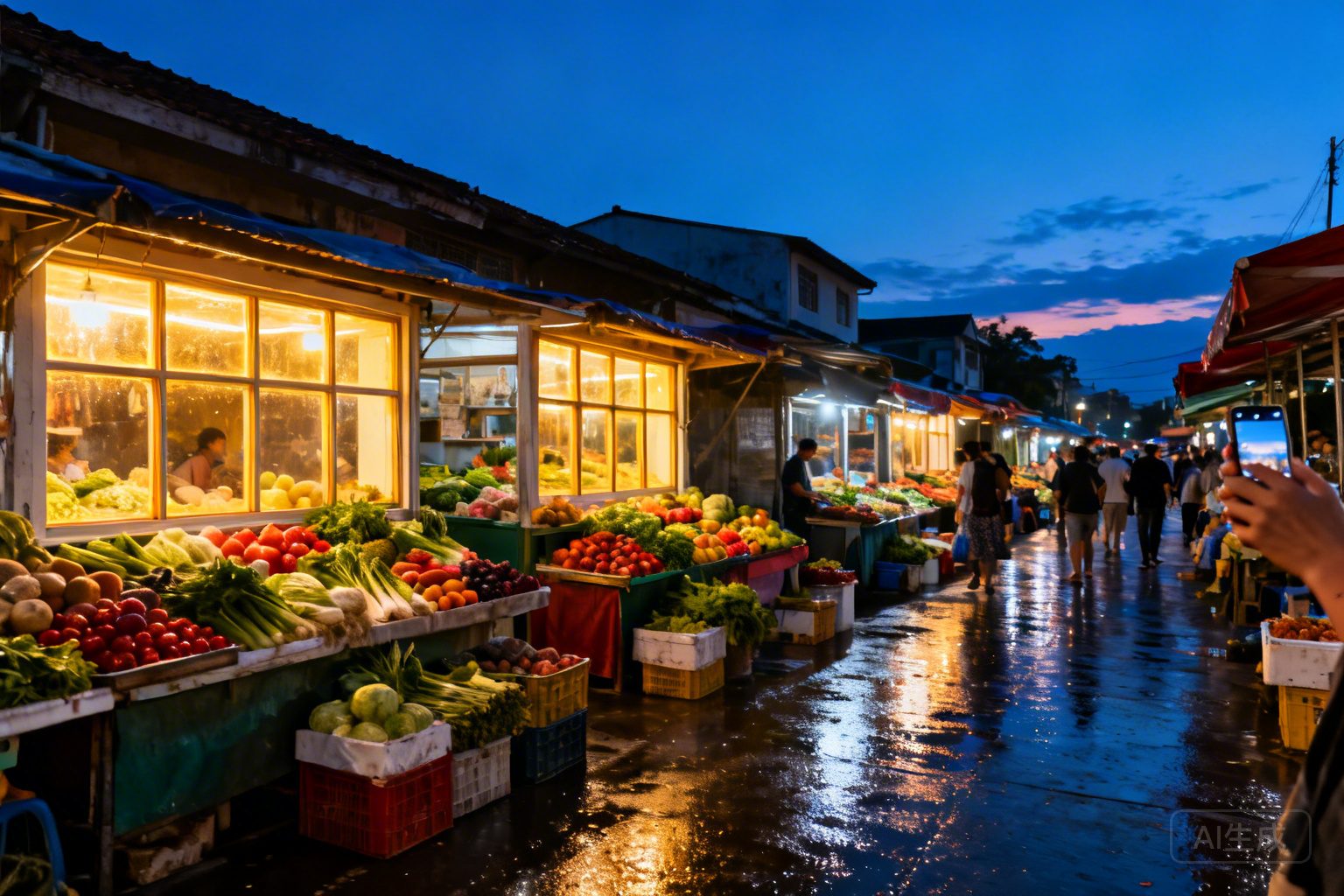
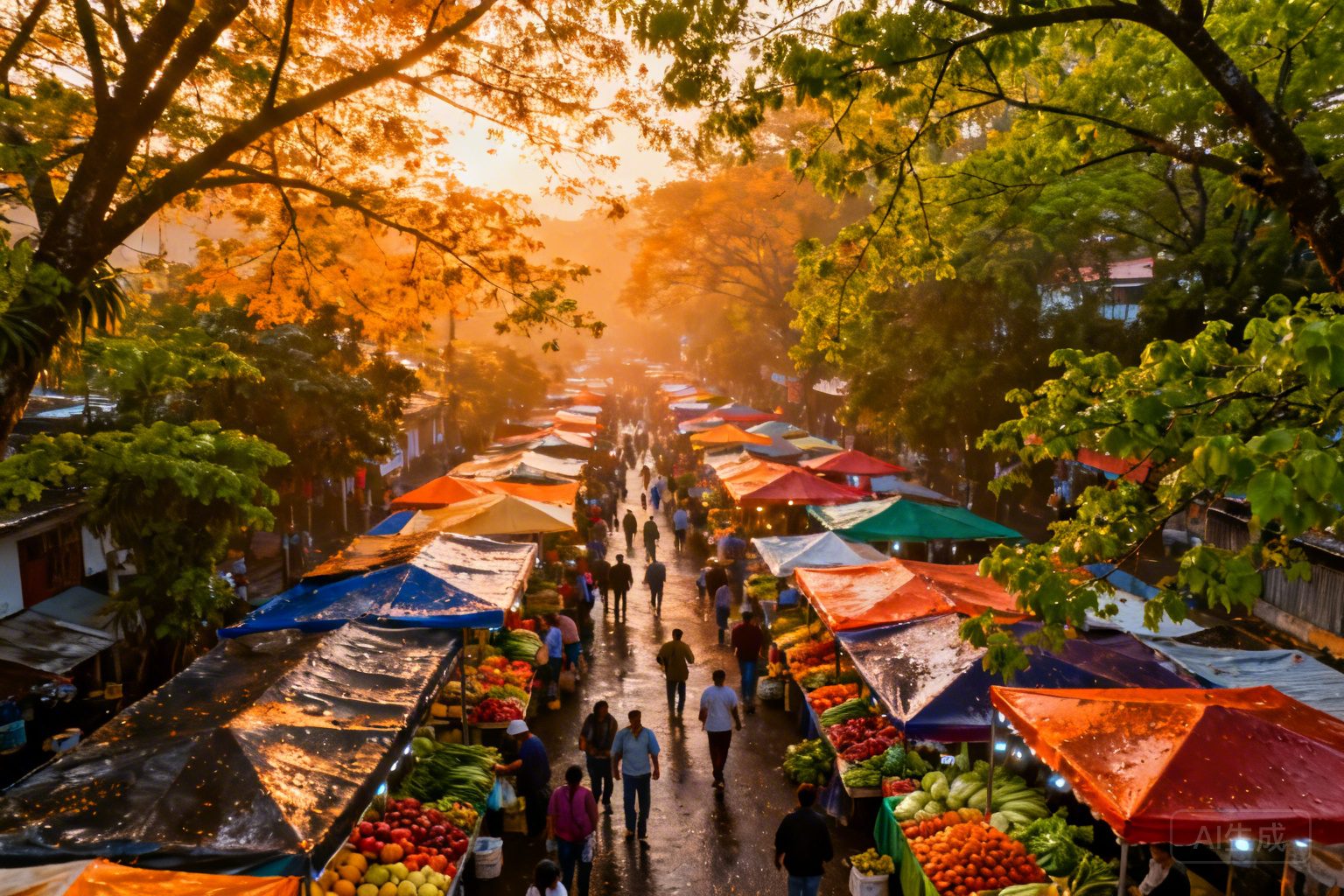
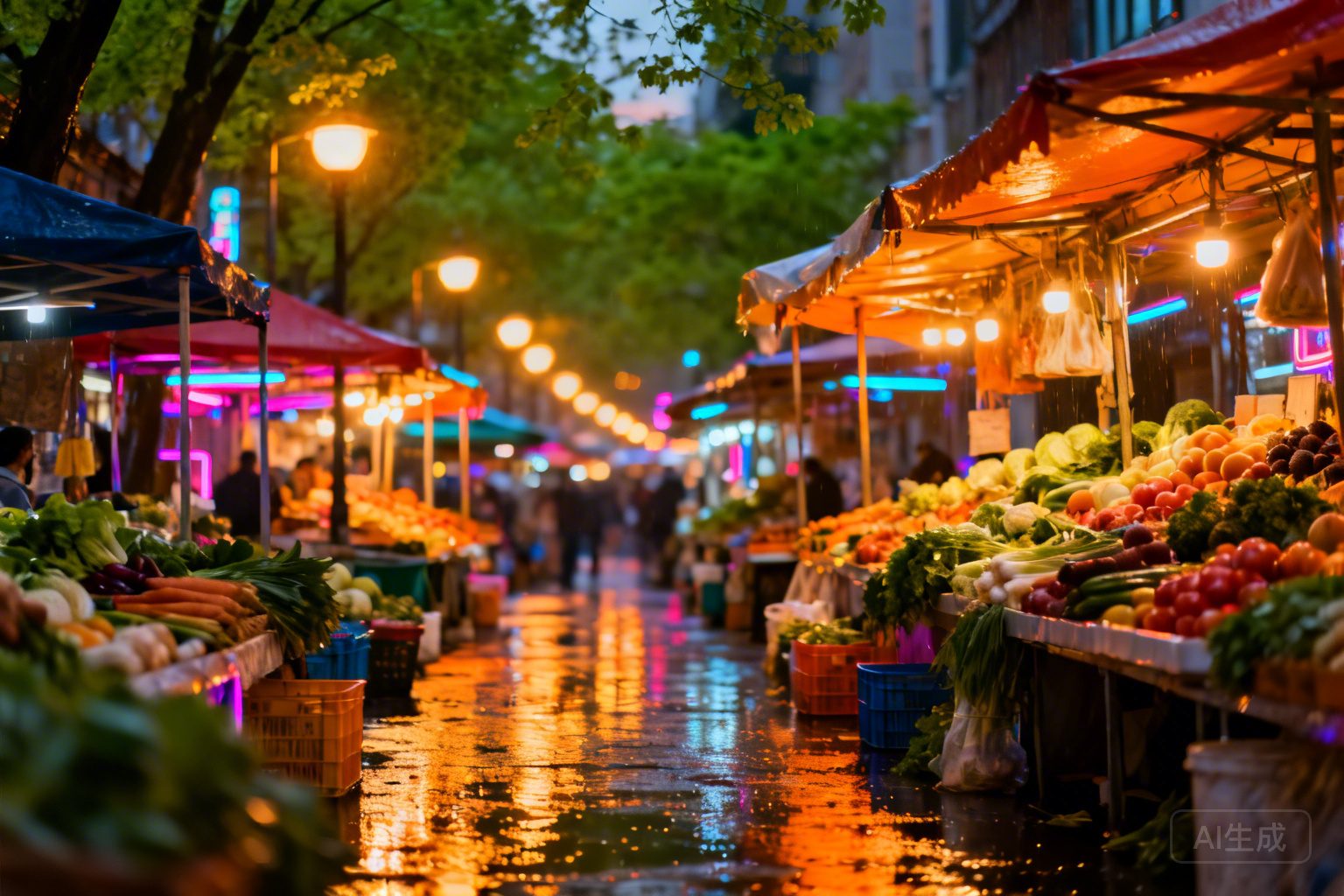
The Marché is a cathedral of the mundane and the magnificent. Inside, the light filters through corrugated plastic and high, dusty windows, casting long, cinematic shadows across the stalls. To find the shot, ignore the colorful pareos hanging like flags. Look instead at the hands of the *mamas* in the flower section. Their skin is mapped with the geography of decades, fingers stained green from threading tiare blossoms into intricate crowns.
I watch a woman named Teura. She doesn’t look at her work; her hands move by muscle memory, a blur of brown skin against the waxy white of the petals. The scent is overwhelming—a floral punch to the sinuses that competes with the metallic tang of the tuna being butchered twenty yards away. The floor is slick with crushed ice and scales. Here, the perspective is low. Crouch. Capture the contrast between a discarded, bruised mango on the wet concrete and the pristine, shimmering scales of a red snapper. It is the cycle of the island in a single frame.