Cusco on a Shoestring: 15 Incredible Things to Do for Under $20!
The Oxygen of Antiquity: Awakening in the Umber City
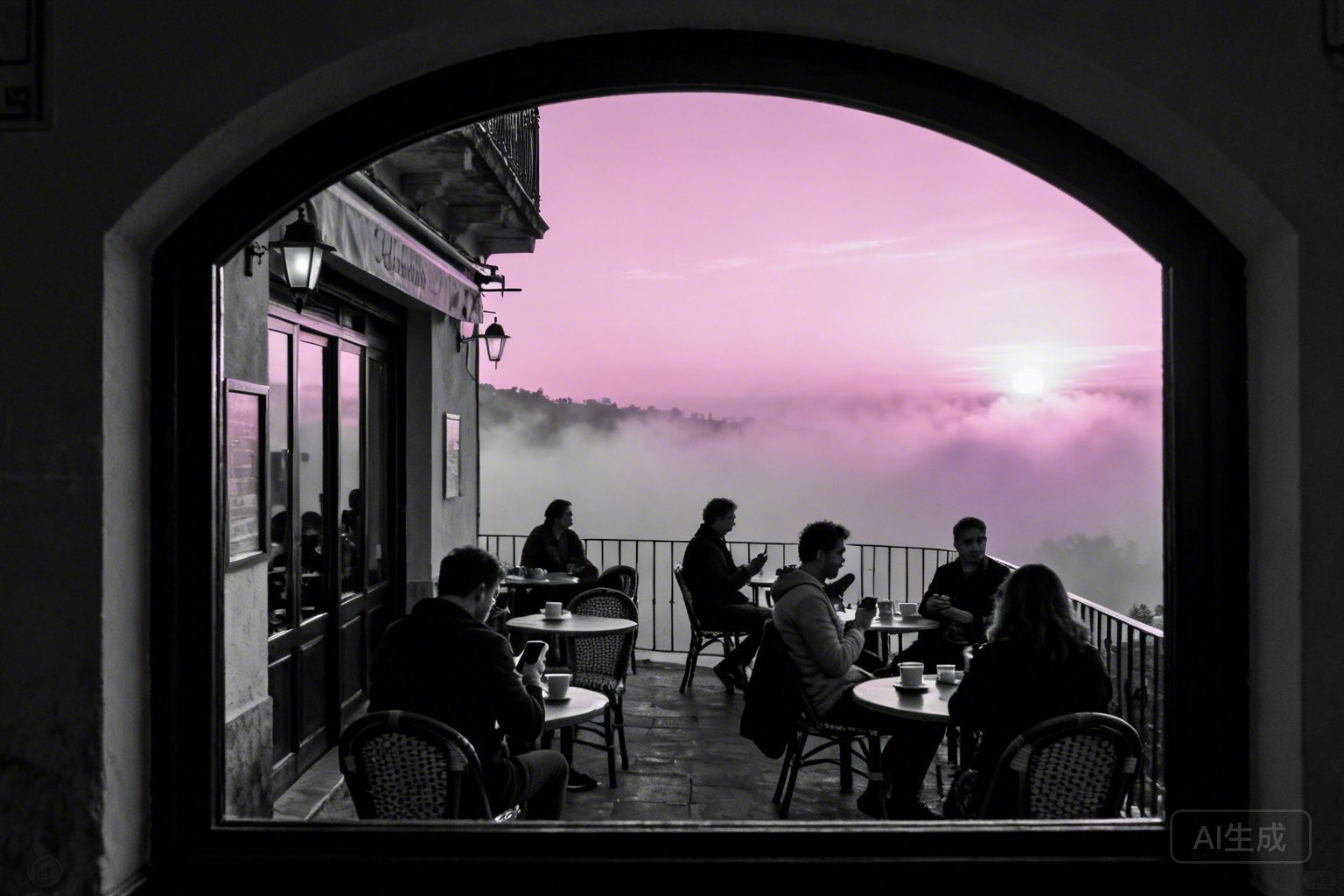
The dawn in Cusco does not arrive with a whisper; it breaks with the sharp, metallic clang of bells from the Basilica of la Merced, a sound that vibrates through the floorboards of a hostel bed that smells faintly of eucalyptus and unfinished dreams. At 11,152 feet, the air is not merely thin; it is a physical presence, a cold, invisible silk that catches in the back of your throat. To arrive here on a shoestring is not an act of poverty, but a strategic surrender to the city’s unvarnished soul. You are not shielded by the sanitized glass of a luxury bus or the hushed, carpeted hallways of the Belmond. Instead, you are pressed against the damp, volcanic stone of the Incas, feeling the thrum of a civilization that refused to be buried.
I stepped out onto the Calle del Medio as the light began to spill over the jagged teeth of the Andes. The sky was the color of a bruised plum. A woman in a felt montera hat, her face a cartography of eighty Andean winters, was scrubbing a doorstep with a brush that looked like it had been carved from the spine of a mountain goat. She didn’t look up. The rhythm of her work was the rhythm of the city: relentless, tactile, and ancient. This is the first lesson of Cusco: the best things—the light hitting the gold-leafed altars of the Plaza de Armas, the scent of roasting corn, the gravity of history—cost absolutely nothing.
1. The Silent Liturgy of the Plaza de Armas (Cost: Free)
Before the tour groups descend with their neon umbrellas and rehearsed enthusiasm, the Plaza de Armas belongs to the pigeons and the ghosts. I sat on a wrought-iron bench, the metal cold enough to bite through my jeans. The cathedral loomed behind me, a tectonic masterpiece built atop the foundations of the Kiswarkancha palace. The Spaniards thought they were erasing a culture, but they were merely layering it. Look closely at the stones; the Incan masonry at the base is tight enough to defy a razor blade, while the colonial mortar above it crumbles like dried cake.
A frantic office worker hurried past, his tie fluttering over his shoulder like a desperate signal flare. He clutched a leather briefcase and a plastic cup of *api*—a thick, purple corn drink that steamed in the frigid morning. He represents the modern Cusco: a man caught between the digital urgency of the 21st century and the slow, geological pace of the stones beneath his feet. Watching the city wake up here is a masterclass in endurance.