Don’t Be Bored! 15 Unique and Fun Things to Do in Barcelona!
The Amber Hour in the Labyrinth
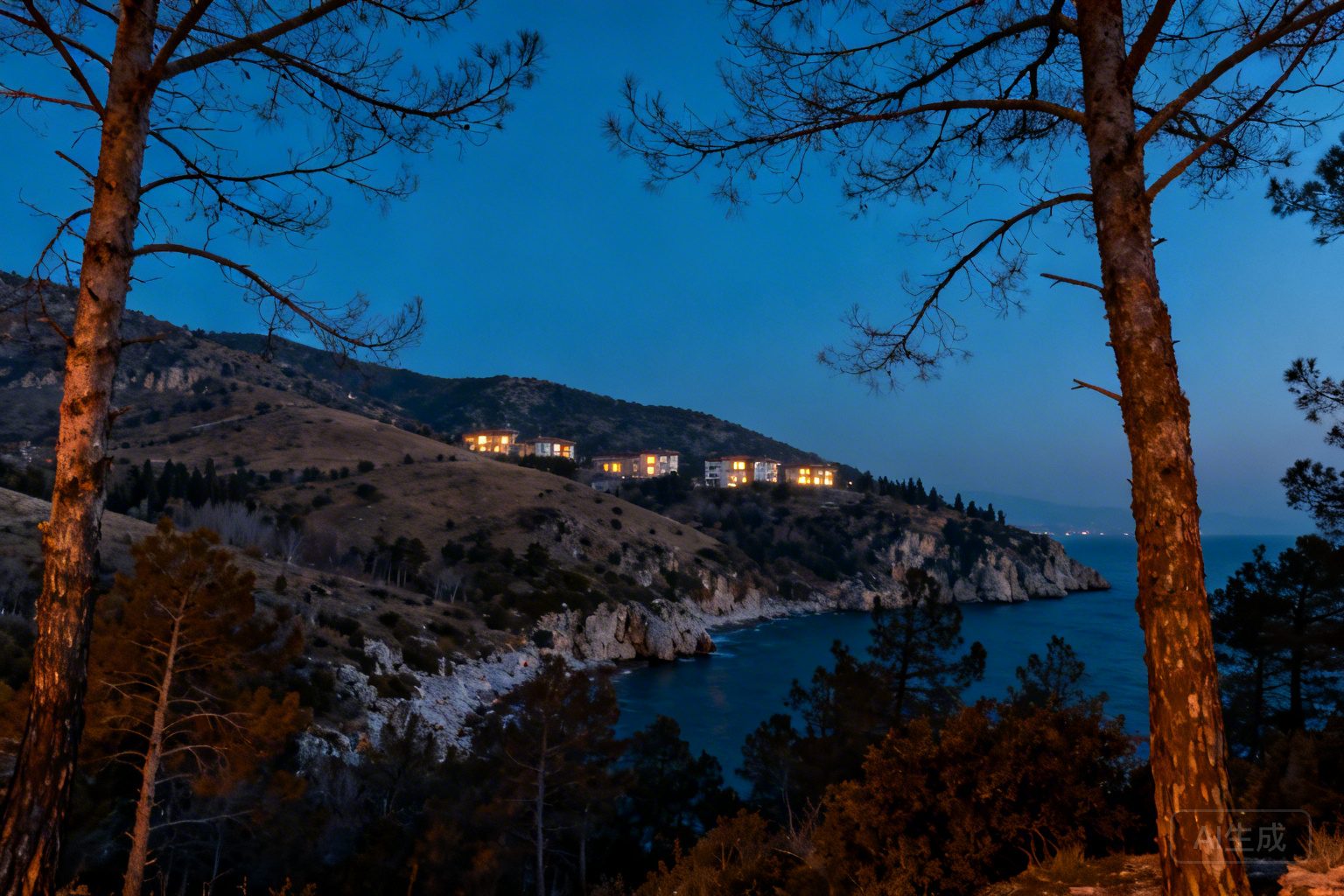
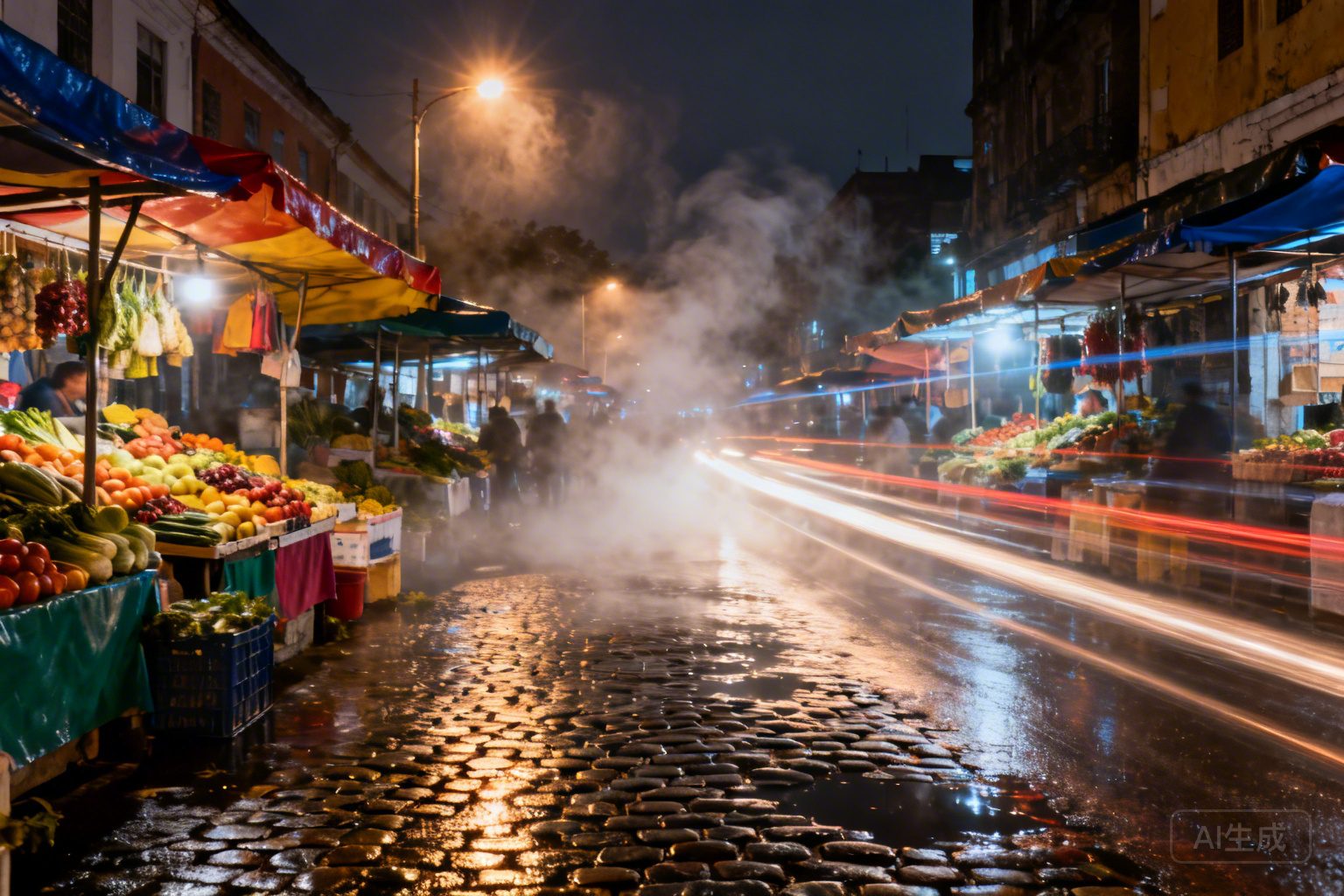
The light in Barcelona does not simply shine; it colonizes. By four in the afternoon, the Mediterranean sun has lost its midday arrogance and turned into something thick and honeyed, a viscous amber liquid that pours down the narrow, jagged veins of the Barri Gòtic. Here, the air tastes of damp limestone and the burnt sugar of a thousand hidden bakeries. To be bored in this city is not a failure of the destination, but a failure of the soul. It is a city that demands your peripheral vision, your sense of smell, and a willingness to get lost in a geography that hasn’t made sense since the Middle Ages.
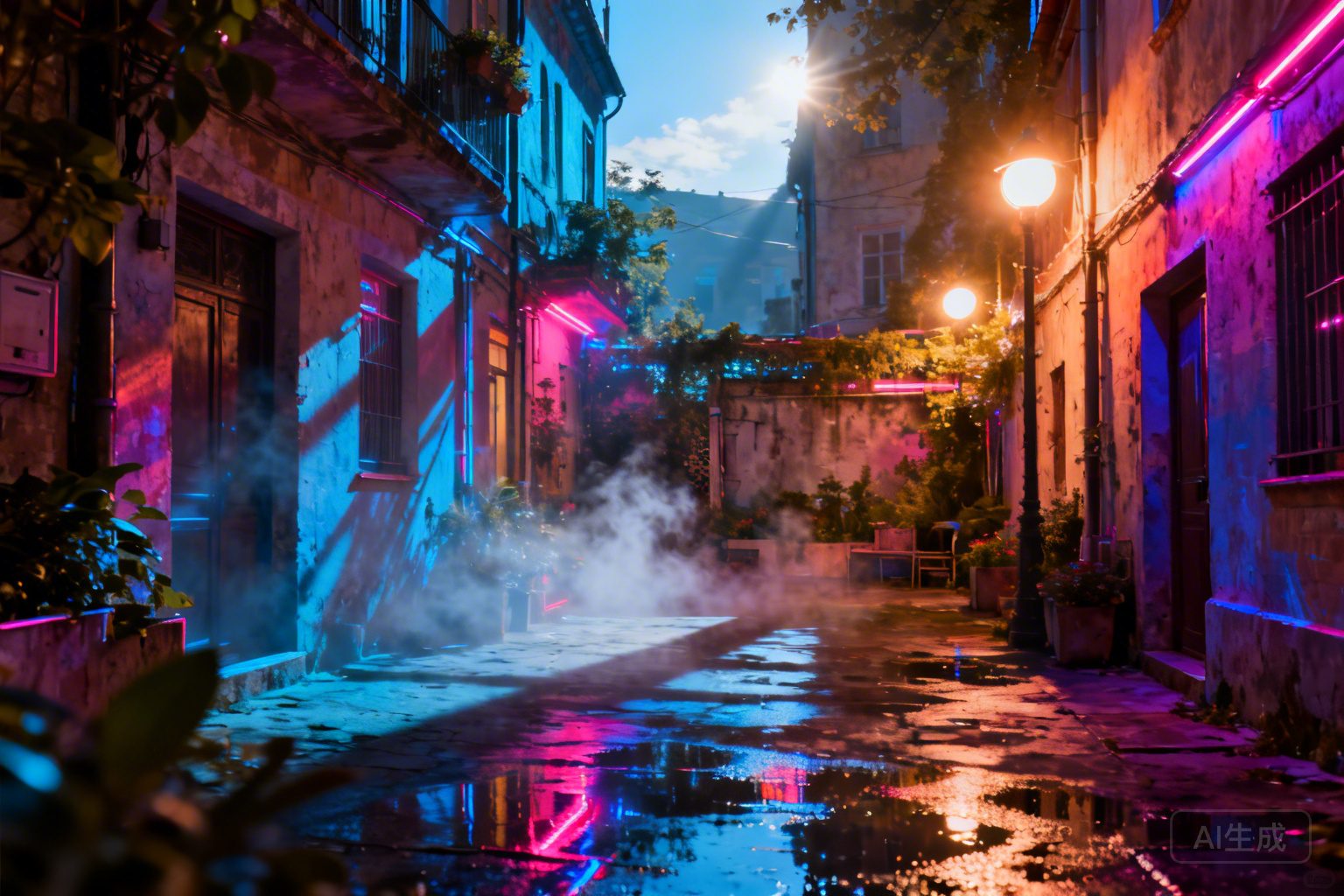
I stand at the corner of Carrer del Bisbe, watching a man in a tattered navy waistcoat scrub the steps of a doorway that has been weathered into the texture of dried driftwood. He moves with a rhythmic, bone-deep exhaustion, his brush rasping against the stone—scritch, scritch, scritch—a metronome for the district. Above him, a gargoyle with a chipped snout stares down with stony indifference. The shadows here are long and blue, smelling of cold laundry and ancient dust. To understand Barcelona, you must first accept that you are an intruder in a conversation between the past and the present that has been going on for two millennia.
1. The Subterranean Ghost of Barcino
Most tourists hover on the surface, but the true weight of the city lies beneath the Plaça del Rei. Descending into the MUHBA (Museu d’Història de Barcelona) is an exercise in chronological vertigo. You step into an elevator and travel twenty feet down, but two thousand years back. The air grows still and metallic. Here, you walk on glass walkways over the skeletal remains of Roman Barcino. You see the vats where they fermented garum—that pungent, fermented fish sauce the Romans loved with a fervor that borders on the pathological. You can almost smell the ghost of the salt and the rot. It is silent down here, a stark contrast to the frantic clatter of heels on the cobblestones above. It is a reminder that the city is a palimpsest; every generation just writes its name over the faded ink of the last.
2. The Vertical Veranda of the Bunkers del Carmel
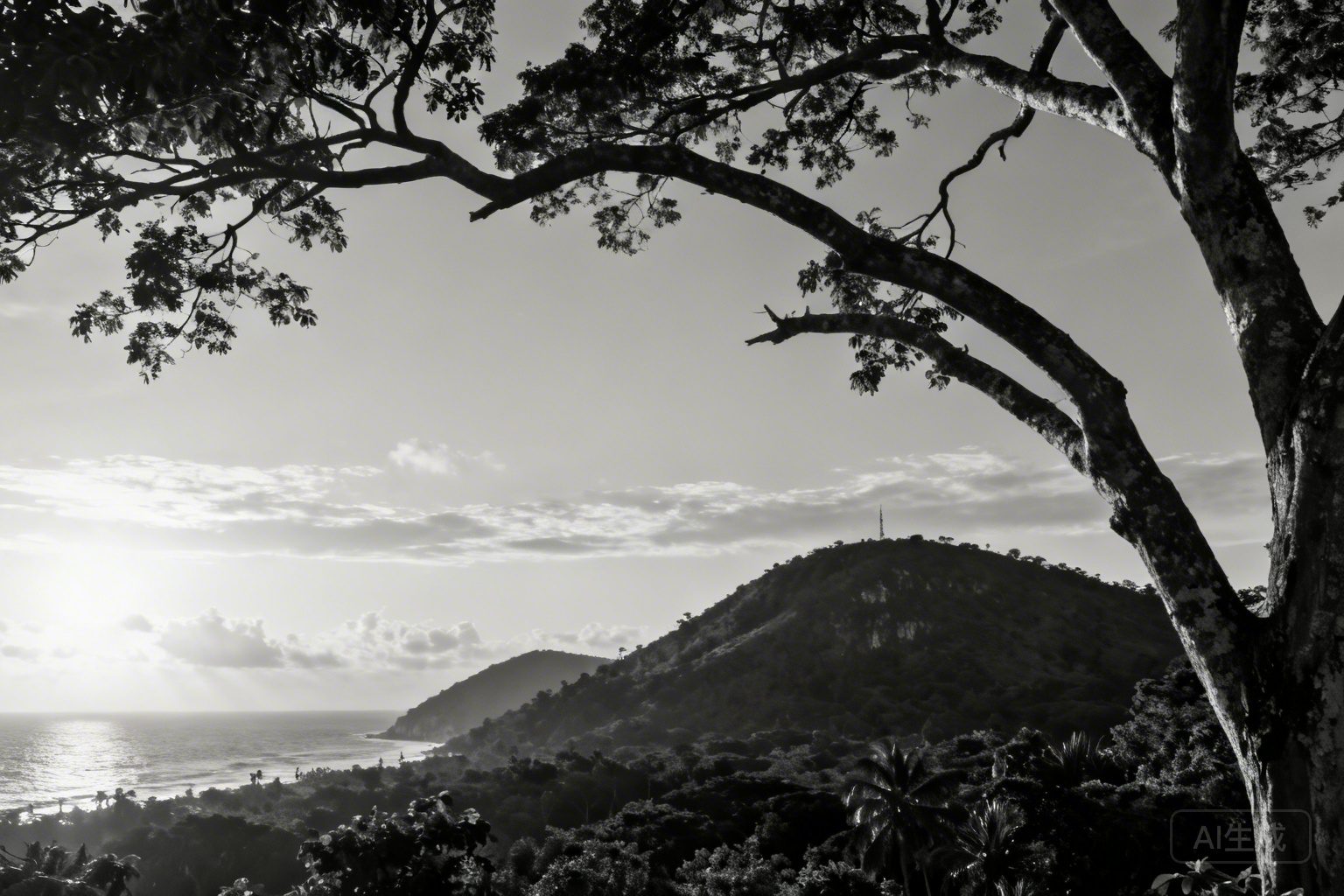
The wind at the Bunkers del Carmel has a specific pitch—a low, whistling moan that carries the scent of pine needles and exhaust fumes from the Horta district below. To get here, you must climb until your calves scream. This is not a polished monument; it is a scarred concrete relic of the Spanish Civil War, now reclaimed by the youth of the city. I see a girl with neon-green hair sitting on the edge of a jagged parapet, her legs dangling over a three-hundred-foot drop, nonchalantly peeling an orange. The zest sprays into the air, a sharp, citrusy punctuation mark against the smoggy horizon. From here, the Sagrada Família looks like a melting sandcastle, and the grid of the Eixample stretches out like a perfectly ironed linen shirt. It is the only place where the chaos of Barcelona feels organized.