Don’t Be Bored! 15 Unique and Fun Things to Do in Warsaw!
The Phoenix’s Fever Dream: A Descent into Warsaw
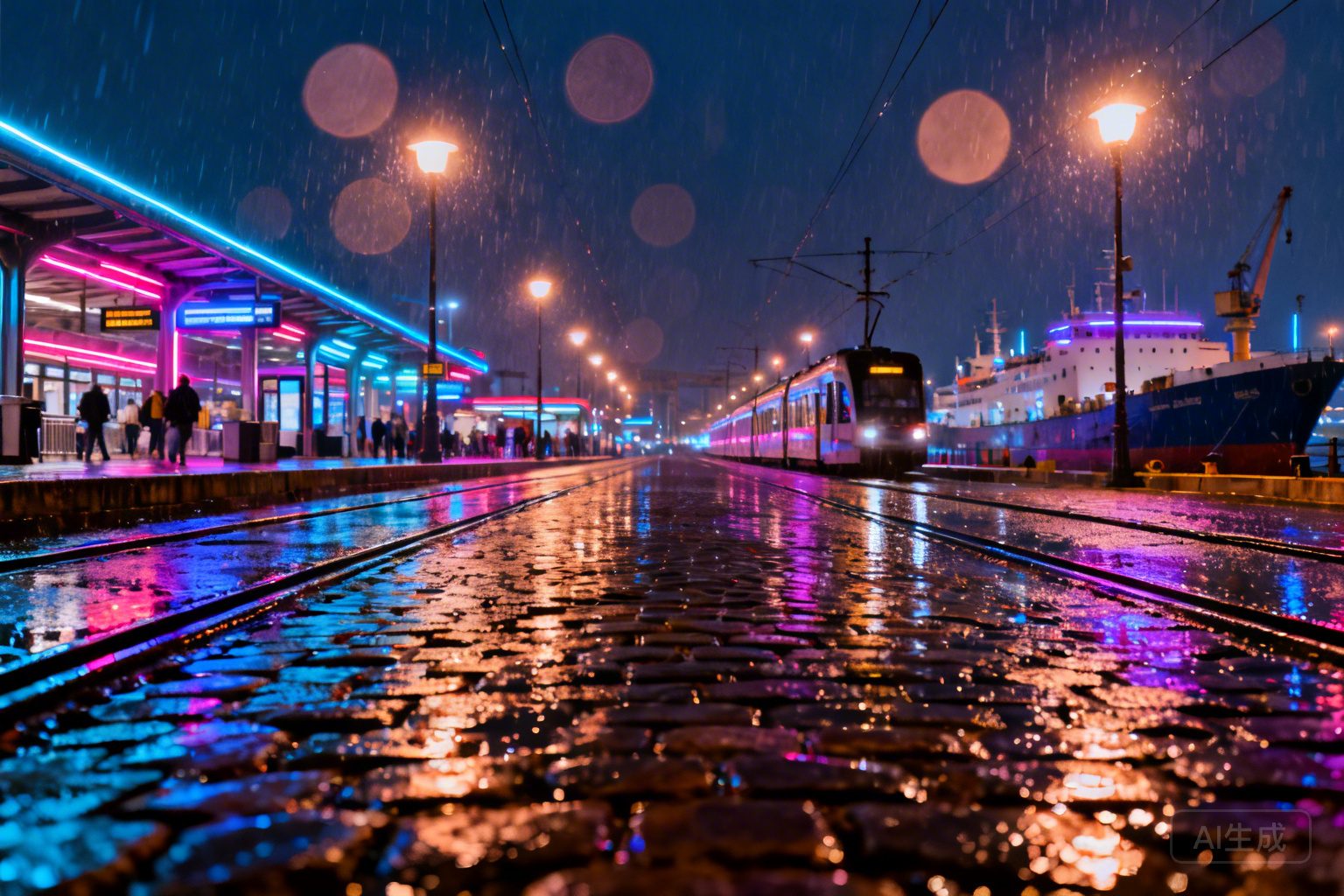
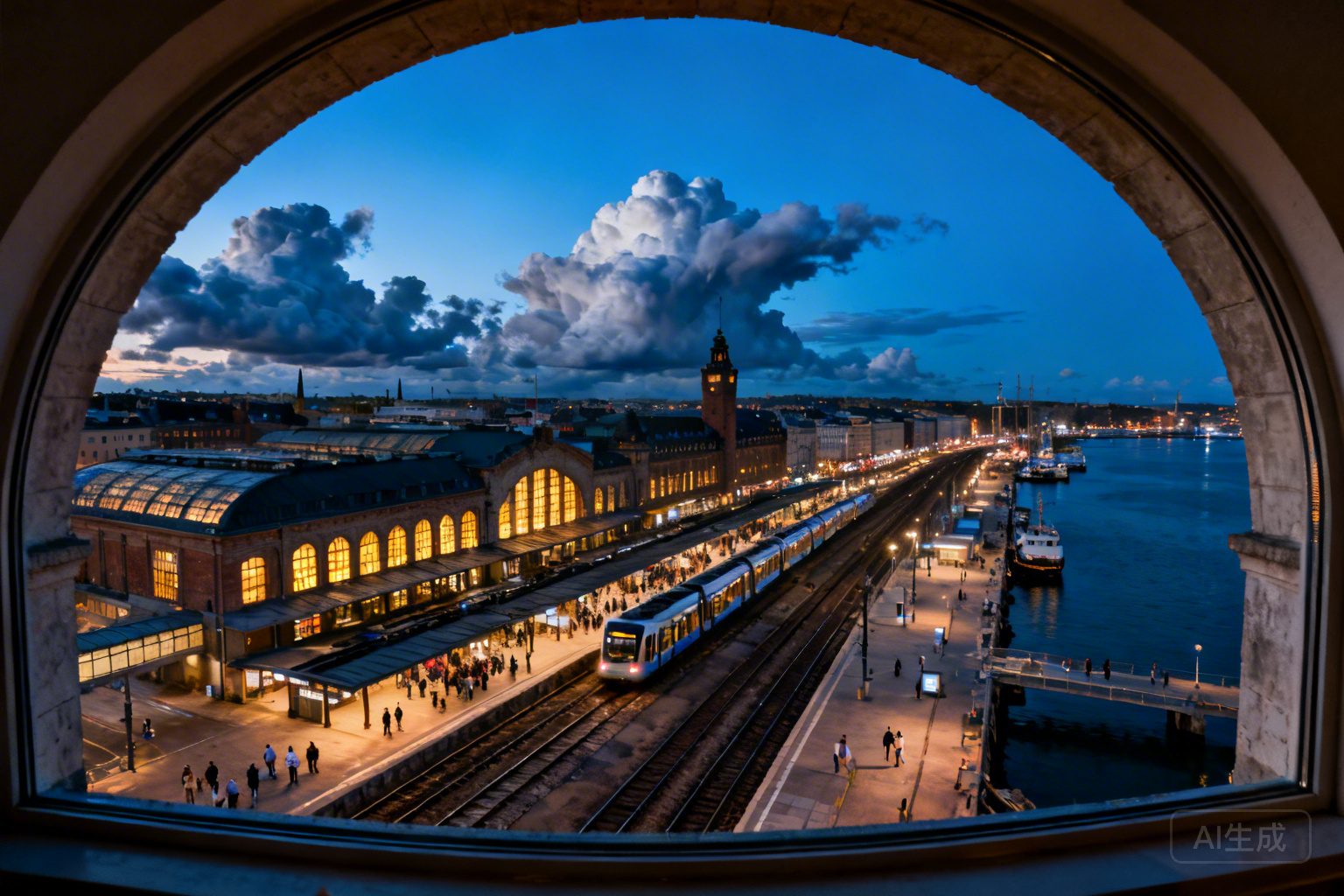
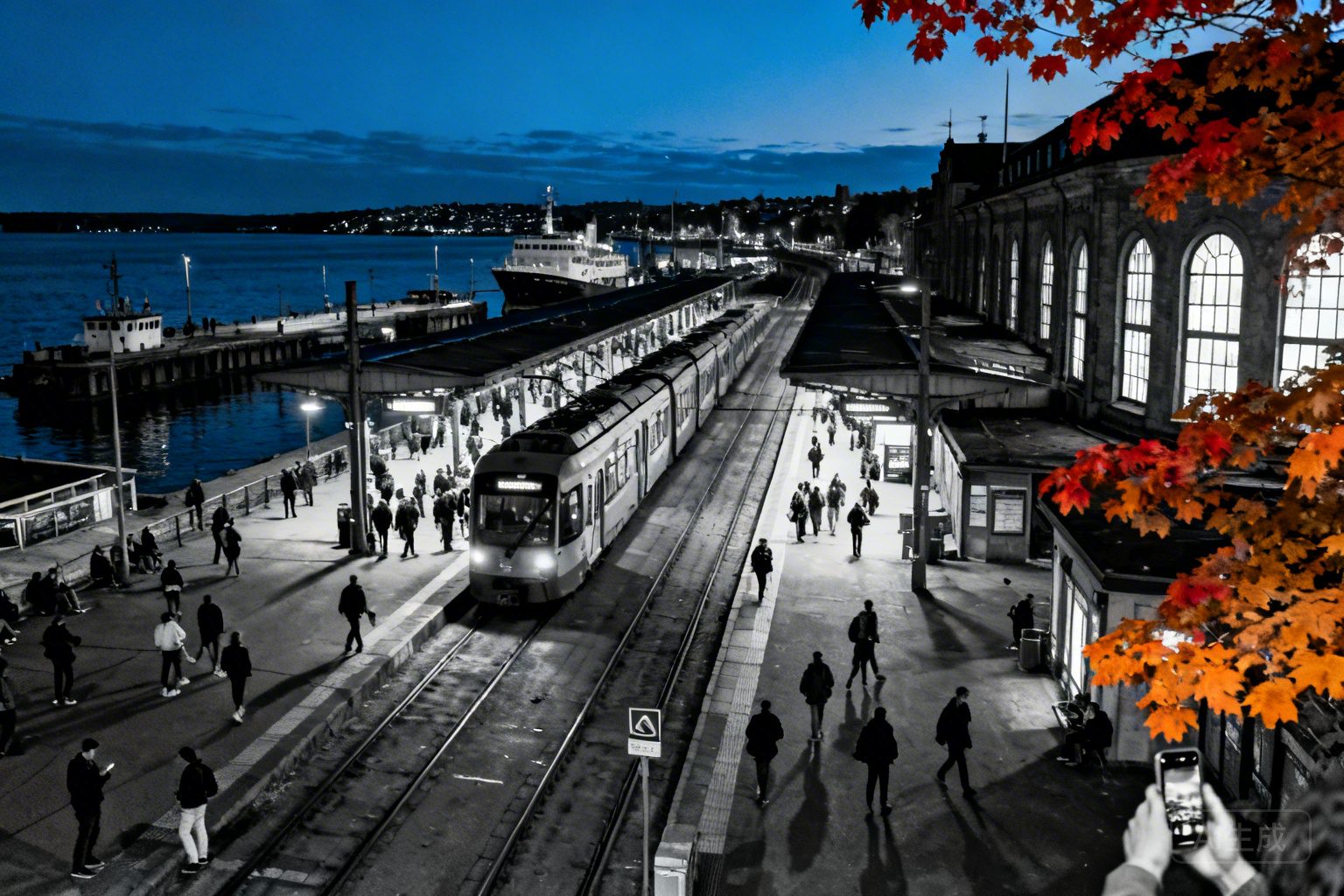
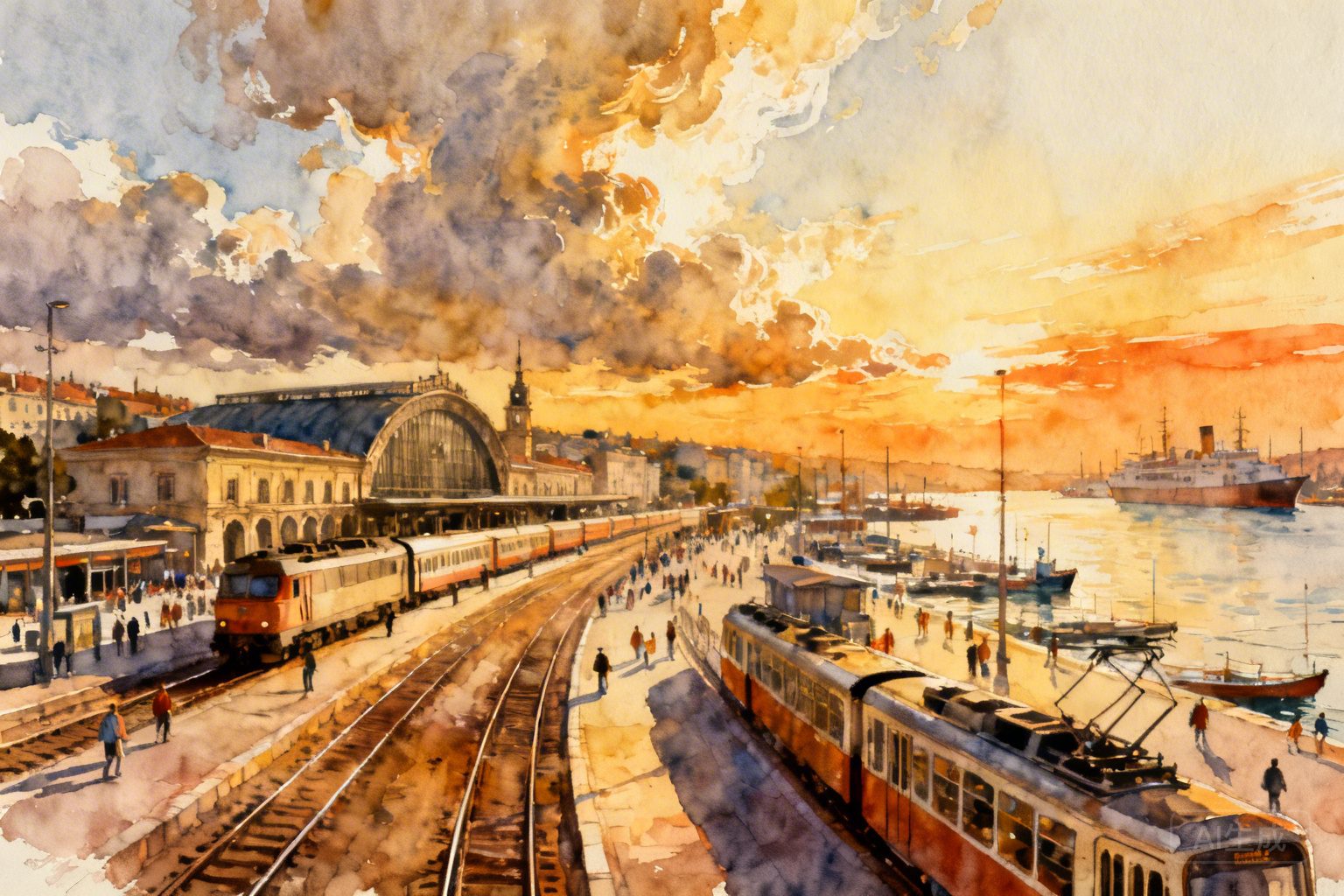
Warsaw does not ask for your love; it demands your stamina. It is a city built on the tectonic plates of trauma and rebirth, a place where the concrete still seems to hum with the vibrations of heavy artillery and the relentless, frantic scratching of a million souls rebuilding their lives from the dust. To arrive here is to step into a grayscale photograph that has been aggressively hand-painted in neon. The air on the platform at Warszawa Centralna smells of ozone, damp wool, and the metallic tang of history being constantly overwritten. The wind, whipping through the subterranean tunnels, carries a chill that feels less like weather and more like an intentional snub from the Baltic. Do not be bored. To be bored in Warsaw is to admit a failure of the imagination. It is a city that rewards the pry-bar and the midnight wanderer.
I stepped out onto Aleje Jerozolimskie and watched a woman in a vintage faux-fur coat argue with a ticket machine. Her fingers, tipped with claws of chipped obsidian polish, danced over the glass with a practiced, cynical grace. She is the Warsaw archetype: brittle on the surface, reinforced with rebar underneath. Here, the past isn’t a museum; it’s a stubborn ghost that refuses to vacate the premises.
1. The Neon Museum: Electric Ghosts of the Cold War
Deep in the heart of Praga—a district that retains the grit the left bank has polished away—lies the Soho Factory. Here, the Neon Museum glows with the radioactive hum of a vanished empire. These are not the tawdry, blinking lights of a modern casino. No, these are the massive, graceful scripts of the “neofication” era, when the state decided that socialism should sparkle. I ran my thumb along the cold tubing of a giant “Kino” sign. The glass felt smooth, clinical, yet it pulsed with a ghostly warmth. The light is a specific shade of Soviet turquoise—a color that feels like a chemical spill in a dream.
The curator, a man with spectacles thick as paperweights and a voice like dry parchment, watched me. He didn’t speak. He simply adjusted a wire, and the room flickered, casting long, spindly shadows of a stylized mermaid against the exposed brick. In this flickering half-light, the 1960s feel closer than yesterday.