Don’t Get Fooled! 10 Common Baku Tourist Traps and Where to Go Instead!
The Wind’s Long Memory
The wind in Baku—the *khazri*—does not merely blow; it interrogates. It arrives from the obsidian depths of the Caspian, smelling of salt spray and the ancient, metallic tang of crude oil, whipping around the corners of limestone mansions with a ferocity that suggests it is looking for something it lost centuries ago. I stood on the corner of Istiglaliyyat Street, my coat snapping like a flag, watching a frantic office worker in a slim-cut Italian suit struggle with a transparent umbrella. The plastic ribbing groaned and then inverted, snapping with a sound like a small bone breaking. He didn’t swear. He simply stared at the ruined object with a look of profound, weary betrayal, his silhouette framed by the Gothic revival arches of the Ismailiyya Palace.
Baku is a city of layers, a palimpsest where the Soviet concrete scars the face of oil-boom opulence, and the glass flames of the modern skyline lick at the edges of a medieval heart. It is a city that wants to show you its gold teeth while hiding its calloused hands. To the uninitiated, the glitter of the Neftchilar Avenue boutiques is a siren song, but for those who look closer—who feel the grit of the dust between their teeth—the real Baku lies in the shadows of the trap. This is a guide for the restless, a map through the illusions of the Land of Fire.
1. The Lure of the Nizami Street “Antiques”
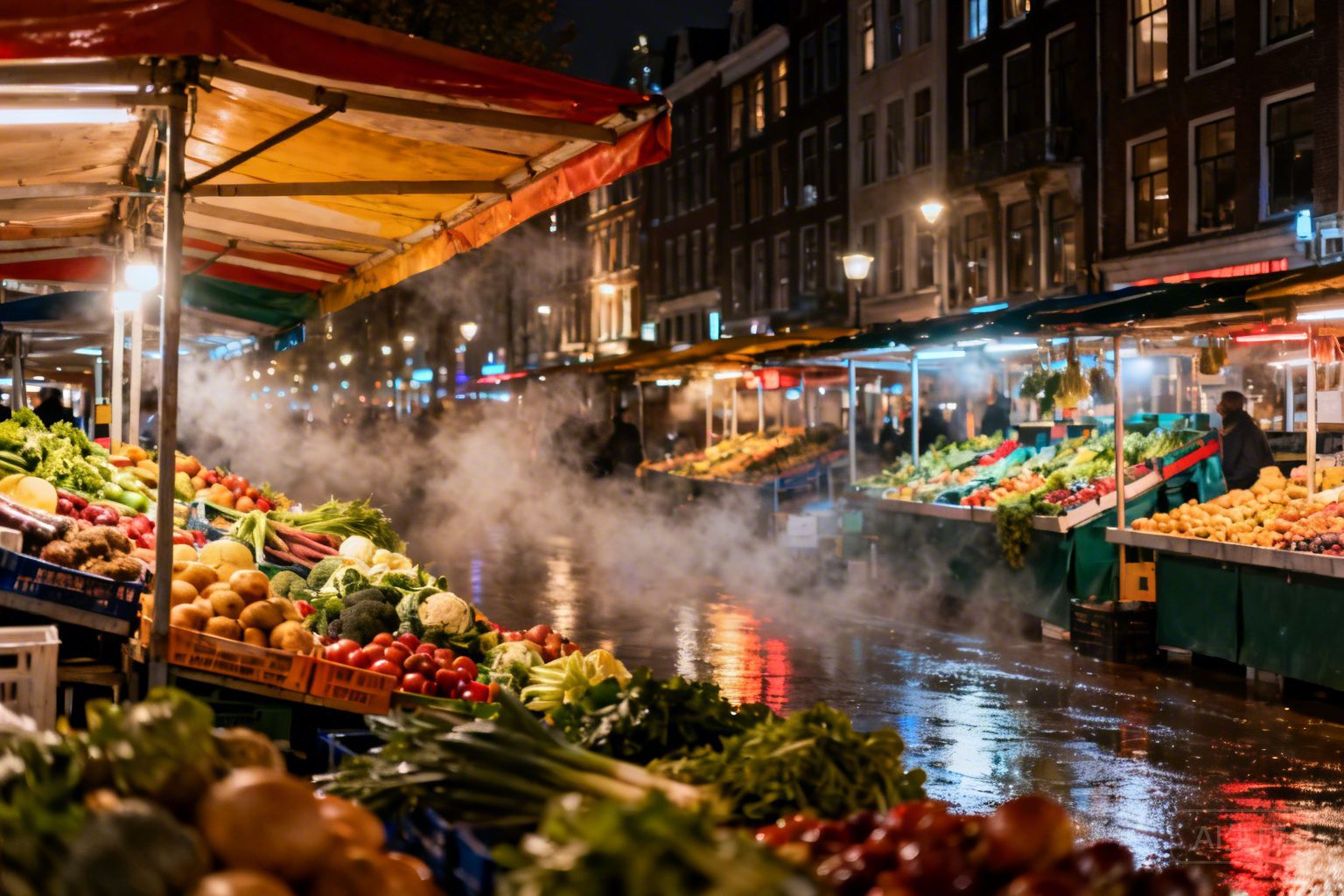
Walking down Nizami Street, the “Torgovaya,” is like walking through a gilded fever dream. The architecture is a frantic mashup of Baroque and Neoclassical, illuminated by chandeliers that hang over the cobblestones as if the sky itself were a ballroom. Here, vendors with eyes like polished agates will beckon you into velvet-lined shops. They offer “ancestral” daggers and “19th-century” carpets that smell suspiciously of tea-staining and synthetic dye.
The trap is the provenance. That silver *khamsa*? It was stamped in a factory in the suburbs three weeks ago. Instead, turn your back on the neon and head toward the **Icherisheher (Old City) back-alleys**, specifically near the Double Gates. Here, you might find the silent collector. He doesn’t have a sign. He sits on a low wooden stool, his skin the texture of a dried apricot, polishing a single brass samovar. He won’t shout at you. He will wait for you to prove you know the difference between a tourist trinket and a relic of the Silk Road.