Don’t Miss Out! The 5 Wildest Festivals in Auckland You Need to Experience!
The Humidity of Anticipation: A Prelude in Queen Street
Auckland is not a city that asks for your permission; it is a city that happens to you, usually while you are looking for an umbrella. The air here doesn’t just hang; it clings, a saline-heavy shroud that smells of diesel fumes, roasted Arabica beans, and the ancient, brooding breath of fifty-three dormant volcanic cones. I found myself standing at the corner of Queen and Customs Streets, the architectural heart of the city where the Victorian grit of the Ferry Building meets the glass-and-steel arrogance of the new commercial towers. The wind here has a specific pitch—a low, mournful whistle that whips around the corners of the Gucci store, carrying with it the faint, metallic tang of the Waitematā Harbour.
I watched a frantic office worker, his tie loosened to a precarious degree, dodging a silent Buddhist monk whose saffron robes seemed to absorb the grey morning light. The waiter at the nearby bistro, a man with skin the texture of a sun-dried tomato and an attitude that suggested he had personally invented the concept of espresso, slammed a saucer onto a marble tabletop with a crack that sounded like a pistol shot. This is the baseline of Auckland: a restless, jittery energy. But when the festival season descends, this baseline erupts into a fever dream. To understand Auckland, you cannot simply visit its monuments; you must lose yourself in its revelry.
1. Pasifika: The Heartbeat of Western Springs
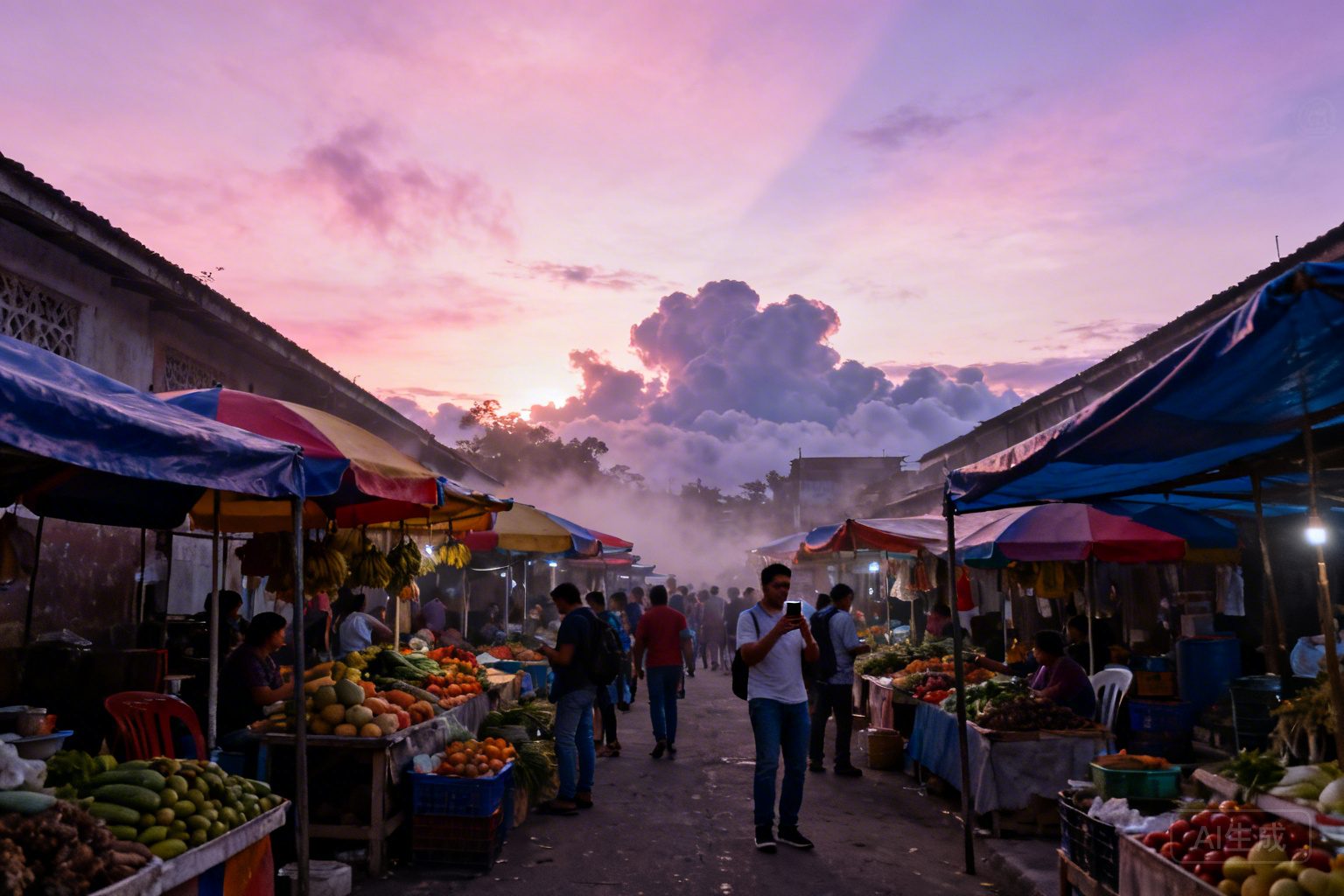
The transition from the sterile corridors of the CBD to the lush, sprawling meadows of Western Springs is a sensory ambush. At the Pasifika Festival, the air undergoes a fundamental chemical change. It thickens with the scent of umu—earth-ovens breathing out the smoky, caramelised sweetness of taro and slow-roasted pork. This isn’t just a festival; it’s a continental migration condensed into a few hectares of volcanic soil.
I walked past a stall where a woman with forearms as thick as saplings was weaving flax. Her fingers moved with a terrifying, rhythmic precision, the dried fibers clicking like knitting needles. The textures here are visceral: the rough, sand-paper grit of hand-carved tapa cloth, the oily sheen of coconut husks, the cold, sweating glass of a pineapple slushie. The soundscape is a cacophony of Pacific identity—the thunderous, chest-rattling boom of the Cook Islands drums competing with the delicate, liquid harmonies of a Tongan choir.