Don’t Miss Out! The 5 Wildest Festivals in Baku You Need to Experience!
The Ghost in the Flame: Living Through Baku’s High-Octane Calendar
I’ve been living in a drafty, high-ceilinged apartment in the Nasimi district for four months now, and if there’s one thing I’ve learned about Baku, it’s that the city is a master of the “slow-burn” transition. One minute you’re sipping tea in a quiet courtyard under a pomegranate tree, and the next, the entire city is vibrating with the bass of a techno stage or the roar of a Formula 1 engine. This isn’t the sanitized, souvenir-shop version of Azerbaijan you see on travel brochures. This is the grit, the oil, the Caspian salt, and the neon-lit late nights of a city trying to outrun its own history.
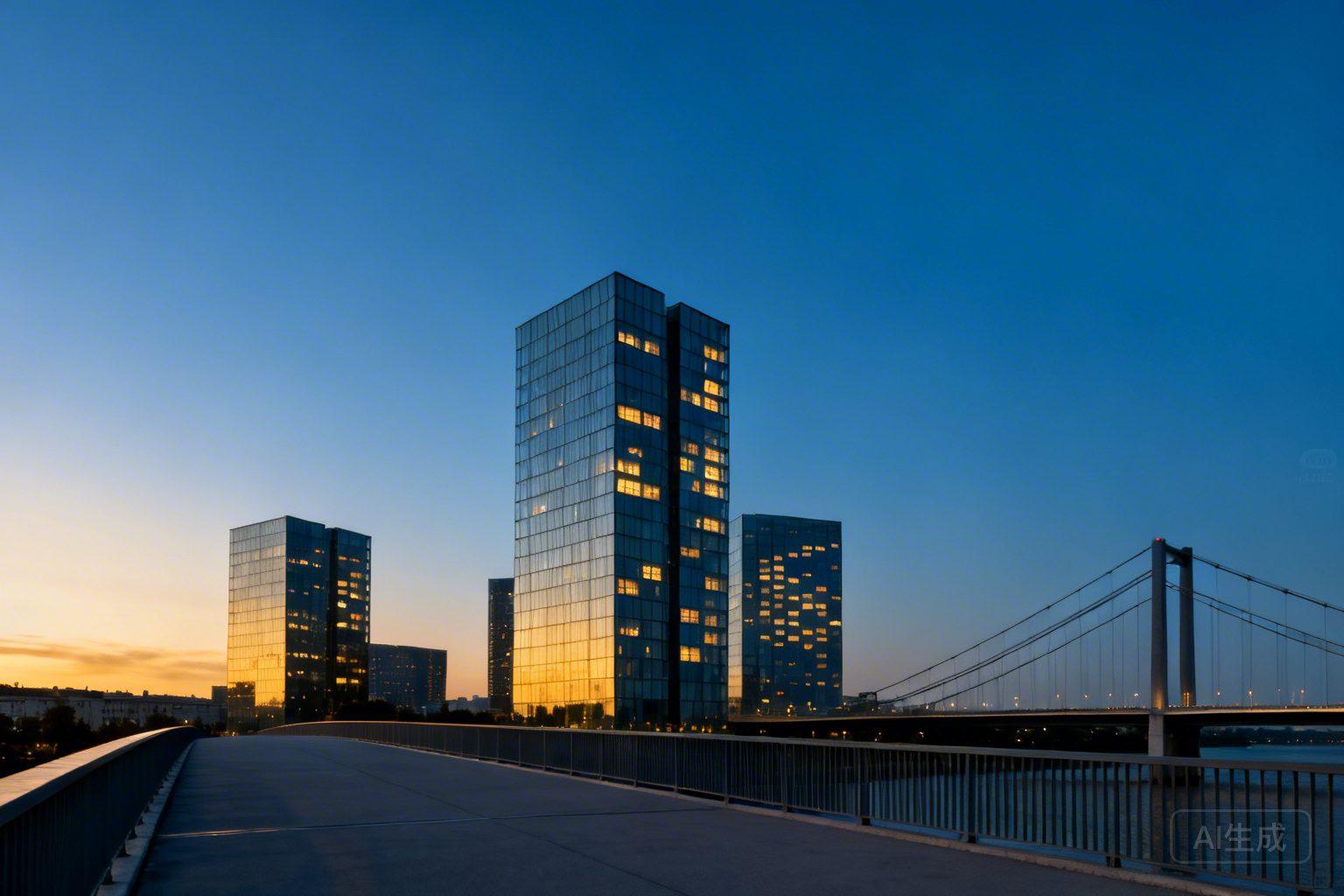
To disappear here, you have to understand that Baku is a city of layers. You have the “White City” glitz, the Soviet concrete remnants, and the ancient labyrinth of the Icherisheher. But the real magic happens during the festivals—those moments when the local social fabric stretches and tears just enough for a wanderer like you to slip inside unnoticed. If you want to stop being a tourist and start being a ghost in the machine, you need to time your arrival with these five chaotic, beautiful, and sometimes baffling celebrations.
1. Novruz Bayram: The Fire-Jumper’s Initiation
Forget New Year’s Eve. In Baku, the real calendar reset happens in March with Novruz. This isn’t just a festival; it’s a month-long psychological shift. I remember my first Tuesday of Novruz (there are four, each dedicated to an element). I was walking through a back alley near the Taza Pir Mosque when a group of kids, no older than ten, beckoned me over to a small bonfire they’d built out of old shipping pallets. They didn’t speak a word of English, but the rule was clear: jump over the fire to leave your bad luck in the flames.
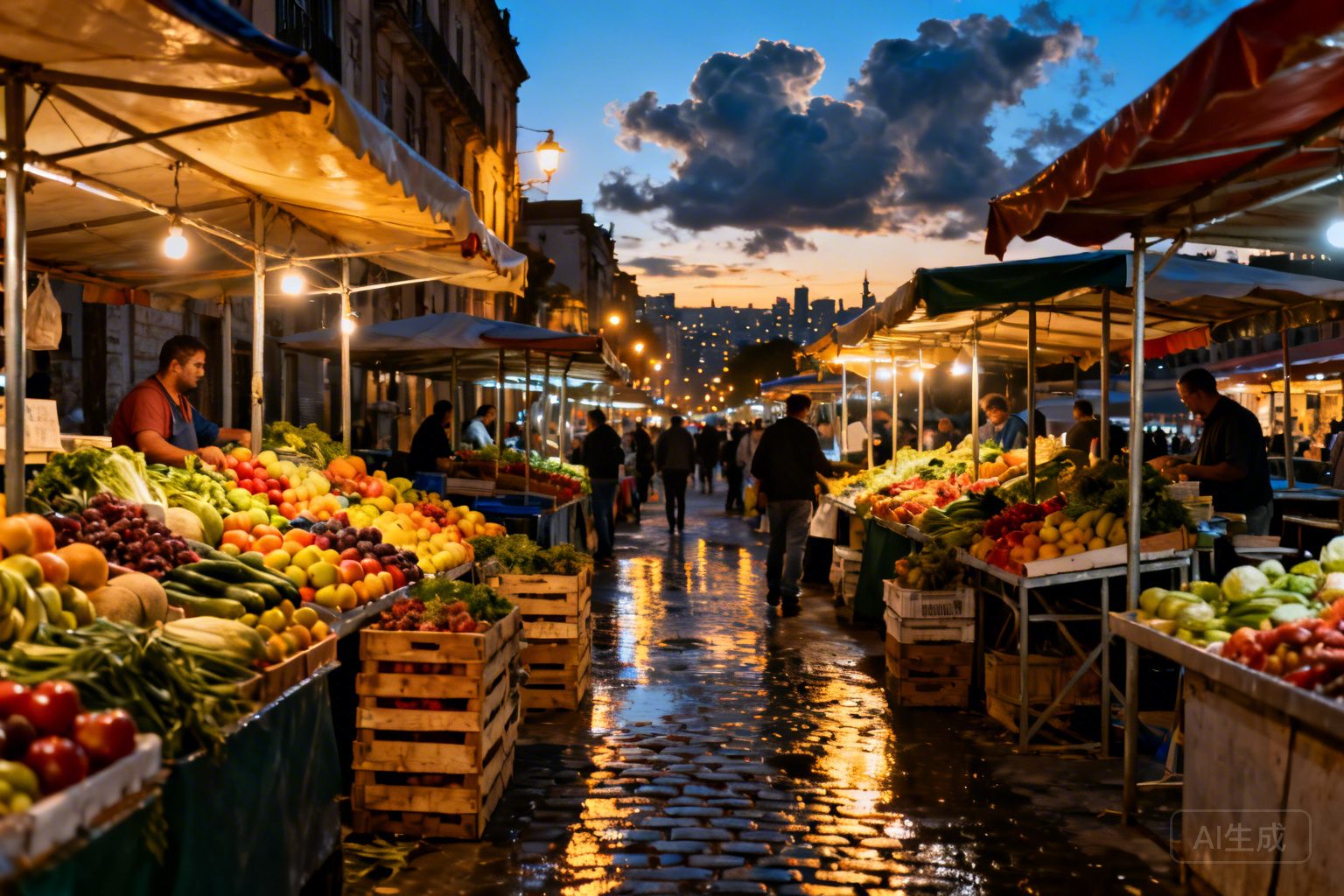
The “Wild” factor here isn’t a parade—it’s the neighborhood spontaneity. Every courtyard in the Sovetsky area (or what’s left of it) turns into a communal kitchen. You’ll see grandmothers handing out pahlava and shakerbura to anyone who looks hungry. The unwritten rule? You never refuse the third offering of tea. It’s considered a slight against the household’s hospitality. Tipping isn’t expected in these residential interactions, but bringing a small bag of high-quality nuts or dried fruits from the Green Bazaar (Yashil Bazar) will make you a legend among the neighborhood elders.