Don’t Miss Out! The 5 Wildest Festivals in Bangkok You Need to Experience!
The Humidity of Anticipation: A Prelude in Gray and Gold
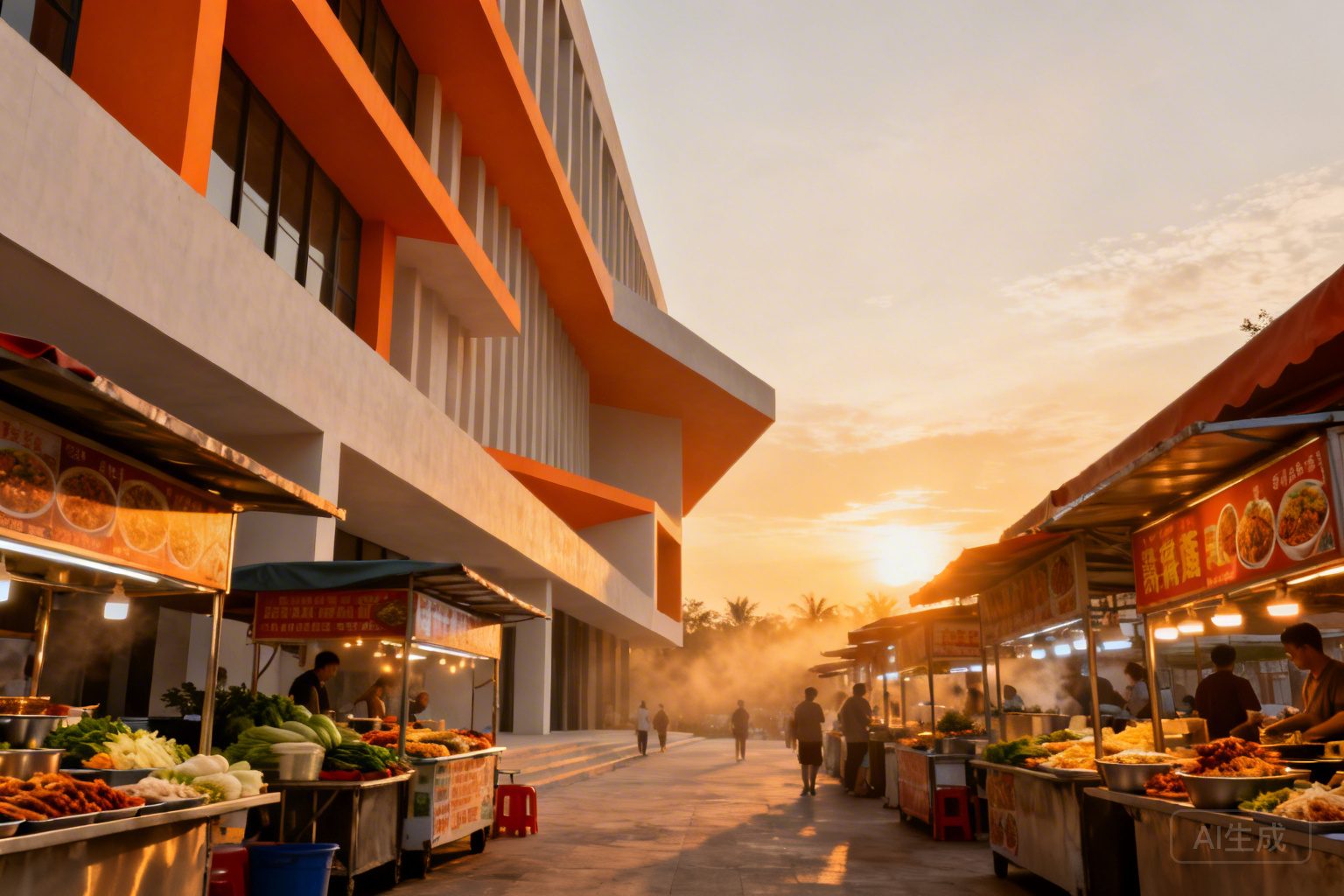
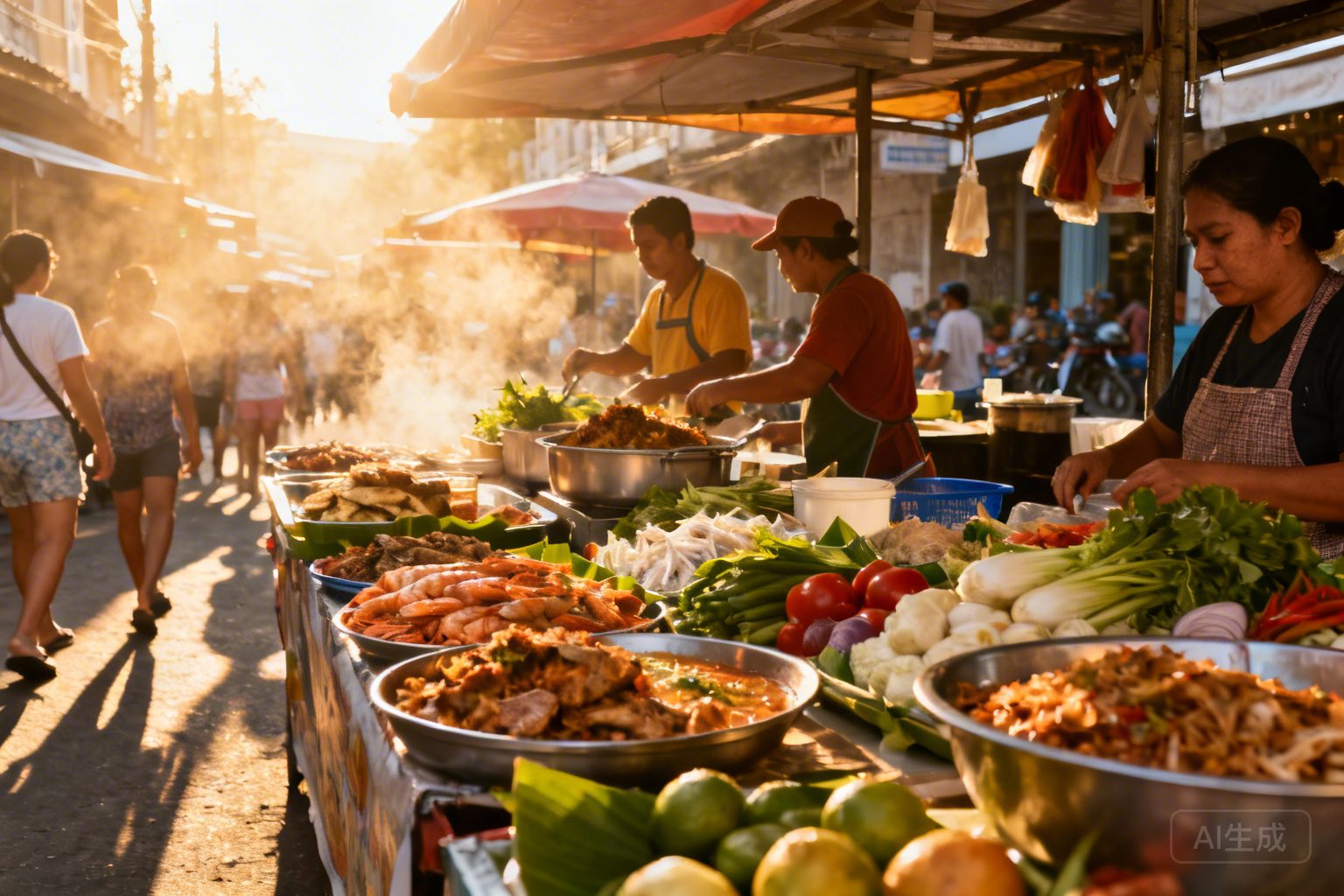
Bangkok does not breathe; it heaves. It is a city built on a swamp that has spent centuries trying to reclaim its territory, a humid, claustrophobic sprawl where the scent of diesel exhaust battles the cloyingly sweet aroma of jasmine garlands wilting on rearview mirrors. To arrive here is to be folded into a damp, chaotic embrace. The air is heavy, a physical weight that settles on your skin like a wet wool coat, smelling of charred pork fat and the ozone of an impending monsoon. I find myself standing on the corner of Sukhumvit Soi 11, watching a line of ants march with terrifying geometric precision across the peeling teal paint of a 100-year-old teak door, while above us, a tangle of black electrical wires hums with the frantic energy of ten million souls.
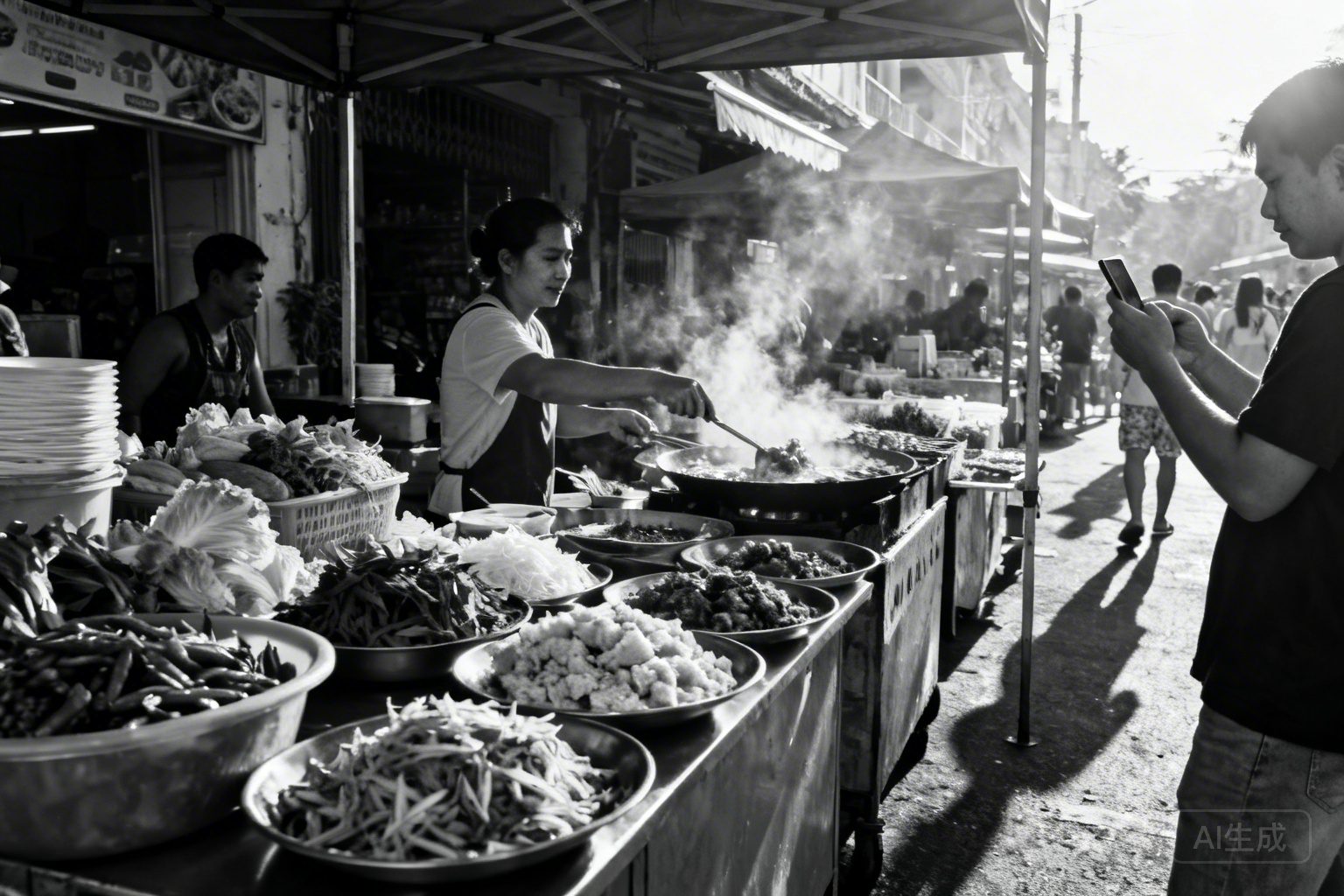
The city is a contradiction of silence and scream. You see it in the people: the brusque waiter at the corner noodle stall who flicks his wrist with the boredom of a card shark as he tosses bok choy into a boiling vat; the silent monk in saffron robes that glow with an almost radioactive intensity against the dull gray of the concrete overpass; the frantic office worker in a crisp white shirt, dodging motorbikes with a grace that borders on the suicidal. They are all waiting for the release. They are waiting for the festivals—those brief, violent, beautiful ruptures in the mundane reality of the tropical grind.
1. Songkran: The Baptism of the Concrete Jungle
April in Bangkok is not a season; it is an endurance test. The sun is a white-hot hammer, flattening the shadows until the city feels two-dimensional. This is when Songkran arrives, the Thai New Year, transforming the metropolis into a theater of hydraulic warfare. But to call it a “water fight” is to call the sun a “lightbulb.” It is a collective, city-wide purging, a sensory overload that blurs the line between devotion and delirium.
I walked down Silom Road, where the sky was obscured by a mist so thick it tasted of plastic and lime. The sound was a roar—a cacophony of Thai pop blasting from speakers dampened by spray and the rhythmic, high-pitched shrieks of teenagers dousing passersby with ice-cold water. The shock of the cold is visceral. It hits your lower back, stealing your breath, reminding you that you are alive and vulnerable. I watched an elderly woman, her face a map of deep-set wrinkles like dried riverbeds, gently smear white talcum paste onto the cheeks of a terrified tourist. It was a gesture of blessing, yet her eyes held the mischievous glint of a child holding a firecracker.