Don’t Miss Out! The 5 Wildest Festivals in Cartagena You Need to Experience!
The Humidity of History
The air in Cartagena de Indias does not circulate; it clings. It is a wet wool blanket soaked in salt and jasmine, pressing against your sternum from the moment you descend the aircraft stairs. By the time you reach the Torre del Reloj—the sun-bleached yellow gate that serves as the city’s porous heart—the sweat has already mapped a new geography across your linen shirt. Here, the 17th-century coral stone walls don’t just block the Caribbean; they breathe. They exhale the ghosts of Spanish galleons, the metallic tang of blood from the Inquisition, and the saccharine rot of overripe mangoes discarded in the gutter.
To the uninitiated, Cartagena is a postcard of bougainvillea-draped balconies and emerald-green shutters. But to those who track the lunar cycles and the shifting winds of the Atlantic, it is a city of perpetual, explosive theater. The festivals here aren’t mere events; they are seismic shifts in the local psyche. They are the moments when the rigid colonial geometry of the Old City collapses under the weight of African drums and indigenous flutes. If you aren’t careful, the city will swallow you whole, leaving you breathless in a plaza at 4:00 AM, wondering how a place so ancient can feel so violently alive.
1. The Rebellion of the Spirit: Fiestas de Independencia
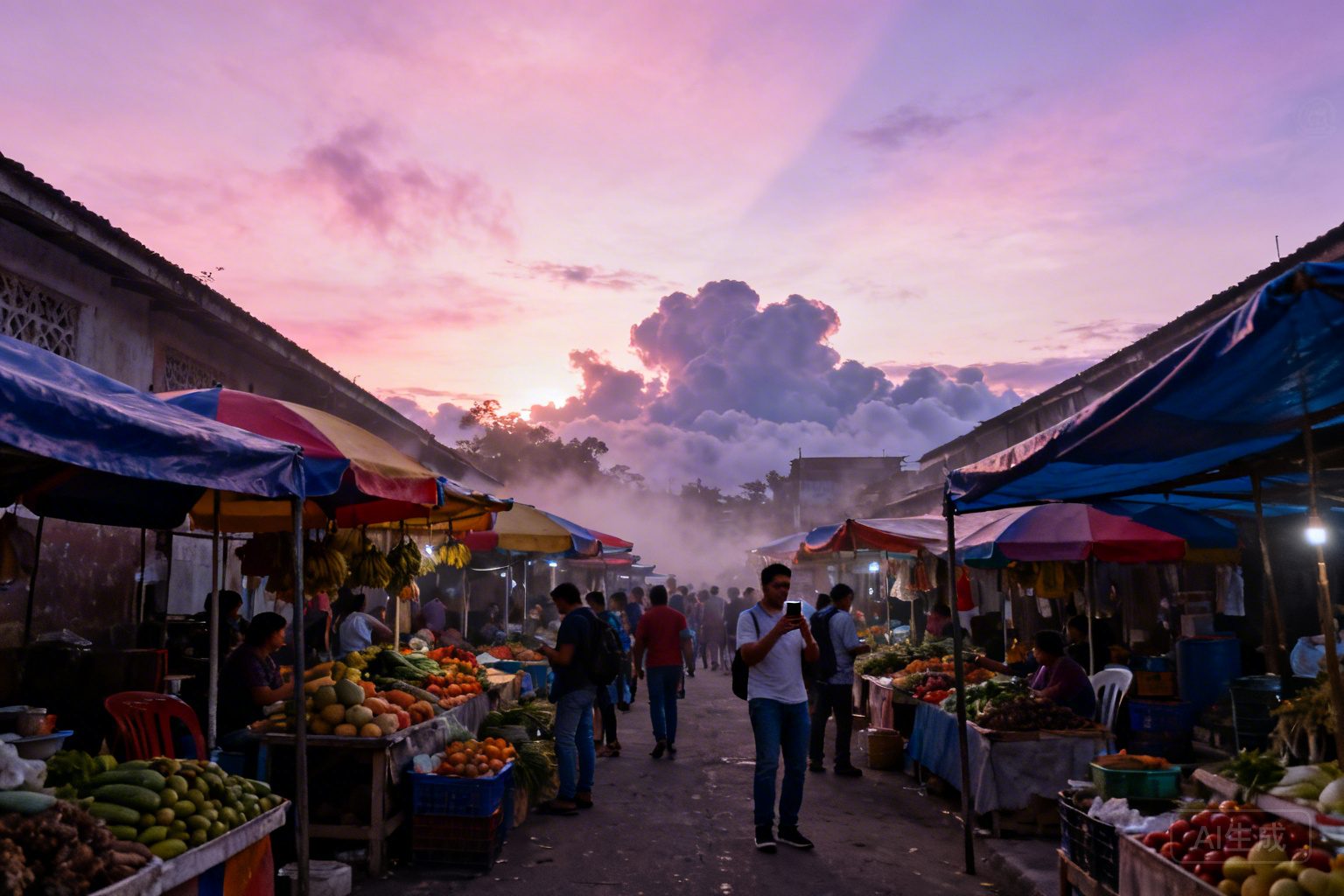
In November, the heat turns tectonic. The Fiestas de Independencia—commemorating Cartagena’s 1811 break from the Spanish Crown—is not a polite parade. It is a riot of color and percussion that centers on the Bando, a procession where the boundary between spectator and performer dissolves into a haze of cornstarch and foam. I watched a man in Getsemaní, his skin the color of polished mahogany, balance a crate of Aguila beer on his head while dancing the mapalé. His movements were jagged, electric, a physical manifestation of the city’s defiance.
The scent of the Bando is distinctive: gunpowder from illegal fireworks, the sharp acidity of cheap rum, and the earthy, fried aroma of arepa de huevo bubbling in vats of recycled oil. In the Plaza de la Trinidad, a brusque waiter named Efrain—who has worked the same three tables for forty years—snarls at tourists who move too slowly, his movements a choreographed blur of sweat and spite. He doesn’t care about your reservation; he cares about the rhythm of the street. To his left, a frantic office worker in a wilted suit tries to navigate the throng, his briefcase held high like a shield against the blizzard of white powder being tossed by laughing children.