Don’t Miss Out! The 5 Wildest Festivals in Krakow You Need to Experience!
The Silver Dust of the Vistula: A Descent into Krakow’s Rhythmic Madness
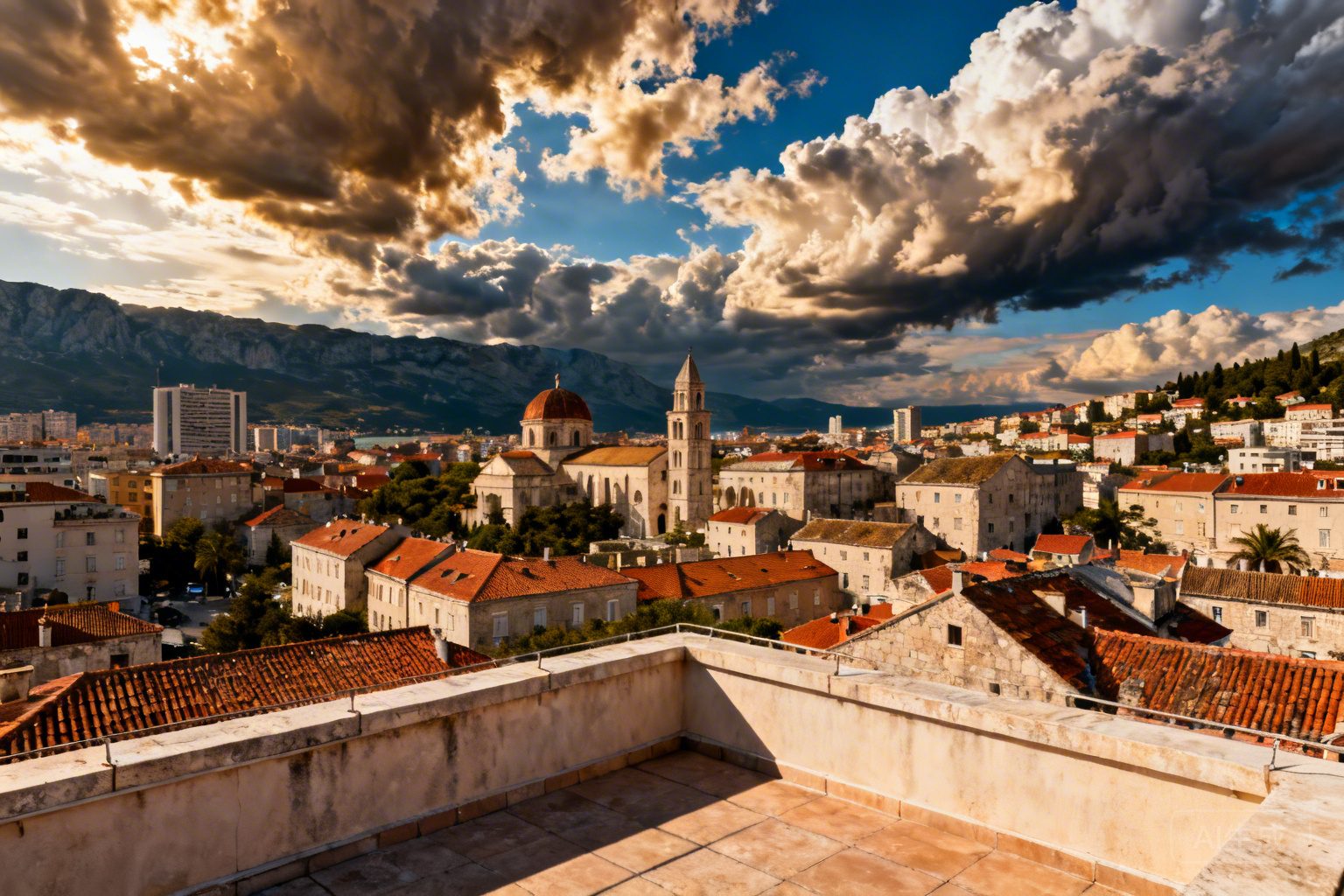
Krakow does not reveal itself in the daylight. It waits. It lingers beneath the soot-stained limestone of the Floriańska Gate, hiding in the sharp, metallic scent of the tram tracks that groan under the weight of history. To enter this city is to step into a pressurized chamber of memory and adrenaline. The air here carries a specific weight—a mixture of burnt coal, damp cellar moss, and the faint, sugary ghost of powdered sugar from a thousand pączki. The cobblestones are not merely stones; they are polished teeth, worn smooth by the frantic pacing of kings, invaders, and the rhythmic thumping of modern subwoofers.
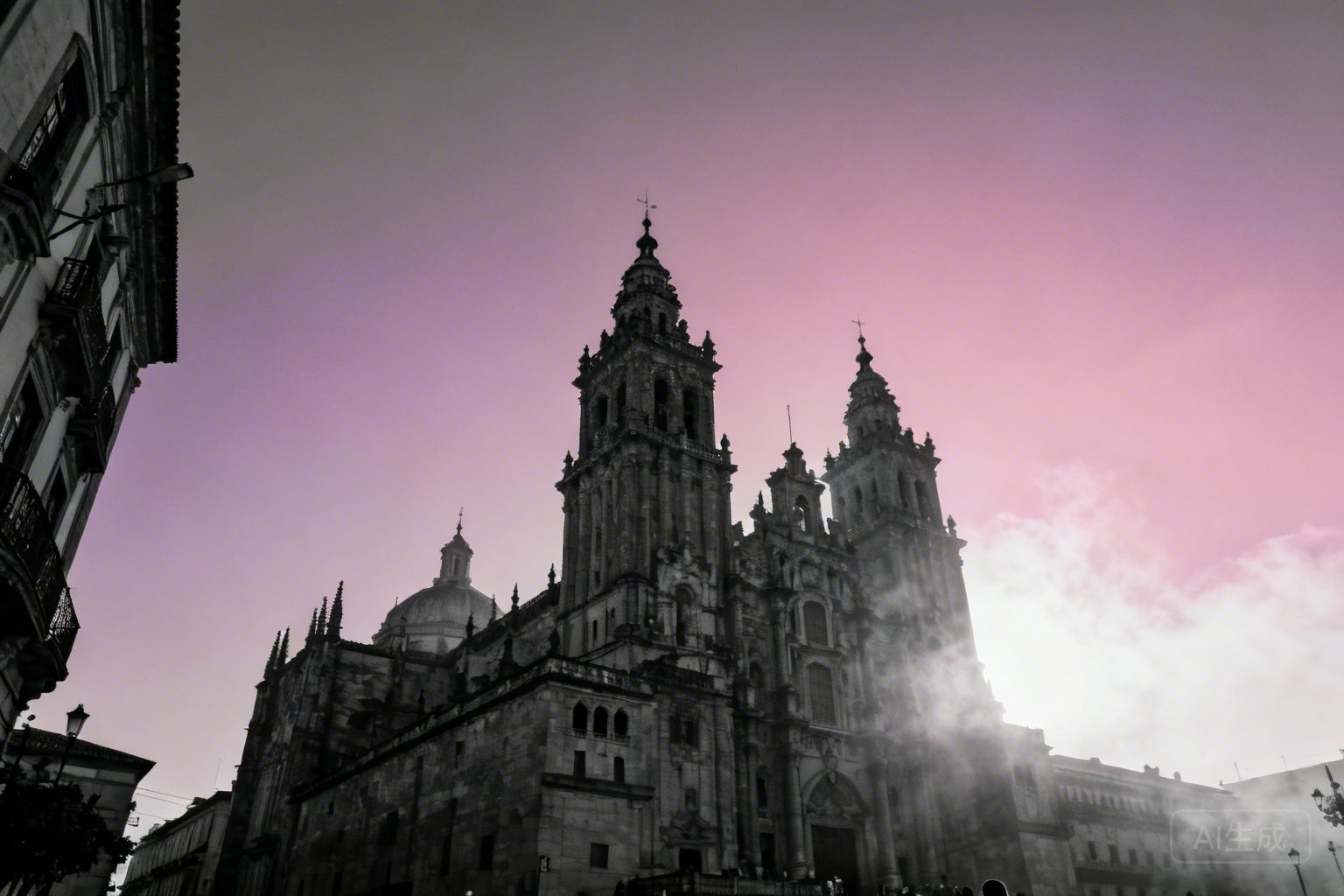
I arrived as the sun was hemorrhaging violet light over the Wawel Cathedral. The wind at the corner of Grodzka Street was thin and needles-sharp, smelling of the river’s slow, muddy churn. A waiter, his apron stained with the dark ink of beet soup, stood outside a milk bar, his eyes two flinty chips of exhaustion. He didn’t look at the tourists; he looked through them, toward a horizon only a local could see. This is a city that thrives on the edge of the surreal. It is a city of festivals, but not the sanitized, corporate gatherings of the West. Here, a festival is an exorcism.
1. The Lajkonik: The Golden Horde’s Residual Fever
There is a specific pitch to the air in June. It is a humid, expectant silence that is suddenly shattered by the clatter of wooden swords. The Lajkonik festival is not a parade; it is a ghost story told in broad daylight. Legend dictates that during the 13th-century Tatar invasions, the brave raftsmen of the Zwierzyniec district ambushed the invaders and returned to the city clad in the enemy’s silk robes. Today, a man dressed as a bearded Mongol warrior, mounted on a hobbyhorse that looks as if it were carved from a fever dream, gallops through the streets.
I watched the procession from the shadow of a crumbling archway where the paint peeled in long, parchment-like strips, revealing layers of ochre and brick. The Lajkonik’s mace is heavy, tipped with gold, and to be struck by it is to be blessed with luck. The crowd doesn’t just watch; they surge. I saw a frantic office worker, his tie loosened like a noose, dive into the path of the hobbyhorse, his face twisted in a mixture of corporate desperation and ancient superstition. The mace landed on his shoulder with a dull thud. He grinned, a manic, terrifying expression of relief.