Don’t Miss Out! The 5 Wildest Festivals in Lisbon You Need to Experience!
The Salt and the Saffron: Chasing Lisbon’s Periodic Fever
To understand Lisbon, one must first understand the concept of saudade—that untranslatable Portuguese ache for something that hasn’t happened yet, or perhaps something that was lost in the Great Earthquake of 1755 and never quite reclaimed. But come the festival seasons, this melancholy is violently discarded, replaced by a kinetic, sweat-slicked joy that smells of charred sardines and cheap red wine. Lisbon does not merely host festivals; it surrenders to them. The city, usually a labyrinth of dignified crumbling masonry and faded azulejo tiles, transforms into a living, breathing entity that refuses to sleep until the Atlantic dawn bleaches the sky over the Tagus.
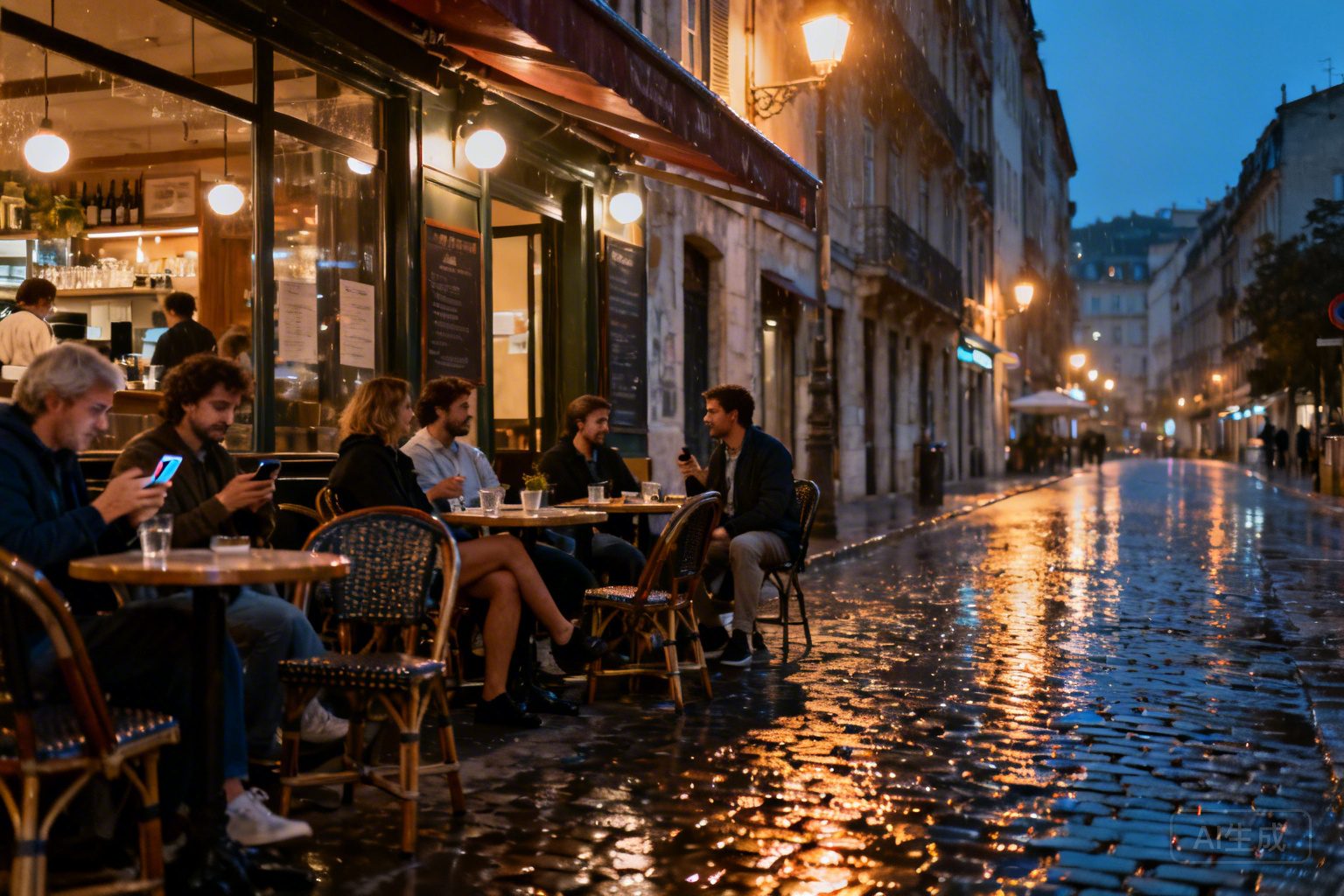
The wind at the corner of Rua da Bica de Duarte Belo smells of ozone and toasted flour. It is a sharp, insistent breeze that rattles the laundry hanging like prayer flags from iron balconies. Here, the cobblestones are worn to a treacherous, oily smoothness by centuries of leather soles. You feel the history in the soles of your feet—a vibration of ancient Moorish foundations and the restless ghosts of sailors who never returned from the Cape of Good Hope.
I. Santo António: The Sardine’s Requiem
June in Lisbon is not a month; it is a siege. The Festas de Lisboa culminate in the night of Santo António, a celebration so visceral it feels less like a holiday and more like a collective exorcism. By 7:00 PM, the Alfama district—a vertical maze where the houses lean into one another like tired drunks—is impenetrable. The air is a thick, visible haze of blue-grey smoke rising from thousands of makeshift charcoal grills. The scent is singular: the oily, metallic tang of sardines blistering over heat, mingled with the herbal sweetness of manjerico (basical) pots decorated with paper carnations and cryptic poems.
I encounter Senhor Vasconcelos near the Largo de São Miguel. He is a waiter of the old school, wearing a waistcoat that has seen three dictatorships and a napkin tucked into his belt with surgical precision. He moves through the throng with a tray of imperiais (small draught beers) held high, his face a roadmap of broken capillaries and practiced indifference. He doesn’t look at the tourists; he looks through them, his eyes fixed on some distant point in the 19th century. To him, the chaos is a clockwork necessity. “The fish must burn,” he grunts, shoving a plate of bread-thickened soup toward a frantic office worker who has traded his tie for a plastic crown. “If the fish does not burn, the saint does not listen.”