Don’t Miss Out! The 5 Wildest Festivals in New Delhi You Need to Experience!
The High-Efficiency Masterclass: Navigating New Delhi’s Most Explosive Festivals
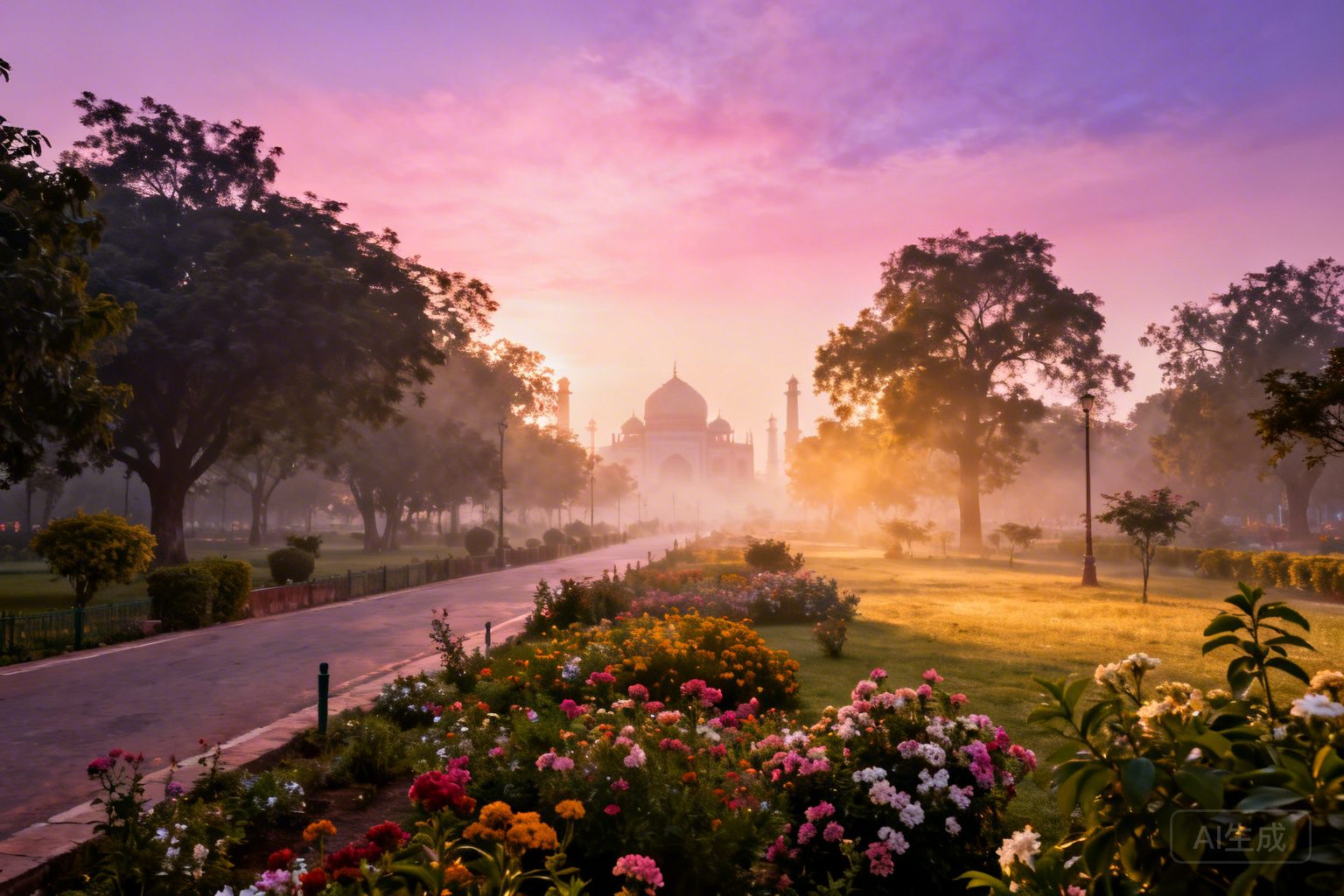
Most travelers treat New Delhi as a 24-hour transit stop before hitting the Taj Mahal. That is a tactical error. New Delhi is the sensory nerve center of India, and its festivals are not merely events—they are high-stakes, high-energy logistical challenges that reward the prepared and punish the naive. To experience the “Wild Five,” you cannot simply show up. You need a deployment plan.
As a veteran consultant, I demand zero-waste travel. This guide eliminates the guesswork. We are looking at extreme crowds, noise levels exceeding 110 decibels, and topographical shifts that turn a 2km trip into a 90-minute ordeal. Here is your operational manual for the five wildest festivals in the capital.
1. Holi: The Chaos of Color (March)
Holi in Delhi is not the sanitized version you see in travel brochures. It is aggressive, messy, and exhilarating. In South Delhi, it’s a high-end booze-fueled party; in Old Delhi (Paharganj/Chandni Chowk), it is a street-level battleground of synthetic powders and water balloons.
Operational Fact Sheet: Paharganj Main Bazar (The Epicenter)
- Optimal Arrival Time: 09:15 AM (Action peaks at 11:00 AM; the streets become impassable by Noon).
- Duration: 9:00 AM – 2:00 PM. After 2:00 PM, the city goes into a “coma” as everyone cleans up.
- Logistics: Take the Blue Line or Yellow Line to Rajiv Chowk Metro Station. Walk or take an e-rickshaw (₹30) to Paharganj.
- Ticket Cost: Free (Public streets) or ₹2,500 – ₹5,000 for private “Holi Moo” festival tickets.
- Supplies: Buy organic Gulal (powder) only. Avoid the silver/gold paints; they contain heavy metals and engine oil.