Don’t Miss Out! The 5 Wildest Festivals in Samarkand You Need to Experience!
The Turquoise Mirage: Waking Up in the Navel of the Silk Road
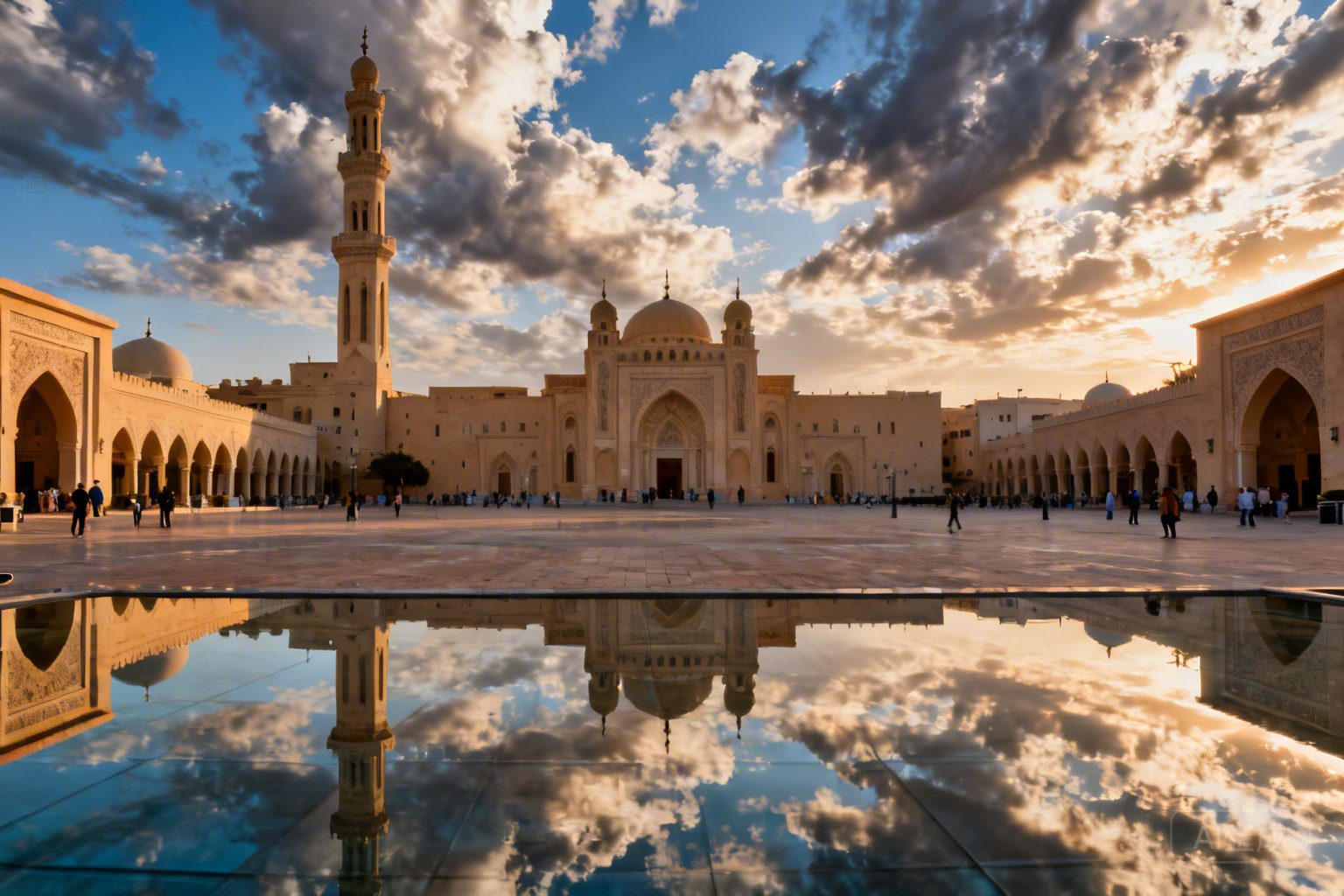
The dust in Samarkand doesn’t just settle; it narrates. It carries the microscopic residue of lapis lazuli, the pulverized remains of Timurid bricks, and the scent of parched apricot pits. At 5:15 AM, the air is a bruised purple, the temperature of a silver coin left in a cellar. I stood at the intersection of Registan Street, watching the first light strike the ribbed domes of the Tilya-Kori Madrasah. The gold leaf inside those domes is so thick it feels gravitational, pulling the gaze upward until your neck aches with the weight of centuries. To walk this city is to participate in a long-form hallucination. It is a place where the 14th century breathes down the neck of the 21st, and nowhere is this friction more combustible than during its festivals.
The modern traveler is often warned against “tourist traps,” but in Samarkand, the traps are made of silk and pomegranate wine. You don’t just visit; you are absorbed. The city is a palimpsest. Beneath the Soviet asphalt lies the grit of the Silk Road, and beneath that, the bones of Sogdiana. To understand the “Wildest Festivals” promised by the glossy brochures is to understand that “wild” here doesn’t mean chaotic—it means ancestral. It is a madness born of repetition, a rhythmic insistence that the past is never truly behind us.
I. Sharq Taronalari: The Symphony of the Steppe
The Registan Square is a geometric miracle, three madrasahs facing one another in a standoff of blue tile. During Sharq Taronalari (Melodies of the East), the square transforms into a sonic pressure cooker. I watched a brusque waiter named Bakhtiyor—a man whose face was a map of deep-set furrows and permanent skepticism—balance a tray of twelve tea bowls while weaving through a crowd of ethnomusicologists and frantic local officials. He moved with the predatory grace of a snow leopard, ignoring the frantic demands of a French documentary crew. To him, the music was merely the wallpaper of his workday.
The festival is a biennial convocation of the world’s most haunting voices. One night, a group from the Altai Mountains began a throat-singing performance that felt less like music and more like a geological shift. The sound vibrated in my molars. The pitch was low, gravelly, echoing the sound of a glacier cracking in the sun. Beside me sat a silent monk-like figure in a threadbare chapan (quilted robe), his eyes closed, his fingers tracing invisible patterns on his knees. He didn’t applaud when the set finished; he simply exhaled, a long, slow whistle that joined the cooling desert wind.