Don’t Miss Out! The 5 Wildest Festivals in Split You Need to Experience!
The Dalmatian Fever Dream: A Prelude in Stone
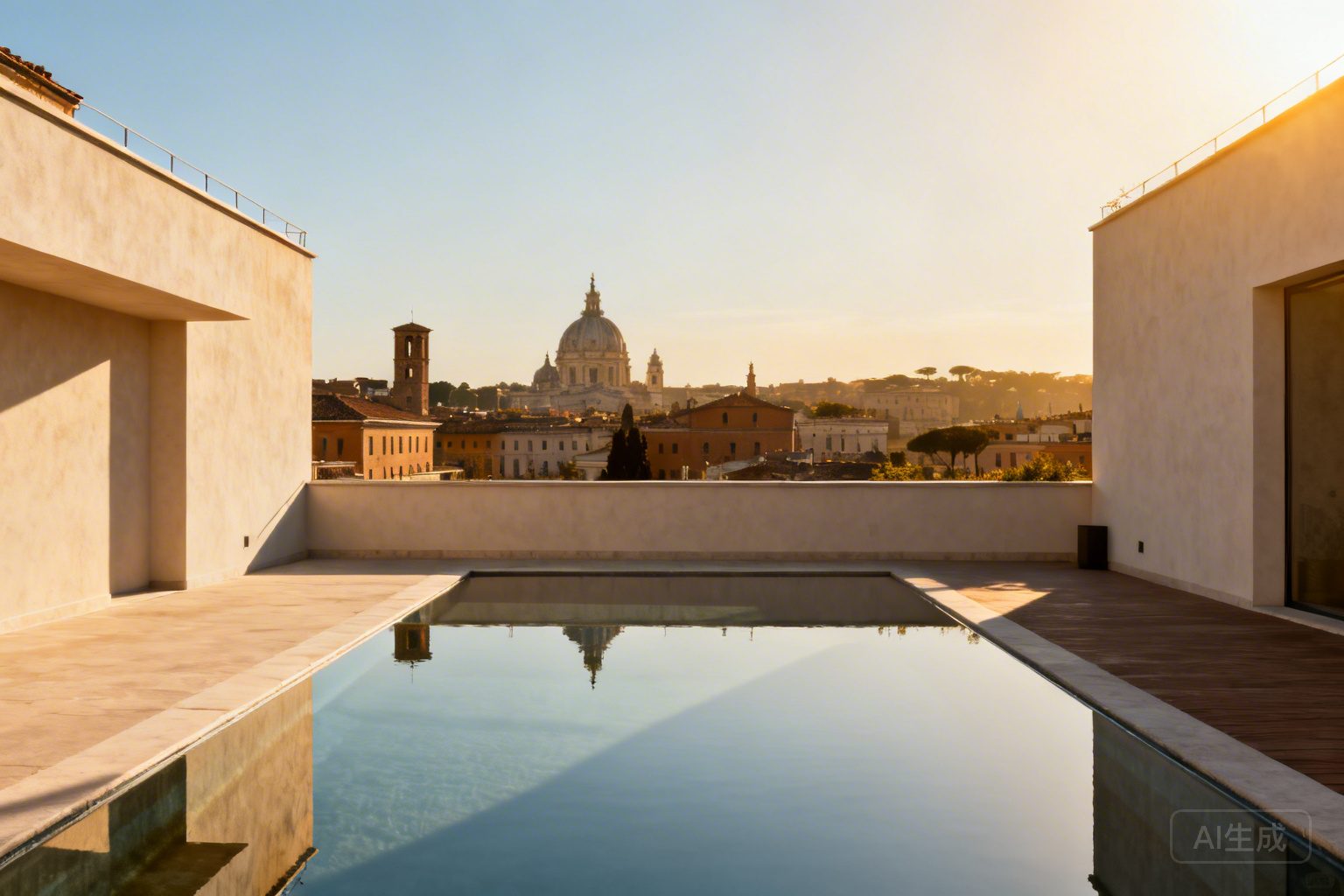
The Adriatic is not merely a body of water; it is a saline clock that has forgotten how to tick. In Split, the limestone of Diocletian’s Palace doesn’t just reflect the sun—it absorbs the collective sighs of seventeen centuries, turning a pale, bone-white glow into a buttery amber as the mistral wind kicks up from the harbor. I found myself standing at the Peristyle, the heart of this living ruin, where the air tasted of roasted espresso and the metallic tang of drying fish. To my left, a waiter named Dragan—his face a map of deep-set creases and cigarette smoke—balanced a tray of macchiatos with the bored grace of a tightrope walker. He didn’t look at the tourists; he looked through them, his eyes fixed on some distant point on the horizon where the ferry to Brač was carving a white scar across the turquoise silk of the sea.
Split is a city of layers, a palimpsest of Roman hubris, Venetian elegance, and socialist brutality. But when the heat of the Dalmatian summer reaches a certain vibrating frequency, the city sheds its architectural stoicism and dissolves into chaos. These are the festivals—not the sanitized, ticketed affairs of Western Europe, but raw, sweat-soaked manifestations of a Mediterranean soul that refuses to be tamed. To experience them is to surrender your grip on linear time and join the frenetic dance of the Splićani.
The stones underfoot are slick, polished by a billion footsteps into a treacherous glass. I felt the vibration of a bass bin somewhere deep in the Ghetto, the sound echoing off walls that were built when the world was still flat. This is where the story begins.
1. Ultra Europe: The Neon Cathedral of Poljud
The sun was a dying ember when the first wave of the neon-clad pilgrims descended upon the Poljud Stadium. This is the “shell of Split,” a brutalist masterpiece of concrete and glass that usually echoes with the tribal chants of Hajduk Split supporters. But for three days in July, it transforms into a pulsating hive of electronic hedonism. The wind at the northern corner of the stadium is always three degrees cooler, carrying the scent of pine needles and cheap lager.