Dublin’s Best Restaurants: 10 Culinary Hotspots You Simply Can’t Miss!
The Liffey’s Salt and the Saffron’s Glow
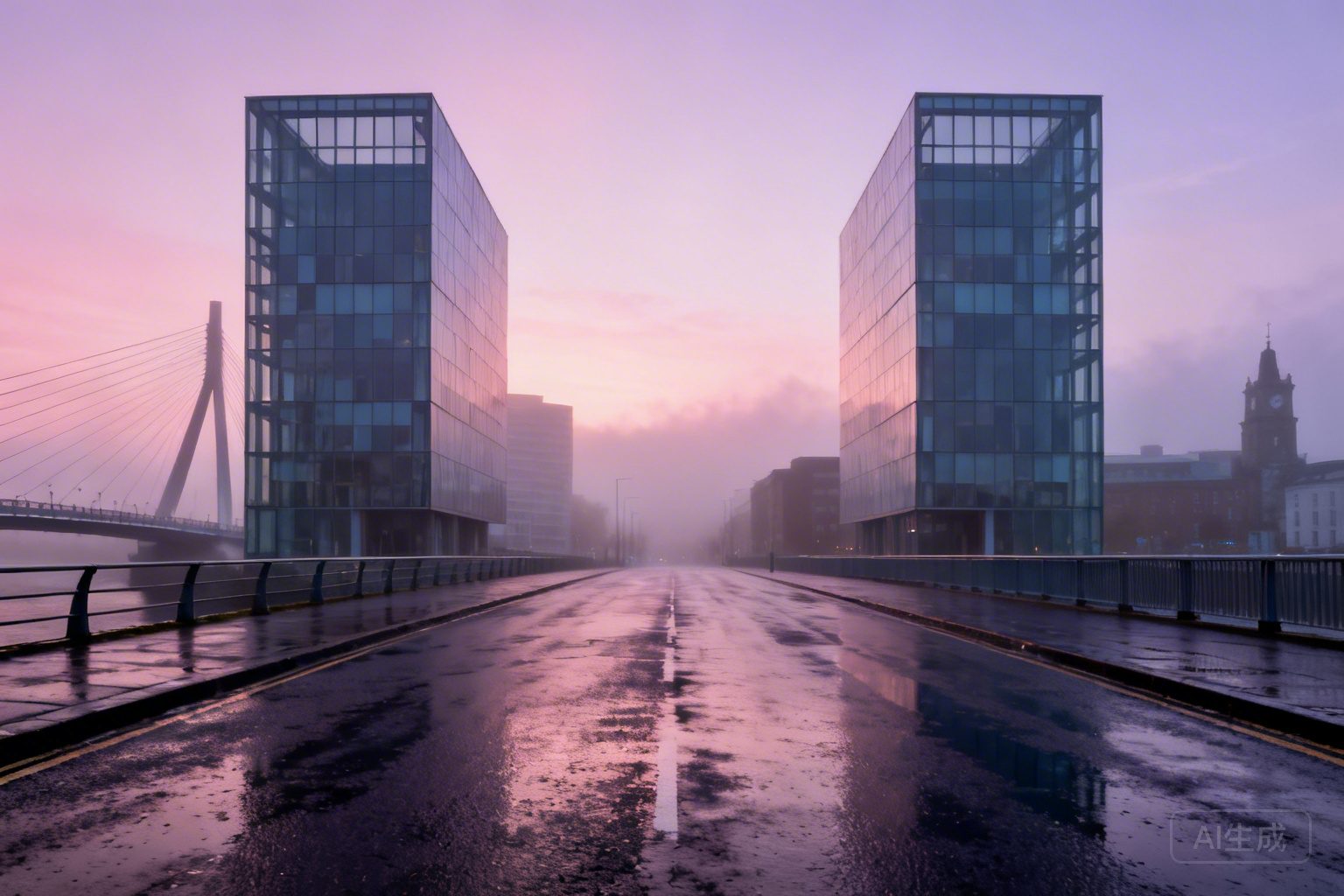
Dublin is a city built on the sediment of damp wool and dark stout, a place where the air usually tastes of wet slate and low-hanging coal smoke. But lately, there is a new scent riding the gale—a sharp, electric tang of fermented gooseberries, charred ox-heart, and the buttery exhale of a sourdough starter that hasn’t slept in a decade. To walk across the Ha’penny Bridge at dusk is to experience a sensory collision: the wind, biting and indifferent, whipping off the Irish Sea, clashing against the sudden, radiator-warm bloom of a kitchen exhaust vent. The city is no longer just a place to drown one’s sorrows in a pint of the black stuff; it has become a theater of the palate, a sprawling, cobblestoned dining room where the ghosts of Joyce and Beckett are being politely asked to move their manuscripts to make room for a plate of scorched turbot.
I stand on the corner of Dame Street, watching a frantic office worker—his tie flapping over his shoulder like a polyester distress signal—swerve to avoid a silent, silver-haired man in a heavy tweed coat who is staring, transfixed, at a single crack in the pavement. The city pulses. The paint on the Georgian doors isn’t just red or blue; it is a bruised oxblood peeling back to reveal a century of previous residents’ whims, a flaking archaeology of taste. The light here is pearlescent, a bruised mauve that makes the puddles look like spilled ink. And within this landscape of grit and grandeur, ten sanctuaries of flavor have carved out their existence.
1. Chapter One: The Alchemist’s Library
Deep in the Northside, beneath the vaulted gravity of the Parnell Square North, lies Chapter One. Entering this space is like stepping into a velvet-lined jewelry box. The textures here are deliberate: the cool, unyielding surface of Irish limestone underfoot, the rasp of heavy linen napkins that feel as though they were woven by a monastic order with a commitment to high thread counts. Ross Lewis and Mickael Viljanen have created a friction here—a collision between old-world Dublin elegance and a frantic, modern precision.
I watched a waiter—a man with the posture of a cello bow and eyes that missed nothing—deftly navigate a table of boisterous tourists. He didn’t just walk; he glided, his footsteps swallowed by the thick carpet. I tasted a langoustine that felt like a secret whispered in a dark room—sweet, ephemeral, coated in a butter so rich it felt illegal. The historical weight of the building, once part of the Dublin Writers Museum, hangs in the air. You aren’t just eating; you are consuming the very literacy of the city.