Fine Dining in Addis Ababa: 10 Michelin-Star Restaurants You Must Book Now!
The Highland Scent of Smoke and Saffron
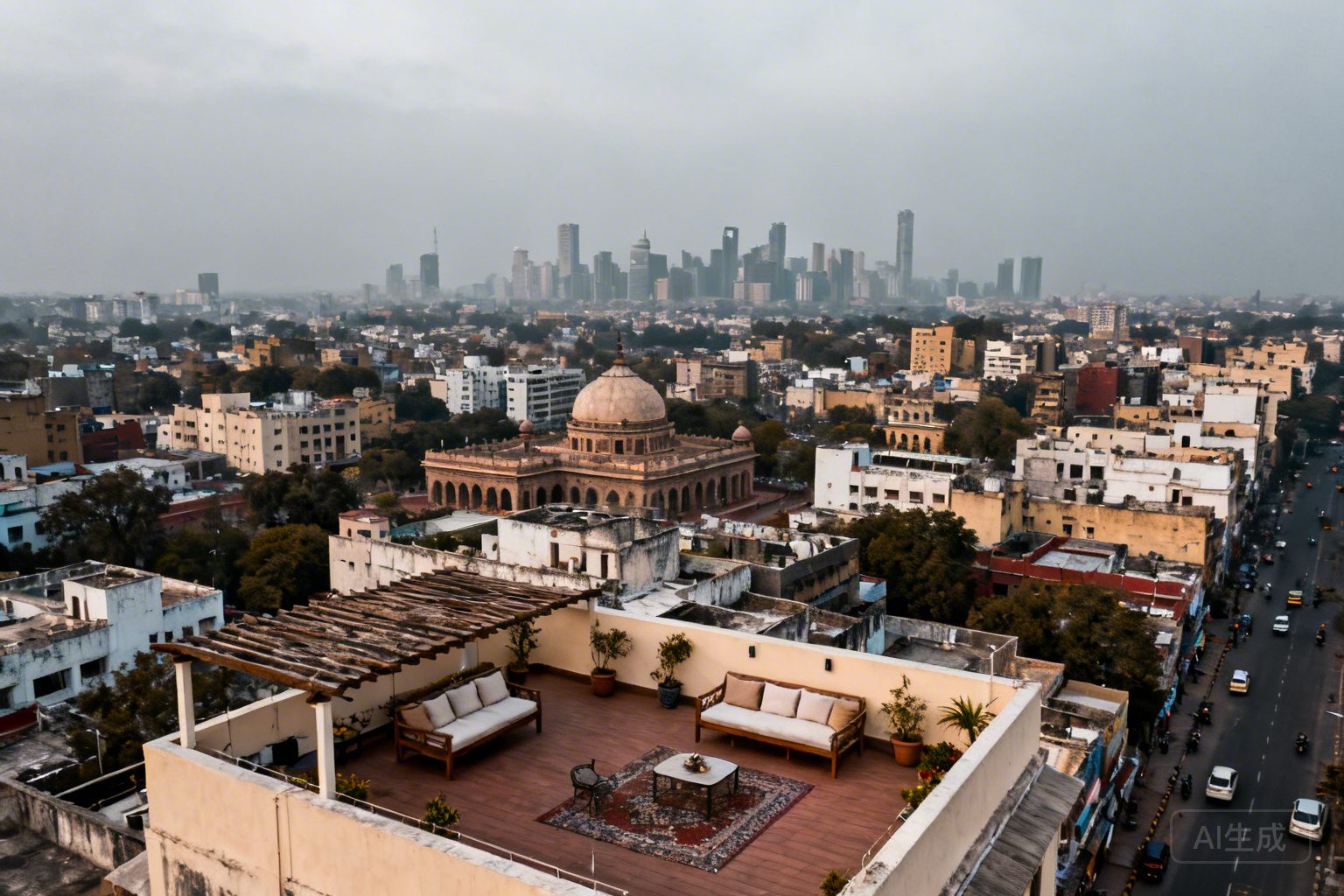
Addis Ababa does not reveal itself to the casual observer; it demands a surrender of the senses. At 7,700 feet above the level of the indifferent sea, the air is thin, crisp, and carries the distinct, evocative perfume of eucalyptus woodsmoke and roasted Arabica beans. It is a city of scaffolding and shadows, where glass-fronted skyscrapers reflect the corrugated iron roofs of centuries-old settlements. To talk of “Michelin stars” in a city where the Guide has yet to officially tread is an act of translation—it is to speak of a caliber of craft, a dedication to the alchemy of flavor that transcends the bureaucratic stamps of European critics. In the heart of the Horn of Africa, the culinary revolution is not televised; it is simmered in clay pots and served on hand-woven mesobs.
I found myself standing at the corner of Churchill Avenue, where the wind whipped around the modernist facade of the National Theatre with a predatory chill. A frantic office worker, his tie loosened and a leather briefcase clutched like a shield, dodged a blue-and-white Lada taxi that coughed a cloud of diesel smoke. Nearby, a silent monk in robes the color of dried marigolds leaned against a crumbling stone wall, his eyes fixed on a horizon only he could see. The paint on the door of a nearby spice shop was peeling in long, curled strips, revealing layers of pale blue and ochre that felt like a timeline of the city’s many rebirths. This is the stage upon which the new Ethiopian gastronomy performs.
1. Kategna: The Cathedral of Teff
To understand the elevation of the Ethiopian palate, one must start at Kategna. The room is a symphony of clinking glasses and the rhythmic slap of hands against injera. Here, the traditional sourdough flatbread is treated with the reverence of a holy relic. The texture is precise: a spongy, lace-like surface that must be soft enough to fold but resilient enough to carry the weight of a doro wat. I watched a brusque waiter, his movements a blur of practiced efficiency, deposit a platter that looked like a jeweler’s velvet cushion. The doro wat—a slow-cooked chicken stew—had been reduced for eighteen hours until the onions had dissolved into a dark, mahogany jam, pulsating with the heat of berbere. It is a dish that demands patience, a slow-motion explosion of ginger, garlic, and sacred basil.
The heat lingers at the back of the throat, a glowing coal that reminds you of the high-altitude sun.