Fine Dining in Antalya: 10 Michelin-Star Restaurants You Must Book Now!
The Turquoise Glimmer and the Gilded Plate: A Gastronomic Pilgrimage Through Antalya
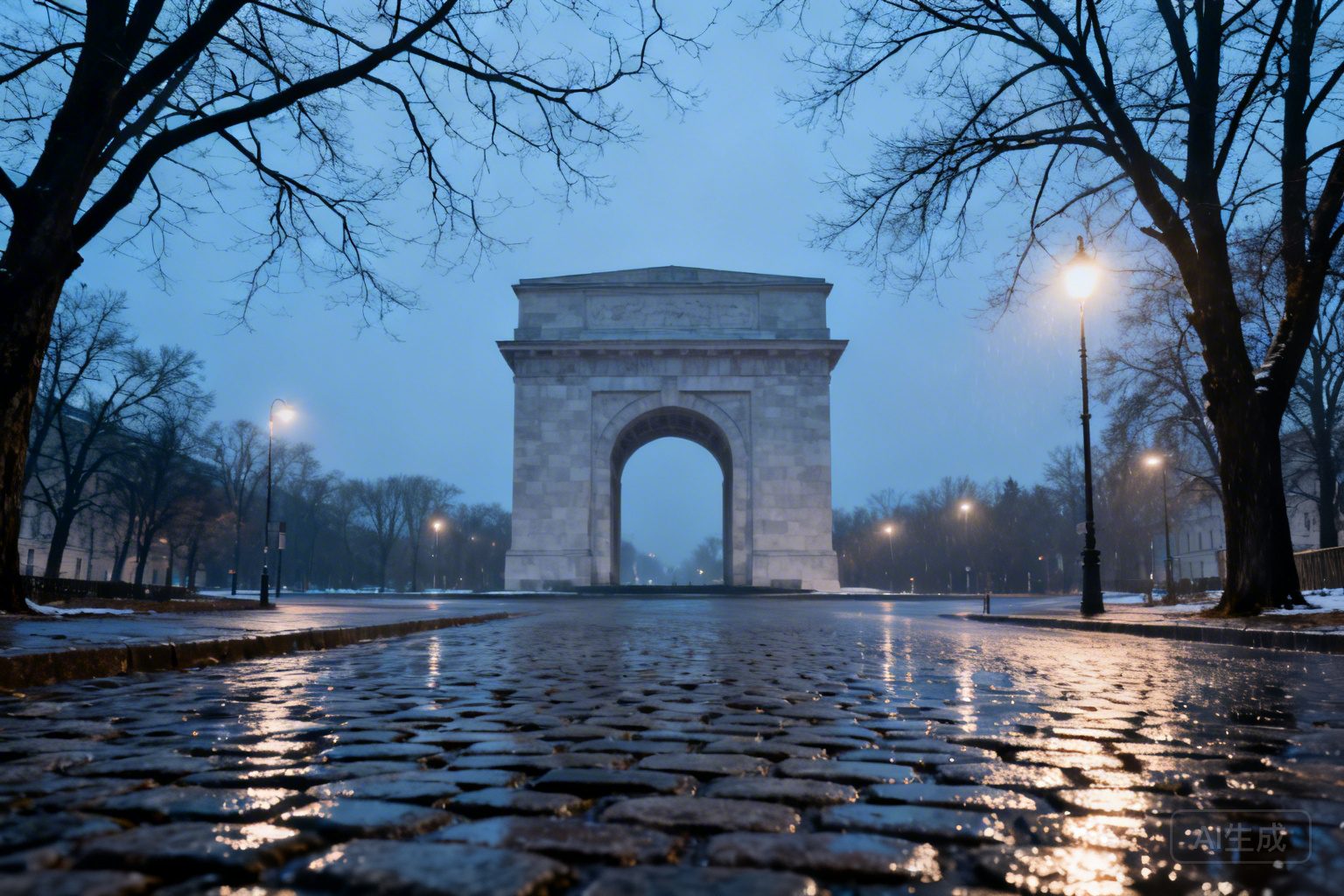
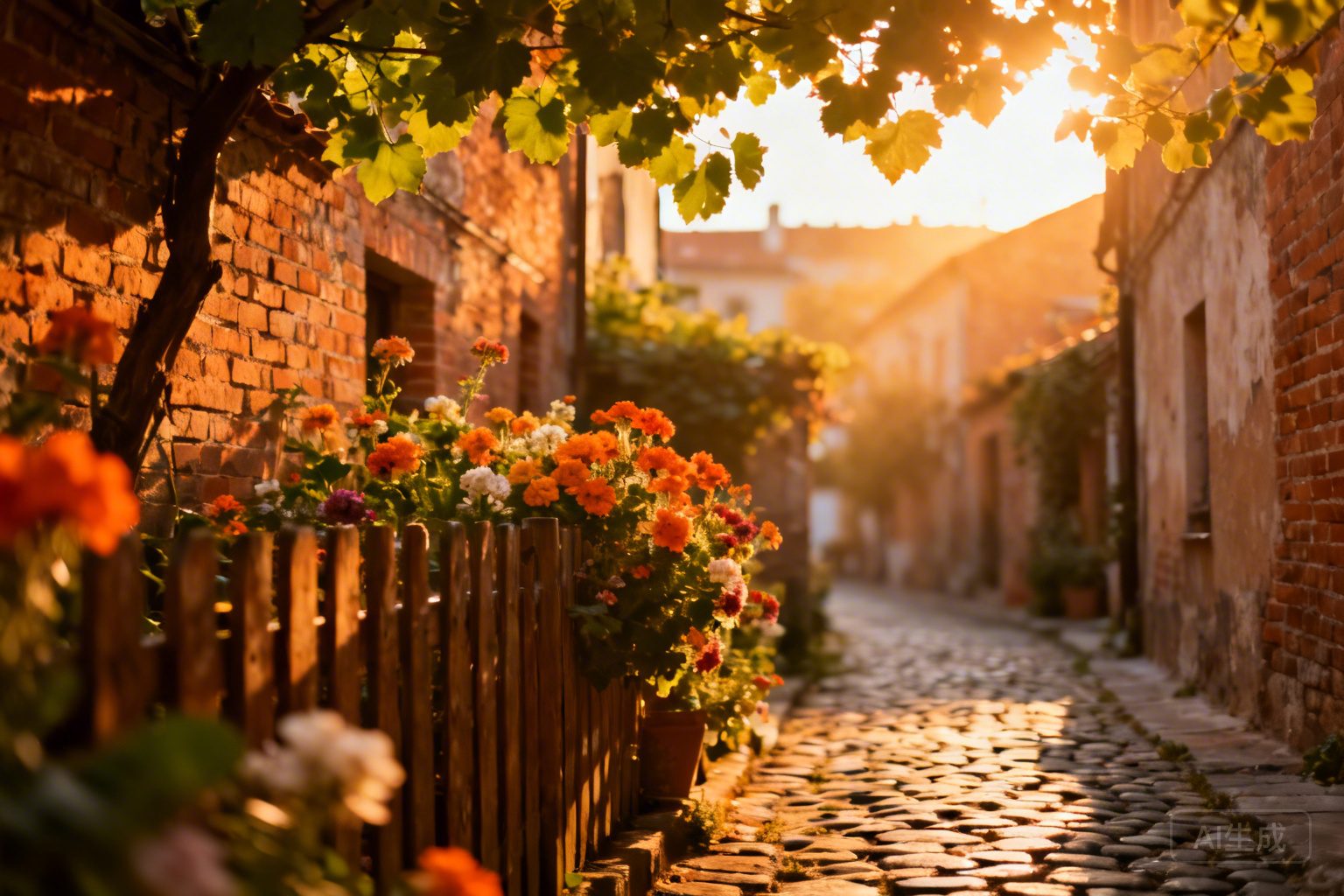
The wind in Antalya does not merely blow; it conspires. At the corner of the Hadrian’s Gate, where the Roman marble has been polished to a glass-like sheen by two millennia of passing sandals and sneakers, the breeze carries the scent of charred lamb fat and the metallic tang of the Mediterranean. It is a thick, humid heat that clings to the skin like a damp silk shirt. Here, the street vendors cry out their wares in a rhythmic, minor-key chant—the simit man with his circular bread stacked like a halo, his voice a gravelly baritone that cuts through the hum of German tourists and local shopkeepers. He stands beside a 100-year-old door, its teal paint peeling in sun-scorched flakes to reveal the silvered cedar wood beneath, a skeletal reminder of the Ottoman hands that once turned its iron ring.
Antalya has long been the darling of the “all-inclusive” set, a coastal sprawl of high-rise buffets and neon-lit water parks. But look closer. Beneath the veneer of cheap mass tourism, a quiet revolution has been simmering in the copper pots of the Kaleiçi and the sleek, glass-fronted kitchens of the Lara cliffs. The Michelin Guide’s arrival was not a surprise to those of us who have spent years tracking the scent of fermented sumac and aged Tulum cheese through these winding alleys. It was a formal coronation of a culinary identity that refuses to be categorized as merely “Mediterranean” or “Middle Eastern.” It is something older, something more visceral.
1. 7 Mehmet: The Cathedral of the Anatolian Soul
If Antalya has a culinary high priest, it is the spirit of Mehmet Akdağ. To eat at 7 Mehmet is to participate in a secular liturgy. The restaurant sits atop a hill overlooking the Konyaaltı beach, a brutalist-chic expanse where the light at sunset turns the water into a sheet of hammered gold. I watched a waiter there—brusque, silver-haired, with a mustache so sharp it looked like it could slice a tomato—carry a tray of Sevketi Bostan (blessed thistle) with the solemnity of a man carrying a holy relic. He didn’t look at the diners; he looked at the food, ensuring the emulsion of lemon and egg didn’t break in the sea breeze.
The texture of their signature lamb pilaf is a study in contrasts: the rice grains are distinct, firm, and glistening with clarified butter, while the meat collapses at the mere suggestion of a fork. There is a legend that the restaurant’s name comes from a scar on the founder’s forehead that resembled the Arabic numeral seven. Looking at the precision of the kitchen today, one feels that same indelible mark of history. You must order the pumpkin dessert, drizzled with tahini so thick it coats the throat like liquid velvet, topped with walnuts that shatter like glass between your teeth.