Fine Dining in Antigua: 10 Michelin-Star Restaurants You Must Book Now!
The Alchemist’s Table: A Nocturnal Migration Through Antigua’s Culinary Renaissance
The air in Antigua Guatemala does not merely circulate; it settles. It carries the weight of three hundred years of volcanic ash, the ghost-scent of roasted cacao, and the damp, metallic breath of the Acatenango volcano looming like a silent, indigo god over the valley. At 5,000 feet, the wind at the corner of 5a Calle Poniente has a specific, razor-edged chill—a temperature that demands a wool shawl but rewards you with the scent of burning cedar from a hundred hidden hearths. I stood there, watching the cobblestones slicked with a sudden, violet mist, listening to the rhythmic slap-slap-slap of a late-night tortilla maker behind a heavy, cedar door. The door itself was a testament to survival, its emerald paint peeling in curled strips like the skin of an overripe lime, revealing the grey, weathered grain of a century’s worth of rain.
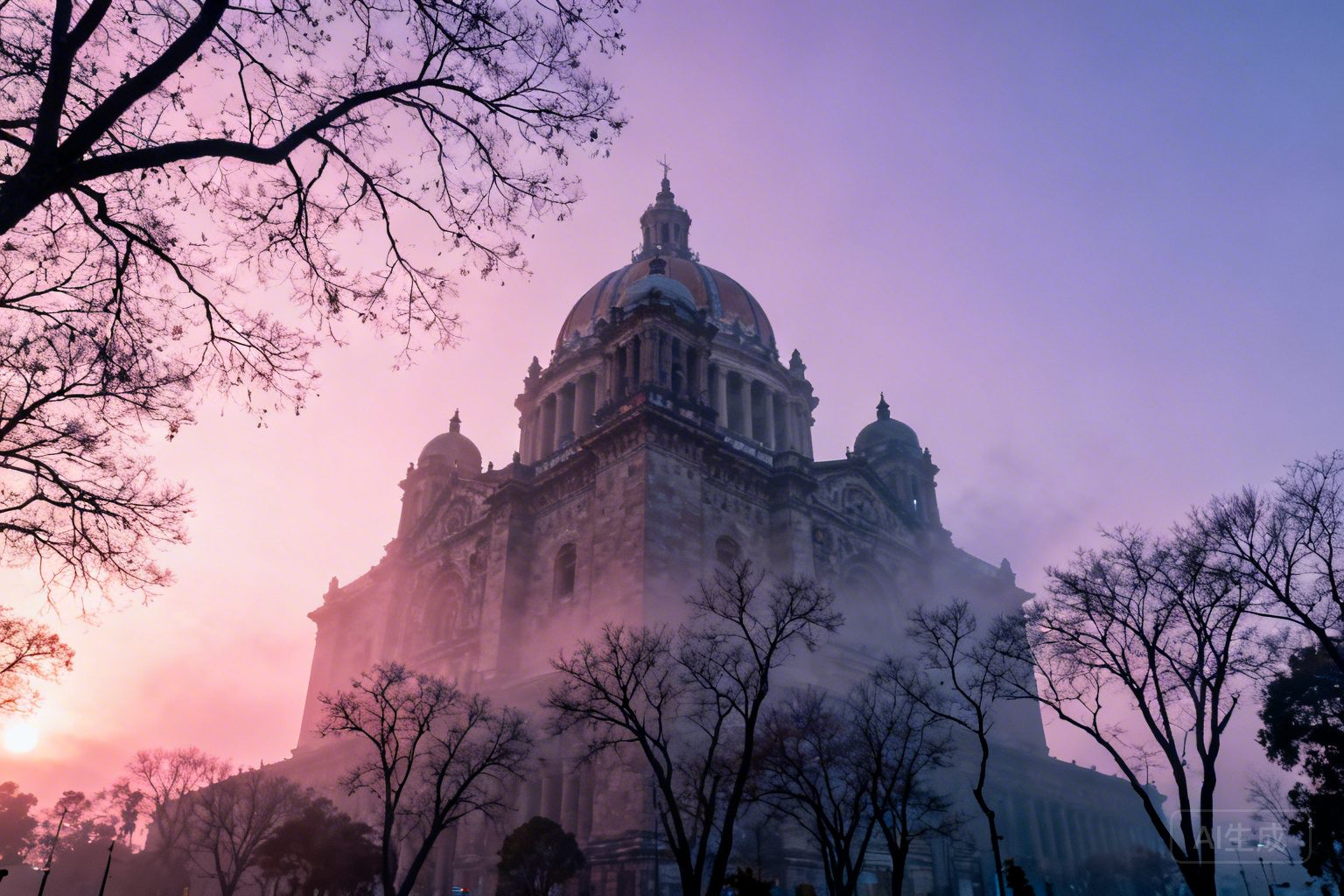
Antigua is a city of ruins and resurrections. It is a place where Baroque cathedrals crumble with a tragic grace, their skeletons draped in bougainvillea that bleeds a violent shade of magenta against the stucco. But beneath the surface of this UNESCO relic, a different kind of alchemy is occurring. The world’s culinary elite have arrived, not to conquer, but to commune with the ancient flavors of the Maya. This is not just dining; it is a ritualistic excavation of the soul. To eat here is to consume the history of the Spanish Conquest and the resilience of the indigenous spirit, served on a plate of black volcanic stone.
1. Mesón Panza Verde: The Cathedral of Shadows
I entered through a corridor so narrow it felt like a confession. The restaurant is an institution of European elegance grafted onto a Guatemalan heart. In the courtyard, the air is thick with the scent of night-blooming jasmine, a smell so heavy it feels like a physical weight on the chest. I watched the waiter—a man named Efrain with a back as straight as a Spanish conquistador’s pike and eyes that seemed to have seen every revolution since 1944. He moved with a brusque, terrifying efficiency, pouring a heavy Malbec without spilling a single drop, even as the distant rumble of an earthquake—a mere tremor, a city heartbeat—shook the crystal prisms of the chandelier.
The Lomo de Res arrived, charred by woodfire, the exterior a jagged crust of salt and smoke, the interior the color of a bruised plum. It tasted of the earth—deep, mineral, and unapologetic. To dine here is to feel the weight of the old world pressing against the new. A silent monk from the nearby San Francisco church sat three tables over, his brown habit blending into the shadows, eating a simple soup with a silver spoon, his presence a reminder that in this city, the sacred and the profane always share a table.