Fine Dining in Hong Kong: 10 Michelin-Star Restaurants You Must Book Now!
The Vertical Altar: A Hunger That Never Sleeps
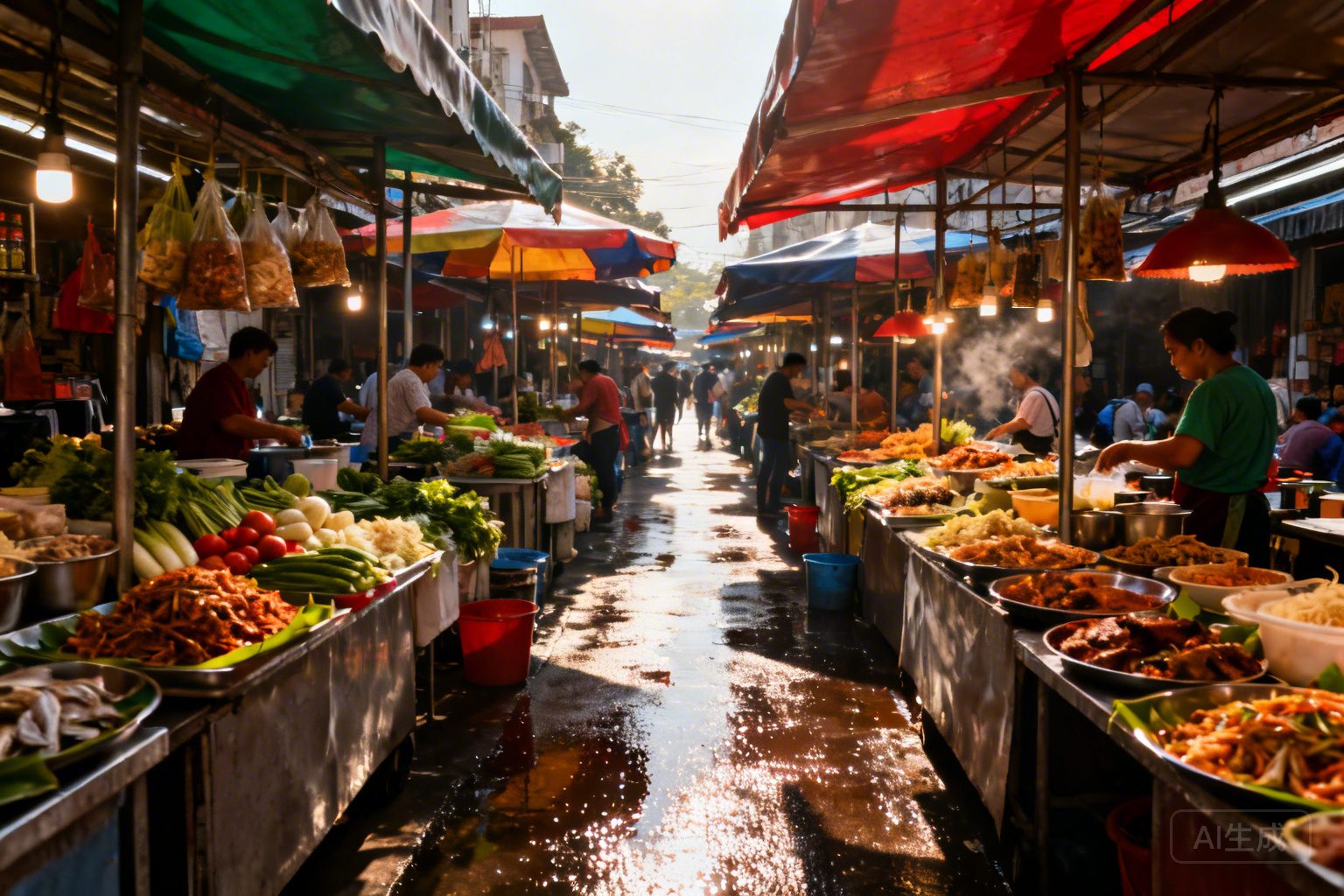
Hong Kong does not breathe; it palpitates. It is a city of frantic, perpendicular ambitions, where the scent of diesel exhaust from the Star Ferry mingles with the cloying, sugar-spun aroma of egg tarts cooling in a shop that hasn’t changed its floor tiles since the British handover. To eat here is to participate in a sacred, frantic ritual. It is a city where a billionaire in a bespoke Loro Piana suit will sit on a plastic stool next to a fishmonger to slurp a bowl of brisket noodles, and neither will acknowledge the other’s existence, bound only by the shared gravity of a perfect broth.
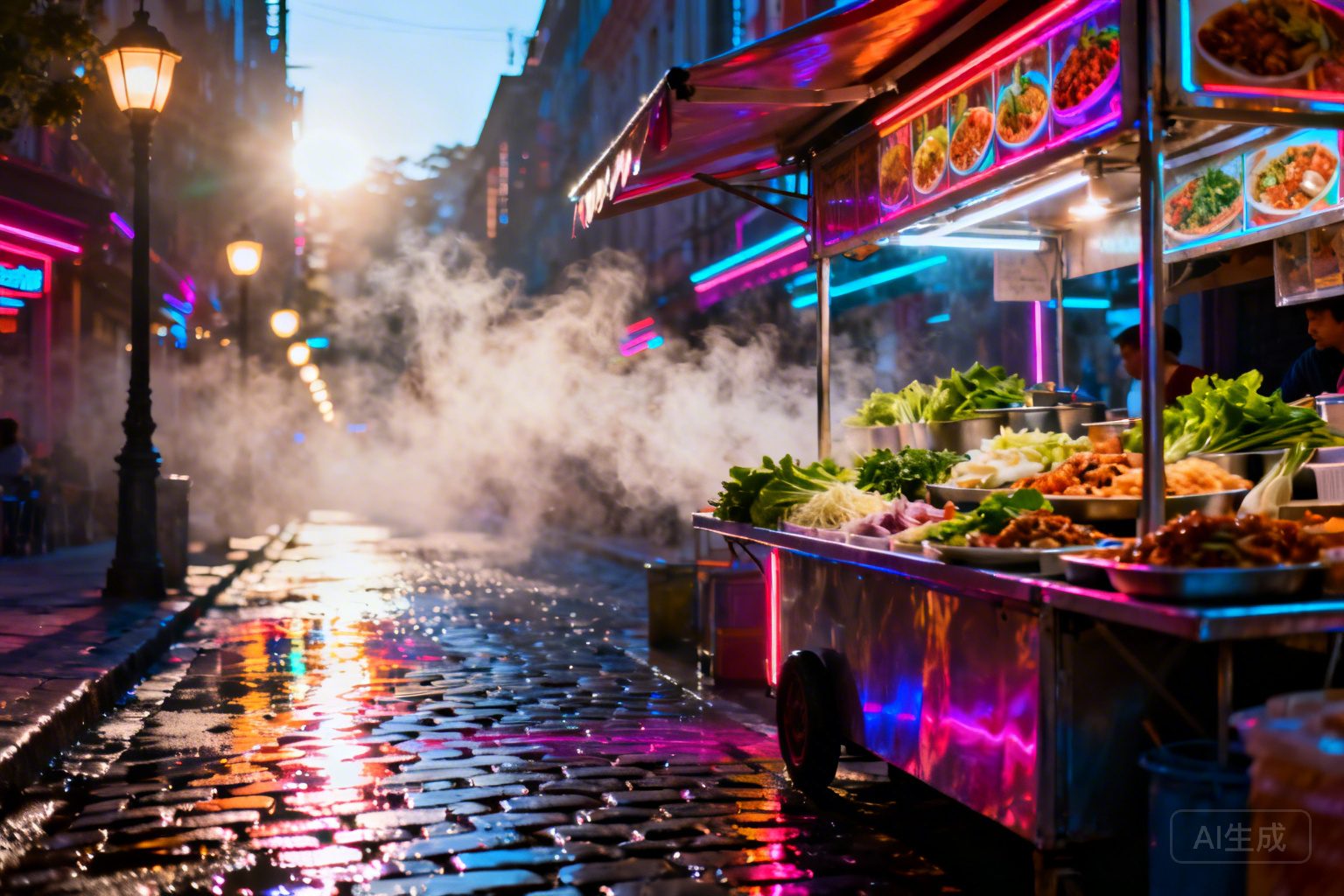
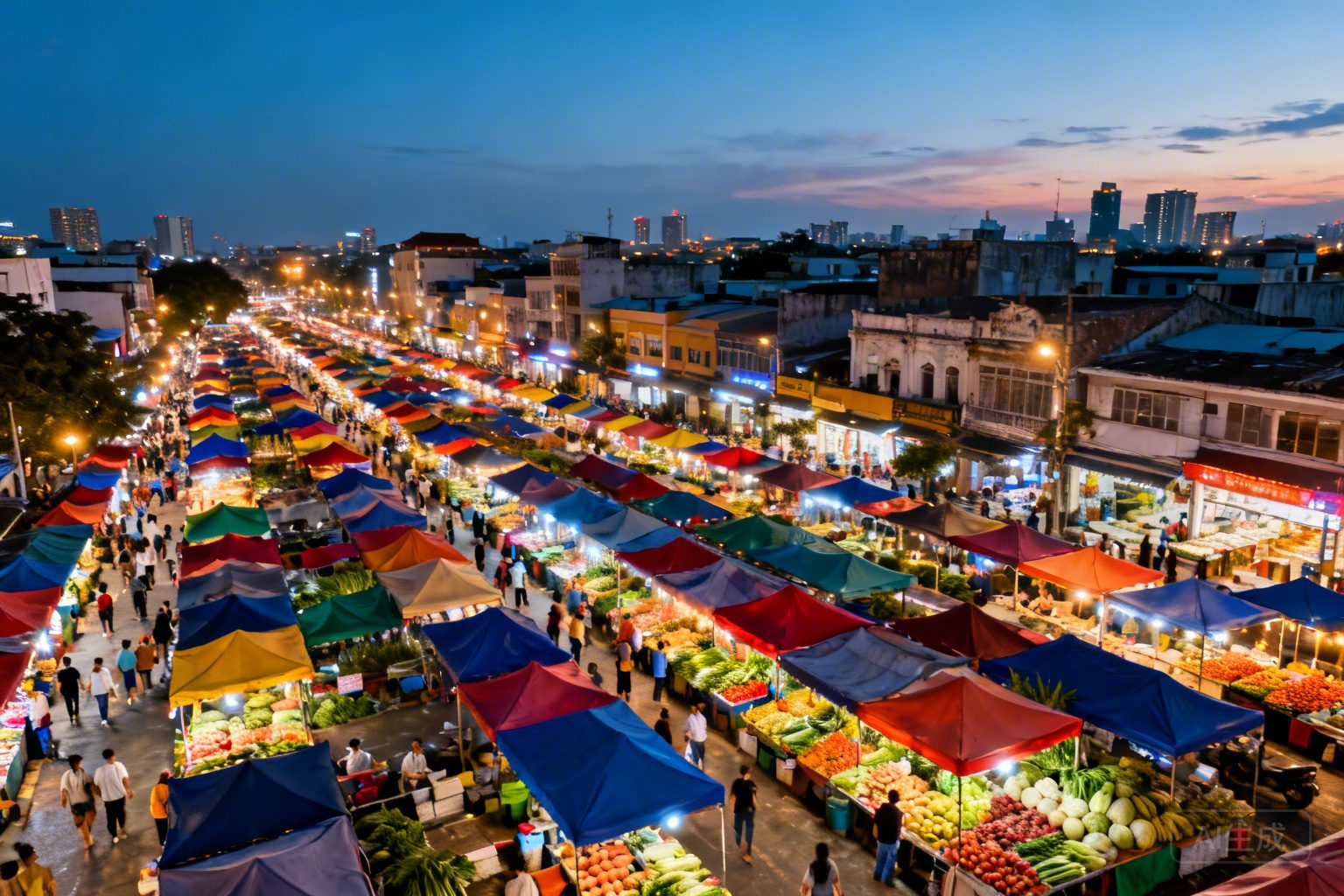
The humidity at the corner of Wellington Street is a physical weight, a damp wool blanket infused with the ghost of roasted goose fat. I watched a brusque waiter at a nearby cha chaan teng flick a cigarette butt into the gutter with the practiced apathy of a man who has seen three stock market crashes and four typhoons. He didn’t look at me. He looked through me, his eyes fixed on some invisible point in the middle distance where the rent is always rising and the tea is never strong enough. This is the backdrop for the most sophisticated culinary landscape on the planet. To find the stars—the Michelin kind—you must first navigate the neon-soaked labyrinth of the mundane.
1. Lung King Heen: The Symphony of the Harbor
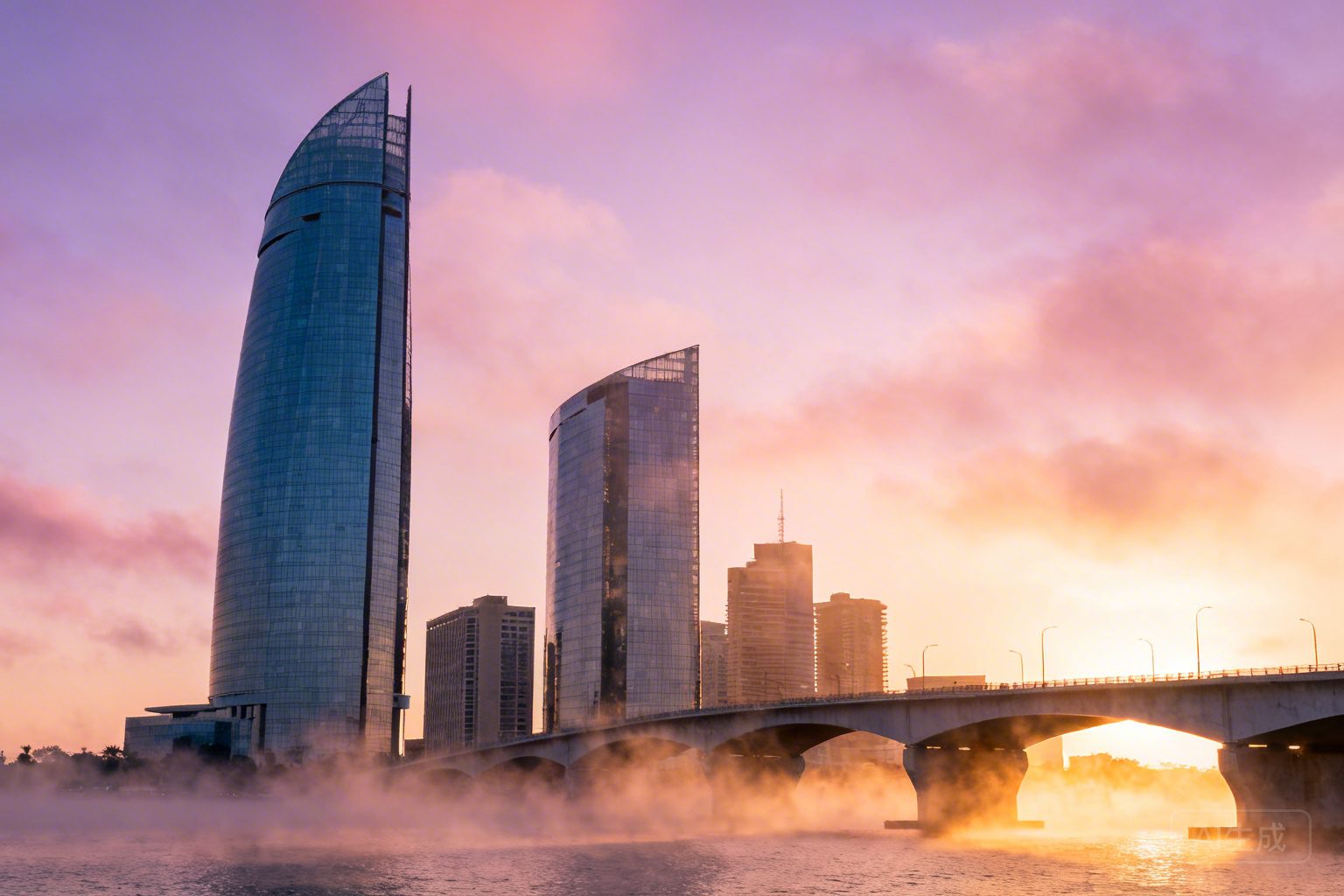
I ascended to the Four Seasons, leaving the humid chaos of Central behind for a silence so profound it felt expensive. Lung King Heen is not merely a restaurant; it is a glass-walled observatory overlooking the Victoria Harbour, where the water churns like liquid pewter under the shadow of the ICC tower. The air here smells of sandalwood and privilege.
The first bite was a lobster dumpling with ginger and spring onion. The skin of the dumpling was translucent, a ghostly membrane holding back a tidal wave of oceanic sweetness. It felt like silk against the tongue before yielding with a snap that echoed the precision of the kitchen. Executive Chef Chan Yan-tak, the first Chinese chef to earn three stars, treats a scallop not as an ingredient, but as an architectural challenge. I watched a silent monk at a corner table—perhaps a man of means, perhaps a visitor from the Lantau monasteries—slowly dismantle a piece of crispy pork belly. He ate with a terrifying focus, his eyes closed, while the world outside flickered in a thousand shades of neon blue. This is the quintessential Hong Kong experience: the collision of the spiritual and the decadent.