Fine Dining in Jeddah: 10 Michelin-Star Restaurants You Must Book Now!
The Salt-Stained Threshold: A Prelude to the Red Sea’s Culinary Awakening
The humidity in Jeddah does not merely hang; it clings, a damp wool blanket infused with the scent of brine and burning oud. It is a city that breathes through its pores, a limestone labyrinth where the ancient coral stones of Al-Balad sweat under the relentless gaze of the Tihama sun. To arrive here is to enter a dialogue with history—a conversation shouted over the roar of a dusty air conditioner and whispered in the cool, marble recesses of a palace-turned-diner. For decades, the world saw Jeddah as a transit point, a gateway for pilgrims whose eyes were fixed on the inland horizon toward Mecca. But something has shifted in the air, a tectonic movement in the city’s gastronomic soul. The Michelin inspectors have arrived, and with them, a validation of a flavor profile that has been marinating for fourteen centuries.
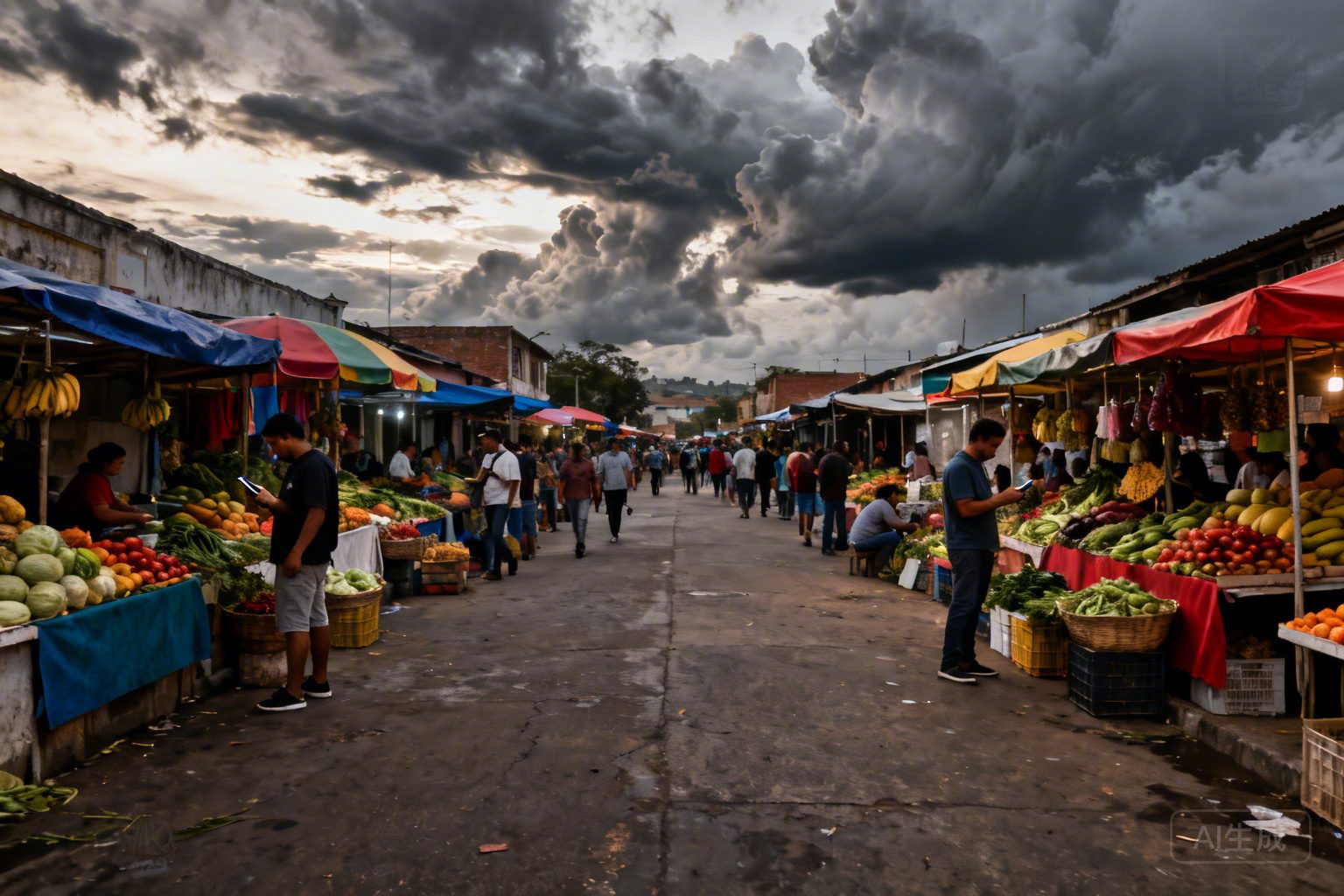
I stand at the corner of Al-Dhahab Street, where the wind carries a specific, metallic chill from the harbor, clashing with the heat radiating off the asphalt. A street vendor, his thobe stained with the ochre dust of the afternoon, screams the price of pomegranates in a pitch so high it vibrates in my molars. Beside him, a frantic office worker in a crisp, starch-stiffened shirt checks his watch with a violence that suggests he is racing against the very concept of time. This is the friction of Jeddah. It is the grit beneath the fingernails of a city that is suddenly, dizzyingly, finding itself under the spotlight of global haute cuisine. Here, the transition from a 100-year-old door with its peeling green paint and rusted iron knockers to a dining room of brushed steel and hand-blown glass is not a journey, but a single step across a threshold.
1. Myazu: The Geometry of Smoke
We begin in the Al Rawdah district, where the architecture feels like a physical manifestation of ambition. Myazu is not merely a restaurant; it is a temple to the Japanese aesthetic, filtered through a Saudi lens of opulence. The air inside is precisely calibrated—a dry, expensive coolness that smells of cedarwood and high-grade soy. I watch a chef, his movements as clipped and deliberate as a calligrapher’s stroke, sear a piece of Wagyu with a blowtorch. The fat renders instantly, a soft hiss that is lost beneath the low thrum of deep-house music.
The yellowtail sashimi arrives draped in a citrus-truffle dressing that tastes like a lightning strike on a summer night. It is sharp, electric, and fleeting. In the corner, a group of young Saudi entrepreneurs, their voices a melodic mix of Hijazi Arabic and Ivy League English, debate the merits of venture capital over plates of black cod. This is the new Jeddah: sophisticated, globalized, yet rooted in a culture that treats hospitality as a sacred duty. The Michelin star here feels less like an award and more like a natural consequence of obsession.