Food Lover’s Guide: 12 Best Eateries in Johannesburg You Have to Try!
The Gold-Dust Palate: A Fever Dream of Johannesburg
Johannesburg is not a city that invites you in; it is a city that dares you to survive it. It is a sprawling, jagged heartbeat of red dust and high-altitude sunlight that tastes like copper and ozone. They call it Egoli—the City of Gold—but the gold isn’t under the ground anymore. It has migrated. It’s in the burnt-orange skin of a flame-grilled chicken in Rosettenville; it’s in the amber liquid of a craft gin sipped on a rooftop in Maboneng while the sky bruises into a deep, electric violet. To eat here is to participate in a grand, chaotic ritual of reclamation. You aren’t just consuming calories; you are devouring the history of a fractured land trying to taste itself whole again.
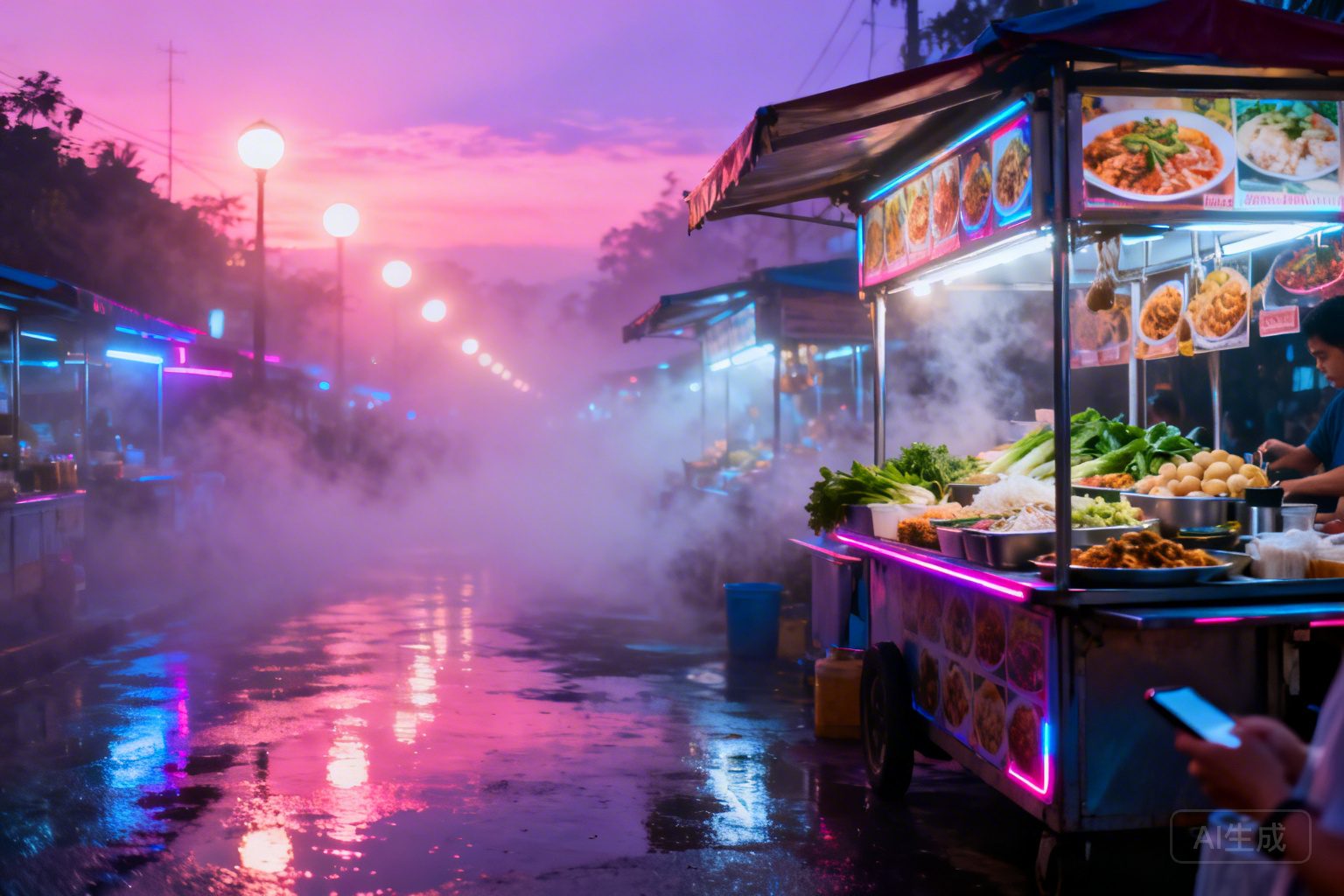
The wind at the corner of Fox and Kruger Streets carries the scent of roasting coffee and exhaust fumes, a sharp, bracing chill that reminds you that you are 1,753 meters above the sea. Here, the buildings wear their age like scars. I run my hand along a corrugated iron fence, the rust flaking off in burnt-sienna scales, gritty against my palm. The city vibrates. It is the sound of a million taxi hooters—a frantic, rhythmic staccato—interspersed with the low, melodic hum of street vendors selling grilled mealies over repurposed oil drums. “Sweet corn, mama! Sweet corn!” The cry is a high, sliding tenor that cuts through the rumble of a passing truck.
1. Pata Pata: The Rhythm of Maboneng
In the heart of the Maboneng Precinct, where the gentrification is still fighting a decorative war against the grit of the old industrial warehouses, stands Pata Pata. Named after Miriam Makeba’s iconic song, the air inside is thick with the smell of slow-cooked lamb and the ghost of 1960s jazz. The furniture is a hodgepodge of mid-century velvet and scarred wood, looking as though it were salvaged from a bachelor pad in a Hillbrow that no longer exists.
I watch a waitress with eyelashes like spider legs navigate the crowded floor. She moves with a languid grace, balancing a tray of mogodu—tripe—that sends a funky, earthy steam into the rafters. The man at the next table is a “Skhothane,” dressed in a suit the color of a neon lime, his shoes polished to a mirror finish. He eats his lamb stew with a surgical precision, never letting a drop of the rich, mahogany gravy touch his silk tie. The tripe is chewy, resistant, a textural journey that demands your full attention, tasting of the veld and the hard-won soil.