Food Lover’s Guide: 12 Best Eateries in Vancouver You Have to Try!
The Glass Metropolis and the Salt-Stained Table
Vancouver is a city of relentless reflection. It is a jagged skyline of emerald and charcoal glass that mirrored the shifting moods of the Pacific long before the first steel beam was driven into the marshy silt of the Burrard Inlet. Here, the air doesn’t just blow; it leans against you, thick with the scent of cedar rot and the metallic tang of an incoming tide. To eat here is to participate in a grand, edible experiment of geography—a collision of the old-world fog and the neon-soaked future. We don’t just dine; we excavate.
The light at 7:00 AM on East Hastings is a bruised mauve. I am standing outside a door where the paint is peeling in long, curled strips like dried cedar bark, revealing a century of previous iterations: ochre, forest green, and a defiant, faded crimson. This is the threshold of the city’s hunger. The wind at the corner of Carrall Street is exactly four degrees cooler than the rest of the block, a draft pulled straight from the dark lungs of the harbor.
I watch a man who must be eighty, a silent monk of the sidewalk, moving with a grace that defies the frantic rhythm of the office workers scurrying toward the Waterfront. He carries a single plastic bag of bok choy, his fingers knotted like ginger root. He doesn’t look at the sky. He looks at the cracks in the pavement where the moss grows thick and damp. This is the Vancouver dichotomy: the frantic climb and the steady, rooted crawl.
1. St. Lawrence: The Quebeçois Alchemist
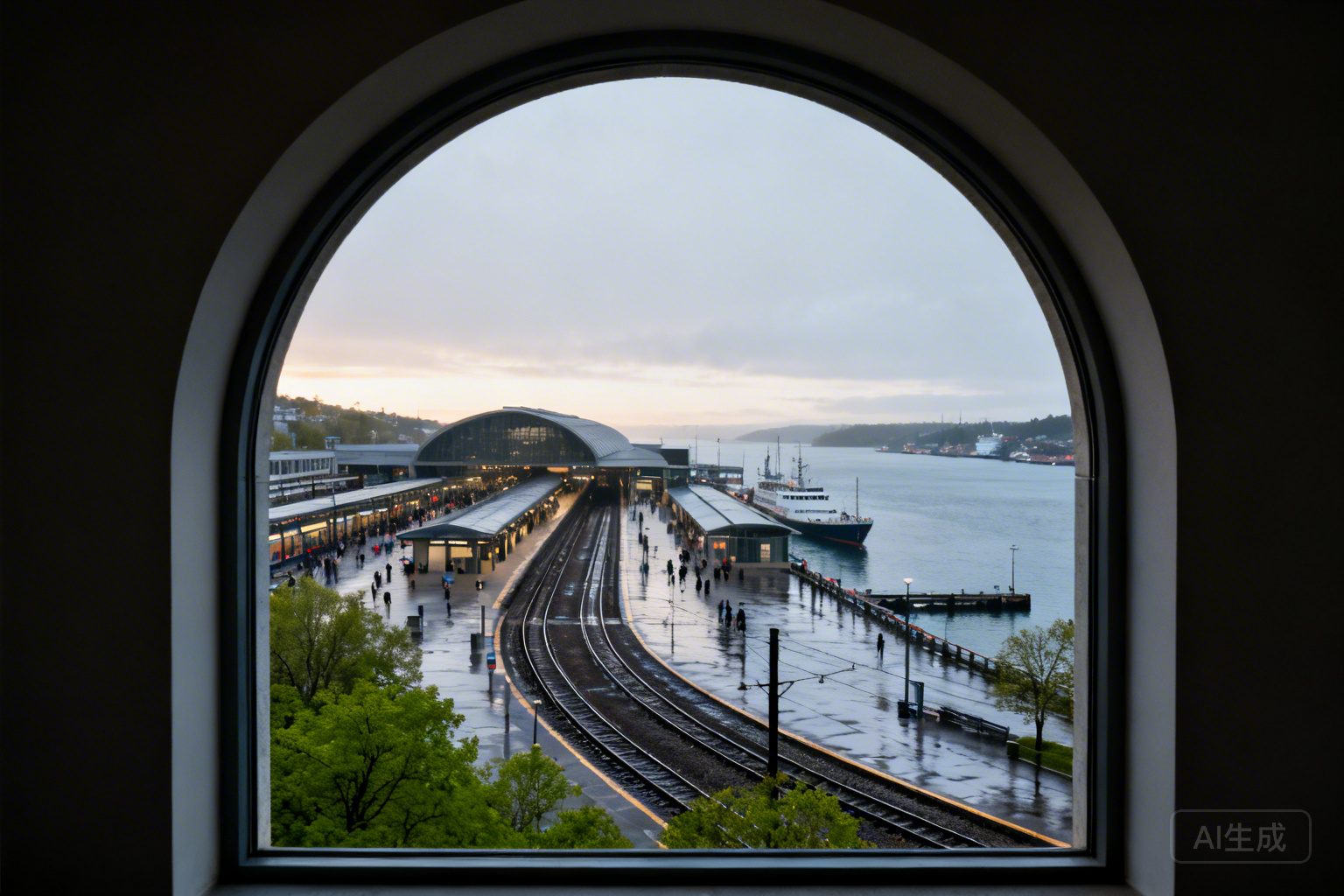
In the Railtown district, where the screech of train wheels on steel creates a permanent industrial soundtrack, lies St. Lawrence. The interior is a shrine to a romanticized, buttery past—blue-panelled walls and the heavy, intoxicating scent of clarified butter. Chef J-C Poirier isn’t just cooking; he is translating the rugged soul of Quebec into the language of the West Coast.