Foodie Alert: Ranking the Best Places to Eat in Salzburg Right Now!
The Salt of the Earth: A Gastronomic Pilgrimage Through the Baroque Labyrinth
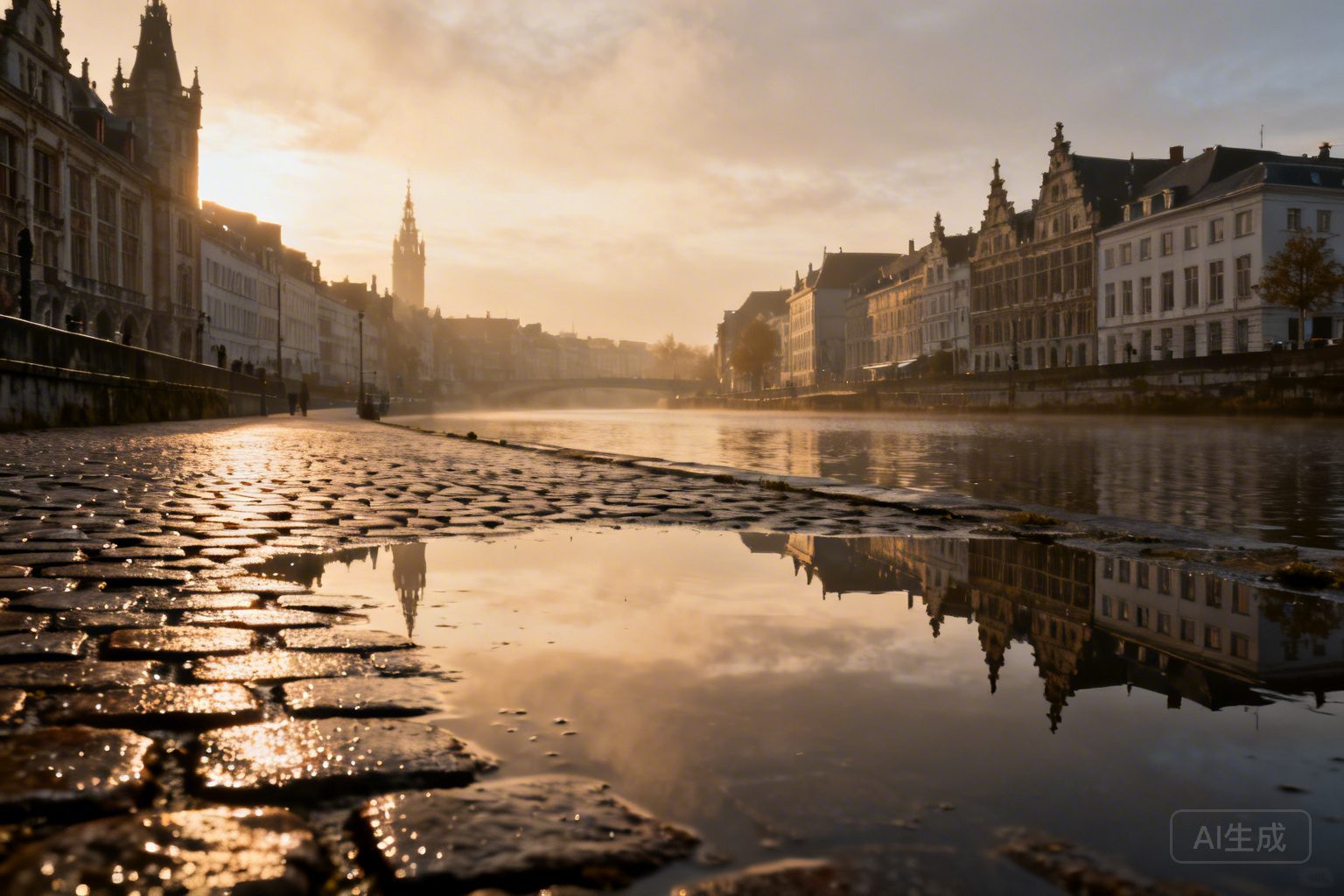
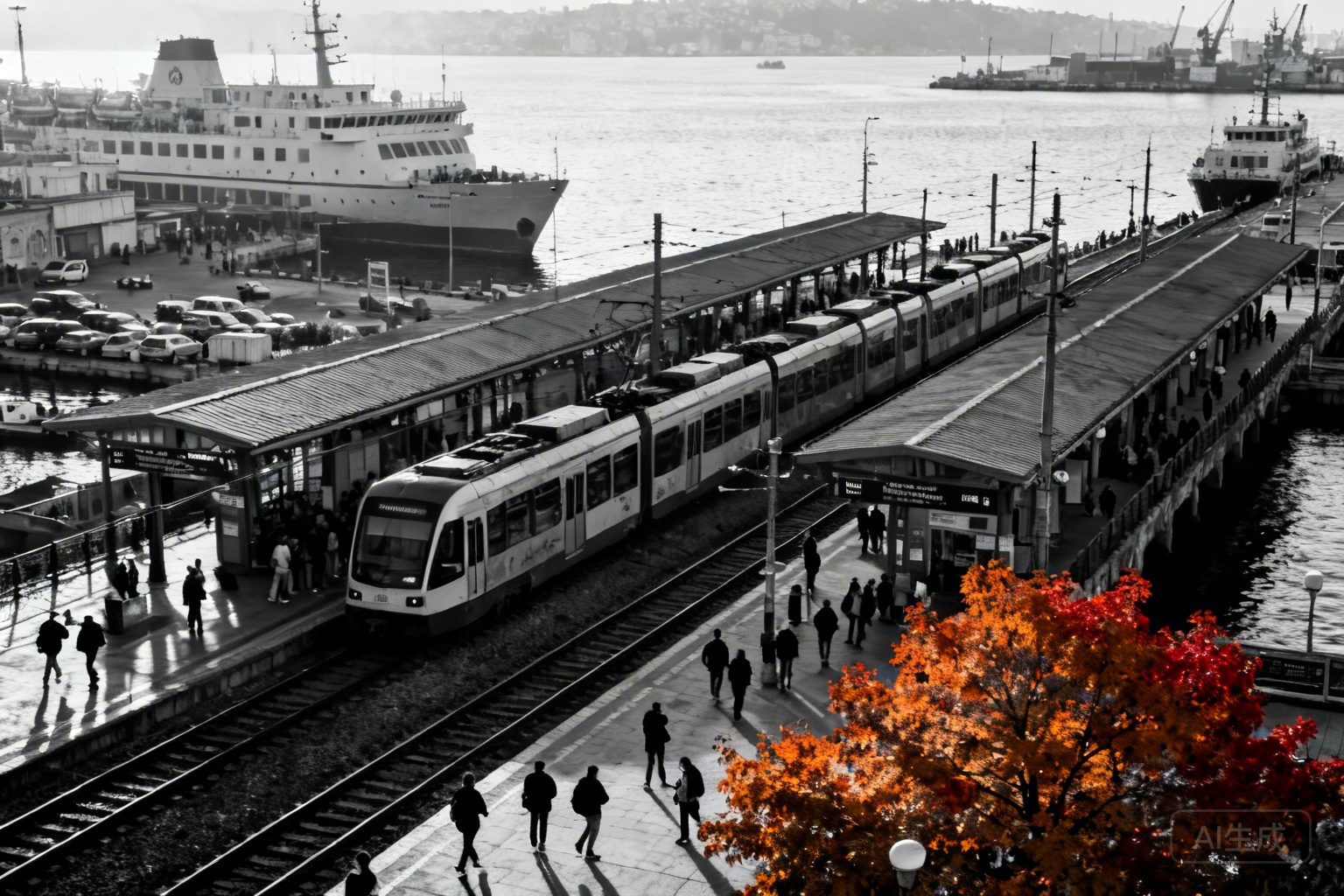
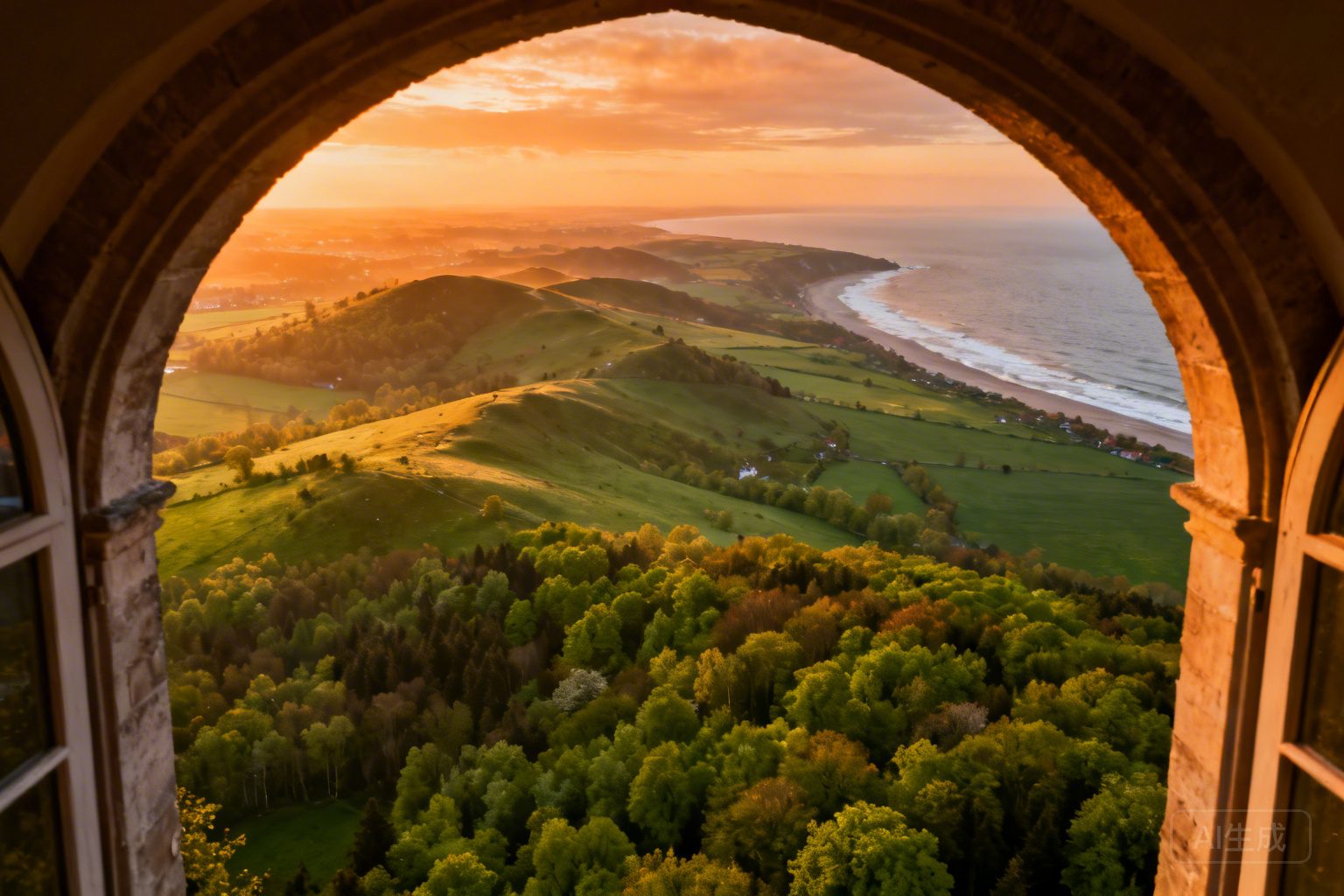
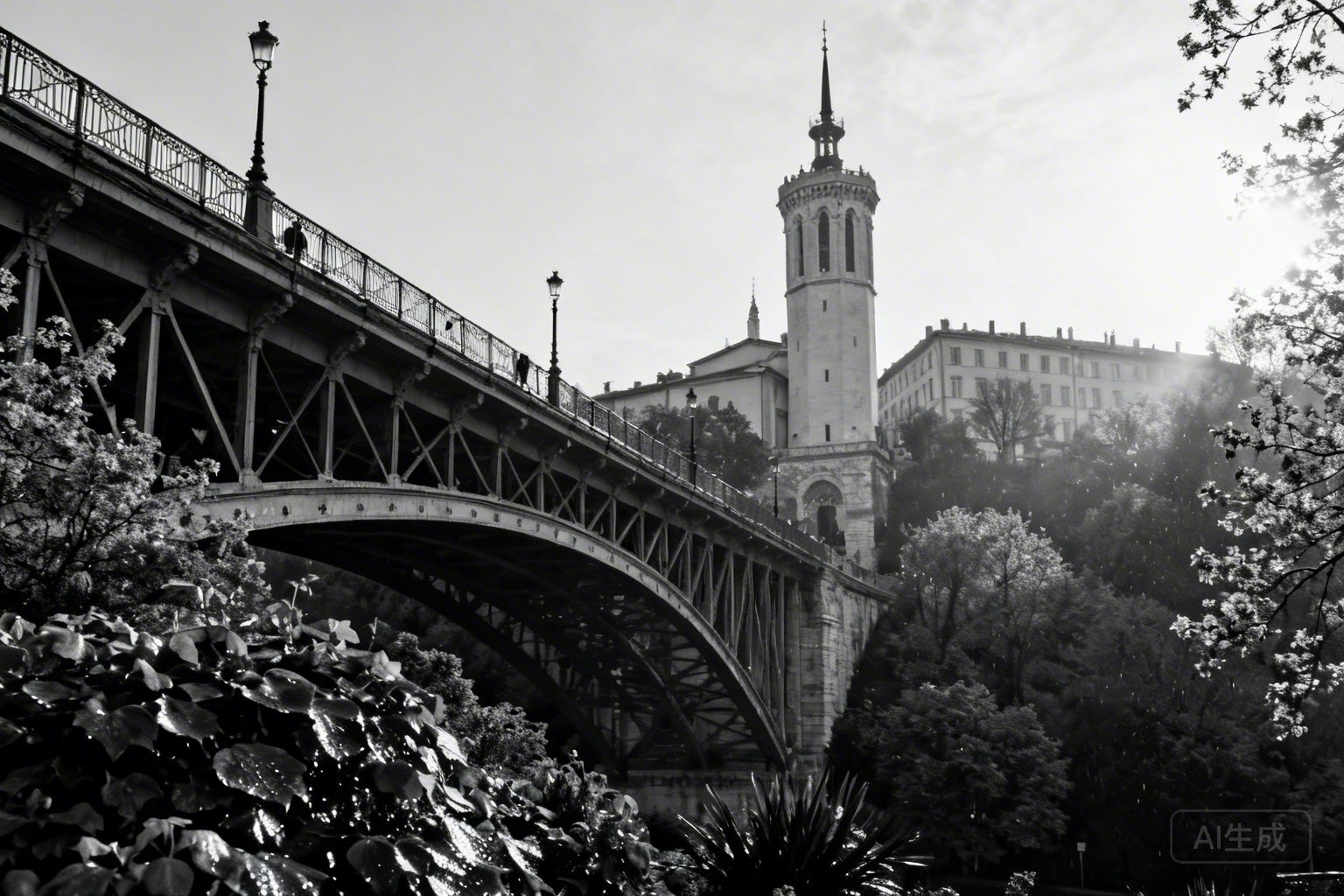
The wind in Salzburg does not merely blow; it orchestrates. It catches the sharp, metallic scent of the Salzach River and flings it against the lime-washed facades of the Altstadt, carrying with it the ghost of a thousand years of trade. Standing on the Staatsbrücke at 8:00 AM, the air is a thin, brittle sheet of glass, vibrating with the low-frequency hum of a city waking up to its own prestige. To the left, the Hohensalzburg Fortress looms like a petrified giant, its gray stone walls weeping with the damp of a thousand Alpine winters. To the right, the Getreidegasse begins its slow, rhythmic pulse—a vein of gold and cobblestone where the iron-wrought signs of guild-age shops creak in a minor key.
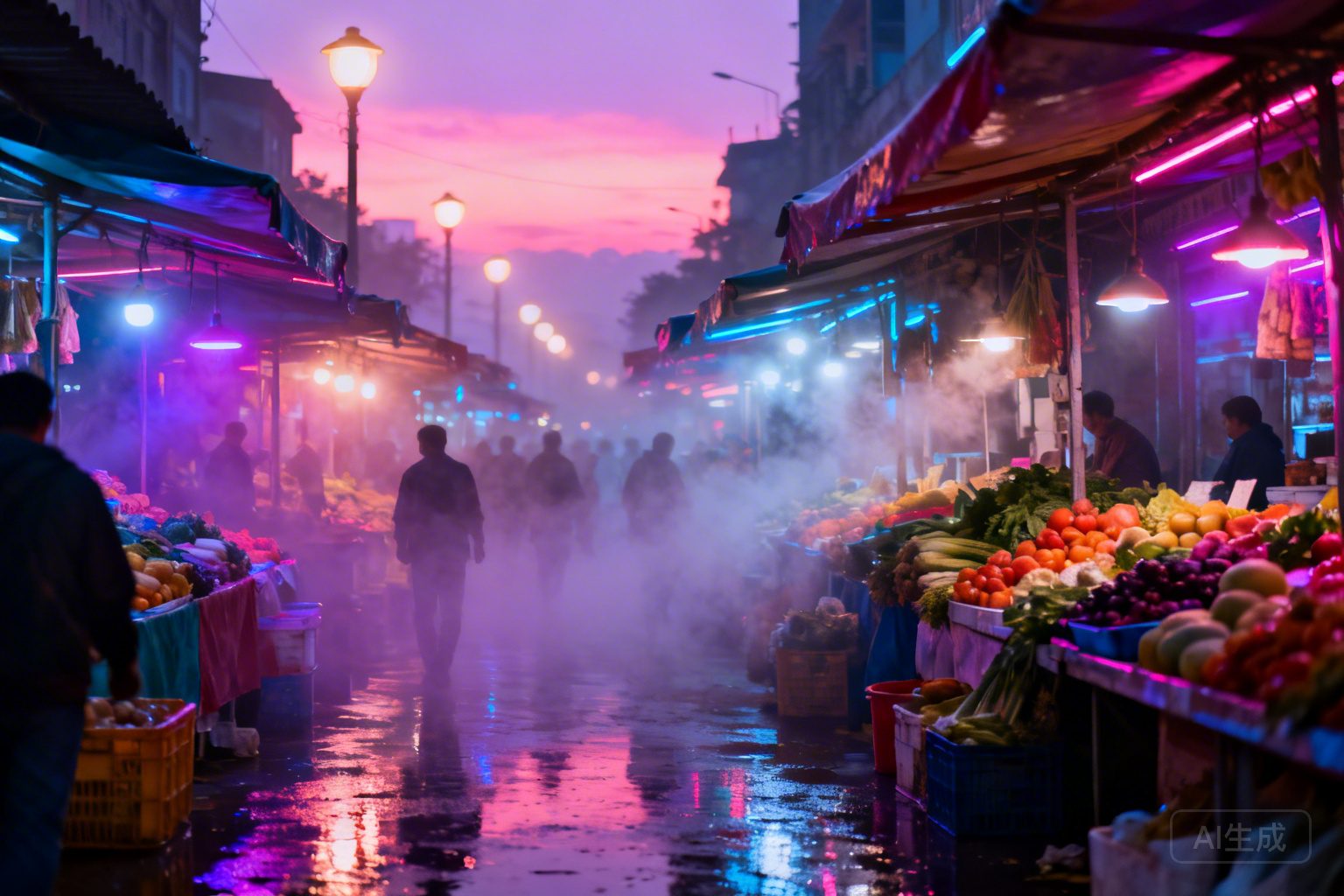
Salzburg is a city built on salt and sound, yet today, it is sustained by the religion of the palate. This is not the sterile, Michelin-starred austerity of Paris, nor the chaotic, neon-drenched fervor of Tokyo. It is a slow, methodical indulgence. Here, the act of eating is a communion with the past, a ritual performed in wood-paneled rooms where the scent of beeswax and centuries-old soot clings to the curtains. To understand the ranking of this city’s culinary heart, one must be willing to get lost in its shadows, to follow the smell of charred flour and melting butter through alleys so narrow they feel like architectural secrets.
I. The Morning Altar: St. Peter Stiftskulinarium
There is a specific door at the base of the Mönchsberg mountain, a slab of ancient oak with paint peeling in flakes the color of dried blood. Behind it lies a subterranean world. They claim this is the oldest restaurant in Europe, serving guests since 803 AD. Whether the legend of Charlemagne dining here is true matters less than the texture of the air inside; it is heavy, cool, and smells of damp stone and expensive Riesling. The waiter, a man named Klaus with eyebrows like two startled caterpillars, moves with a brusque, geometric efficiency. He does not ask if you are ready; he waits for you to prove you are worthy of the table.
The breakfast here is a study in Alpine discipline. A single, soft-boiled egg sits in a silver cup, its shell the color of a porcelain doll’s cheek. When cracked, the yolk bleeds a deep, sunset orange—a testament to hens raised on high-altitude grasses. We rank this as the definitive start because of the Strizel, a braided brioche that pulls apart in long, buttery threads, steaming slightly as it meets the cold morning air. You sit amongst the silent monks from the neighboring abbey, men who move like shadows in heavy wool robes, their faces mapped with wrinkles that look like topographical charts of the surrounding peaks. They eat in a silence so profound it makes the clink of your silver spoon feel like a transgression.