From Street Food to Fine Dining: 10 Best Places to Eat in Cancun!
The Turquoise Fever Dream: A Gastronomic Odyssey Through Cancún
The humidity in Cancún is not merely a weather condition; it is a physical weight, a wet wool blanket flavored with salt spray and the omnipresent scent of charred corn. Most travelers experience this city as a high-definition blur of all-inclusive lobbies and chlorinated turquoise pools, a sanitized version of Mexico where the napkins are linen and the tequila is overpriced. But there is another city, one that breathes in the rhythmic rasp of the machete and exhales the blue-gray smoke of charcoal grills. It is a city of contradictions, where a hundred-year-old door in the downtown core—its turquoise paint peeling like sunburnt skin to reveal the gray cedar beneath—guards secrets more delicious than any five-star resort could manufacture.
I started my journey at the intersection of Avenida Tulum and Cobá, where the traffic is a frantic ballet of rusted Volkswagens and gleaming tour buses. The air here tastes of diesel and jasmine. Here, the frantic office worker, tie loosened and brow beaded with sweat, stands shoulder-to-shoulder with the construction laborer. They are united by a singular, primal pursuit: the perfect breakfast. The city was waking up, a low thrum of energy rising with the sun that turned the Caribbean into a sheet of hammered silver.
1. El Parque de las Palapas: The Altar of the Esquites
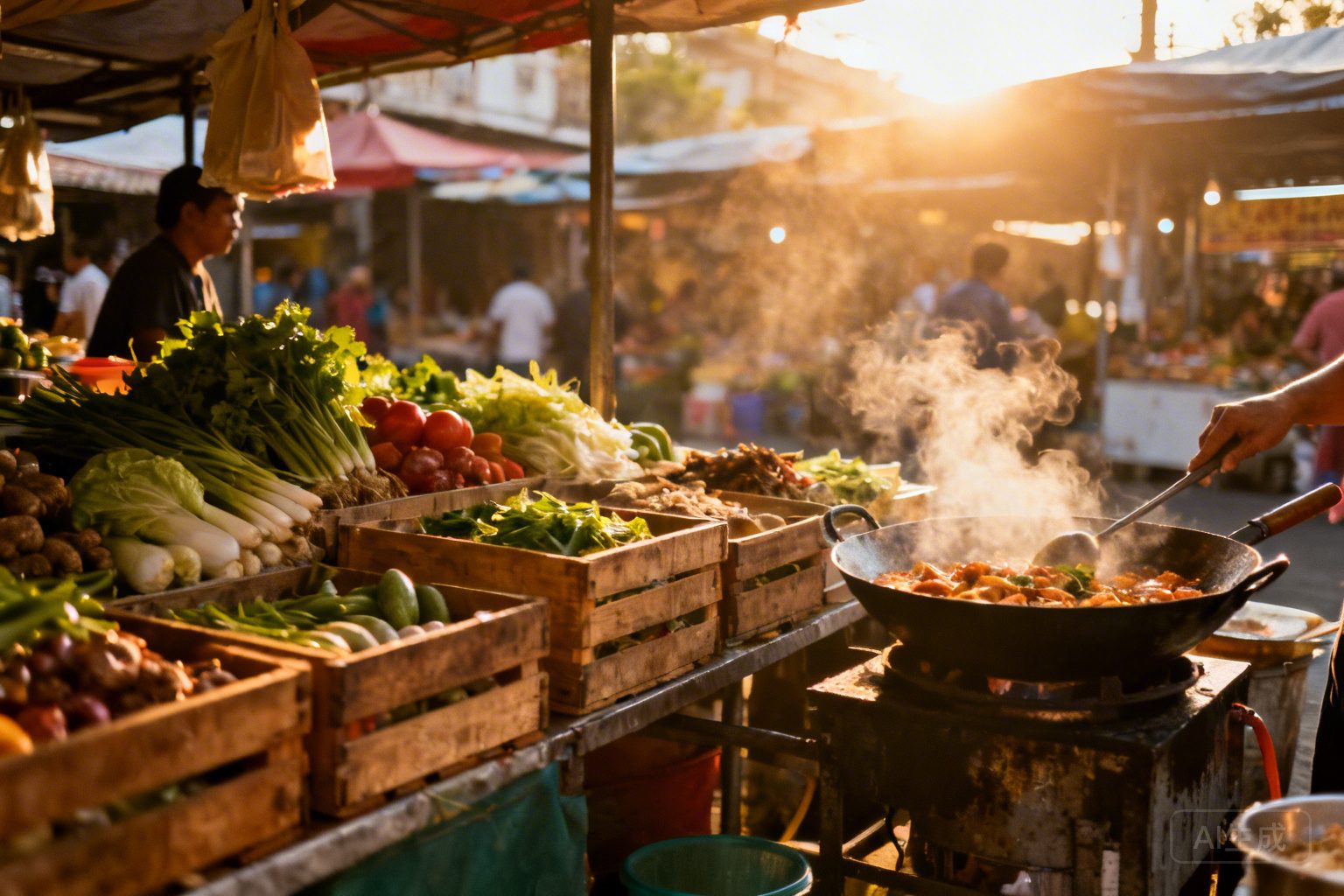
To understand Cancún, you must begin at its heart, far from the Hotel Zone’s neon pulse. El Parque de las Palapas is a concrete stage where the theater of daily life unfolds. In the early evening, the air is thick with the cries of vendors—a specific, melodic pitch that rises above the laughter of children. “¡Esquites! ¡Esquites, joven!” The sound is percussive, rhythmic, almost liturgical. I found myself drawn to a small cart, its stainless steel gleaming under the flickering yellow streetlamps.
The esquites here are a revelation. The corn kernels, boiled with epazote until they pop with a vegetal sweetness, are layered into a cup with a heavy dollop of mayonnaise, a dusting of salty cotija cheese, and a squeeze of lime that cuts through the fat like a razor. The texture is a chaotic harmony—the crunch of the corn, the silkiness of the cream, the sharp grit of the chili powder. I watched an elderly woman, her face a map of deep-set wrinkles and sun-drenched history, meticulously assemble each cup. She worked with the quiet intensity of a diamond cutter. Each movement was deliberate, a legacy passed down through generations of Mayan kitchens where corn was not just food, but the very fabric of creation.