From Street Food to Fine Dining: 10 Best Places to Eat in Caracas!
The Concrete Jungle’s Culinary Pulse: Survival and Excess in Caracas
I’ve been living in Caracas for six months now, and the first thing you learn is that this city doesn’t care about your plans. It is a beautiful, chaotic, soot-stained beast cradled by the Avila mountain. People come here expecting a crisis-torn shell, but what they find is a city that eats better than almost any capital in South America. If you have dollars—and you will need them, as the economy is effectively dollarized—Caracas is a playground of sensory overload. To disappear here, you have to stop looking like a tourist and start acting like someone who has nowhere else to be. You learn to navigate the mototaxis, you learn that “ten minutes” means forty, and you learn that the best food is often found behind a nondescript steel door or under a plastic tarp.
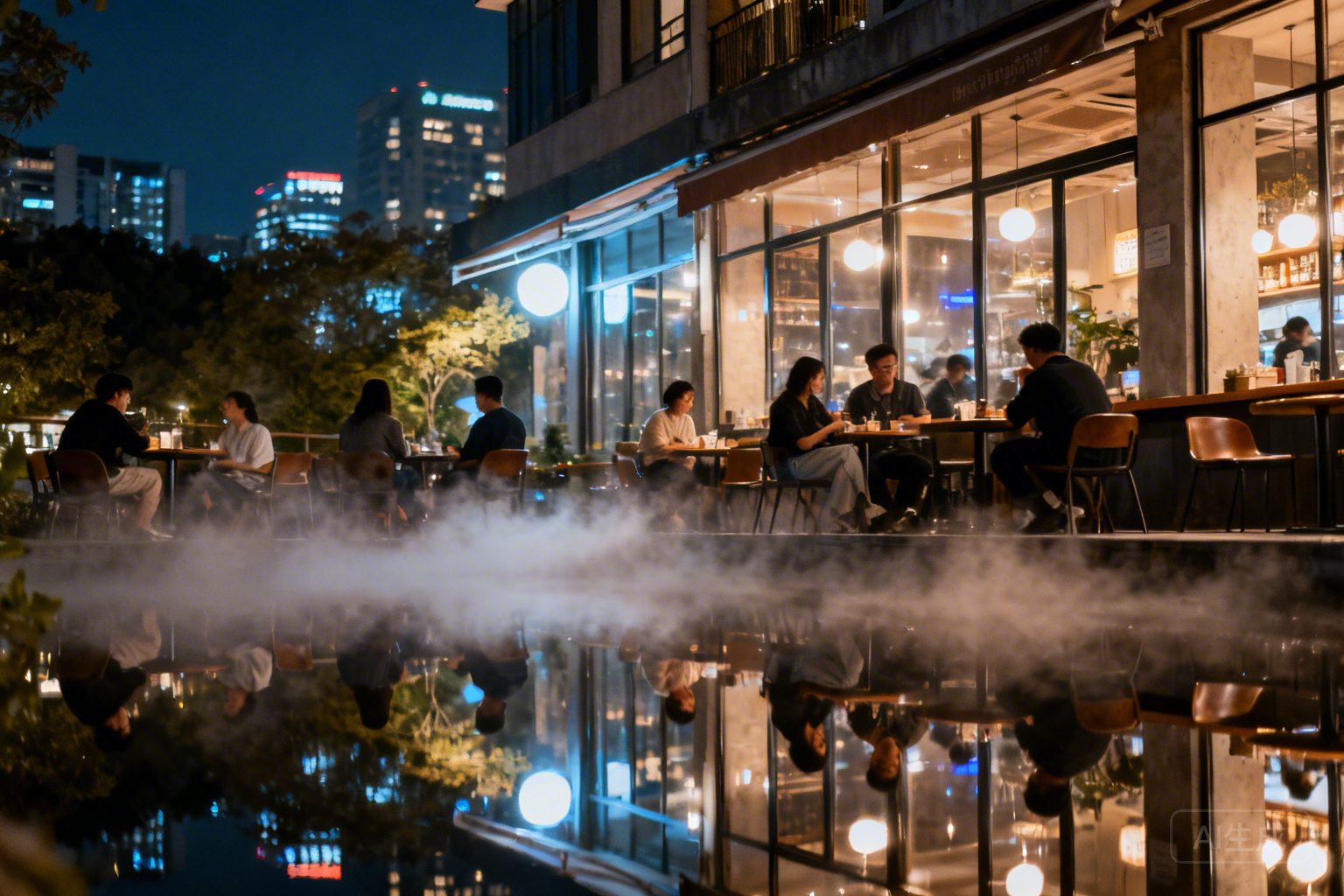
Living as a digital nomad here isn’t about co-working spaces with avocado toast. It’s about finding the one cafe in Los Palos Grandes where the fiber optic doesn’t drop when the rain starts. It’s about knowing which bodegón stocks the imported coffee you crave and which local market has the freshest ají dulce. Caracas is a city of layers. You don’t just visit; you peel it back until you’re part of the mess.
The Unwritten Rules of the Valley
Before we eat, you need to know how to move. The etiquette here is a strange blend of Caribbean warmth and survivalist grit. Tipping: In restaurants, a 10% service charge is usually included, but it’s customary to leave an extra 5-10% in cash (dollars) if the service was good. In street food stalls, you don’t tip. Queueing: It’s a national sport. If you see a line, ask “¿Quién es el último?” (Who is the last?). That defines your place in the social contract. Safety: Don’t walk with your phone out. It’s not paranoia; it’s just the rule. If you need to check a map, duck into a pharmacy or a shop. Interactions: Venezuelans are incredibly informal. You’ll be called “mi amor,” “papi,” or “rey” by a total stranger. Don’t be stiff; lean into it.
1. Chacao: The Street Food Soul and the Perfect Arepa
Chacao is the dense, walkable heart of the city. It’s where the old-school Spanish and Italian influence meets the grit of the municipal market. If you want to disappear, you start here. My morning ritual involves a walk past the Mercado Municipal de Chacao. This is where you find Pelaos y Listos. It’s not a “restaurant” in the traditional sense; it’s a counter where the steam never stops rising.