From Street Food to Fine Dining: 10 Best Places to Eat in Jaipur!
The Amber Scent of a Pink City
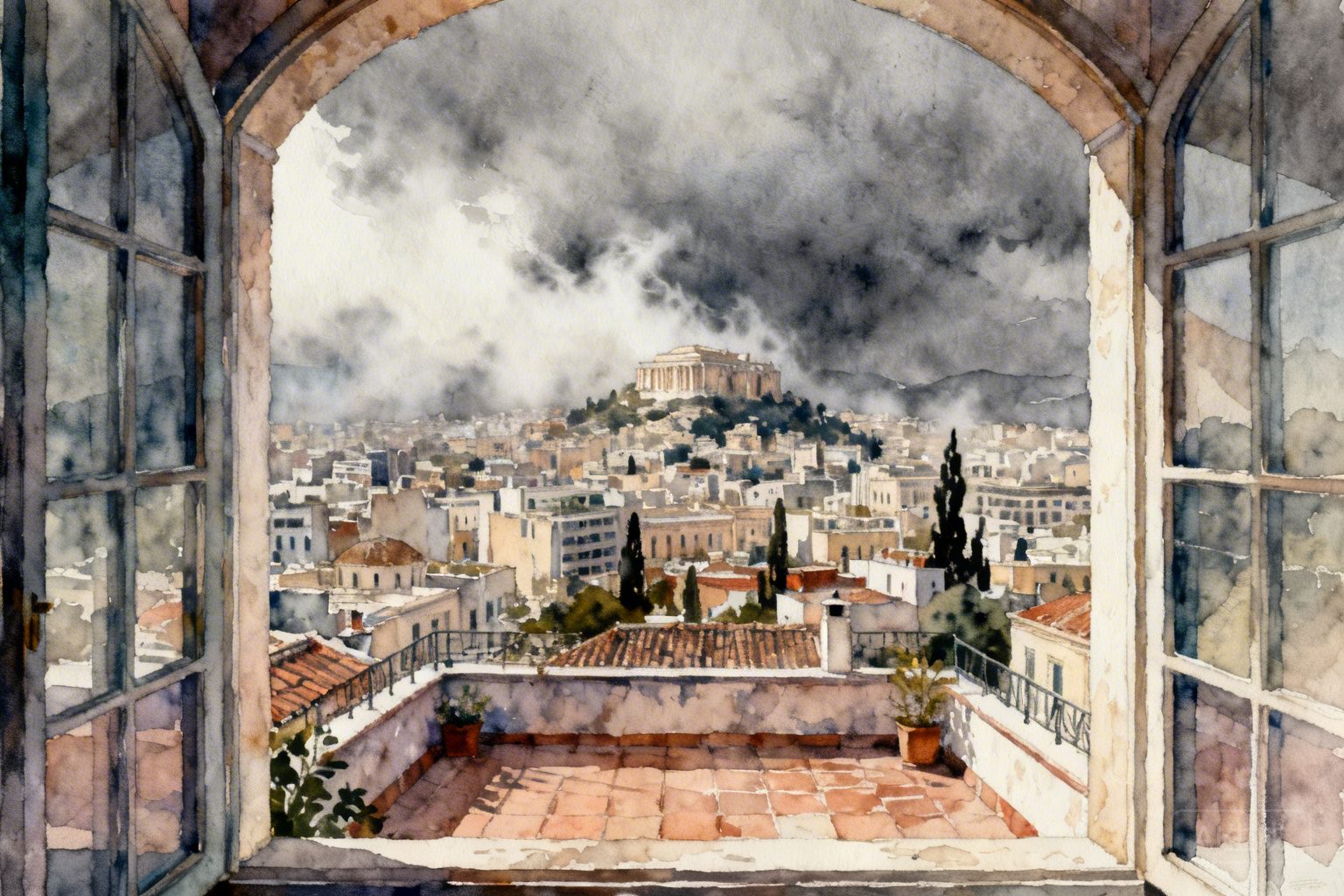
The dawn in Jaipur does not arrive with a whisper; it crashes through the haze of the Thar Desert like a brass gong. At 5:30 AM, the air is a peculiar cocktail of cooling sandstone and the first, faint drift of buffalo dung fires. I am standing at the edge of the Badi Chaupar, where the wind whistles through the honeycomb lattices of the Hawa Mahal with a sound like a flute played by a ghost. The paint on the walls here isn’t just pink; it is a bruised terracotta, peeling in long, jagged strips that reveal the lime-plaster bones of the 18th century underneath. To eat in this city is to consume its history—a messy, spice-stained, regal, and dirt-flecked lineage that stretches from the royal kitchens of the Kachwaha clan to the soot-blackened vats of the Johari Bazaar.
I watch a frantic office worker, his tie flapping over his shoulder like a polyester tongue, dodge a wandering cow with the grace of a matador. He is sprinting toward a destination I already know. In Jaipur, the morning ritual is non-negotiable.
1. Rawat Mishtan Bhandar: The Pyaz Kachori Pilgrimage
The humidity inside Rawat is a physical weight. It is the steam of a thousand boiling vats of oil, thick with the scent of fermented flour and toasted asafoetida. Here, the Pyaz Kachori is not merely a snack; it is a structural marvel. The crust is a topographical map of blisters and crags, shattering under the slightest pressure to reveal a molten, savory interior of caramelized onions and yellow moong dal. It is hot enough to peel the skin from the roof of your mouth, yet you cannot stop.
A brusque waiter with a mustache so sharp it looks like it could draw blood slams a steel plate onto my marble tabletop. He doesn’t ask for an order; he simply knows. The kachori is accompanied by a tamarind chutney that tastes of ancient suns and rusted iron. Around me, the clatter of stainless steel spoons creates a rhythmic percussion. This is the fuel of the city. Without Rawat, the machinery of Jaipur would simply cease to grind.