From Street Food to Fine Dining: 10 Best Places to Eat in Prague!
The Alchemy of Vltava Mist and Roasted Malt
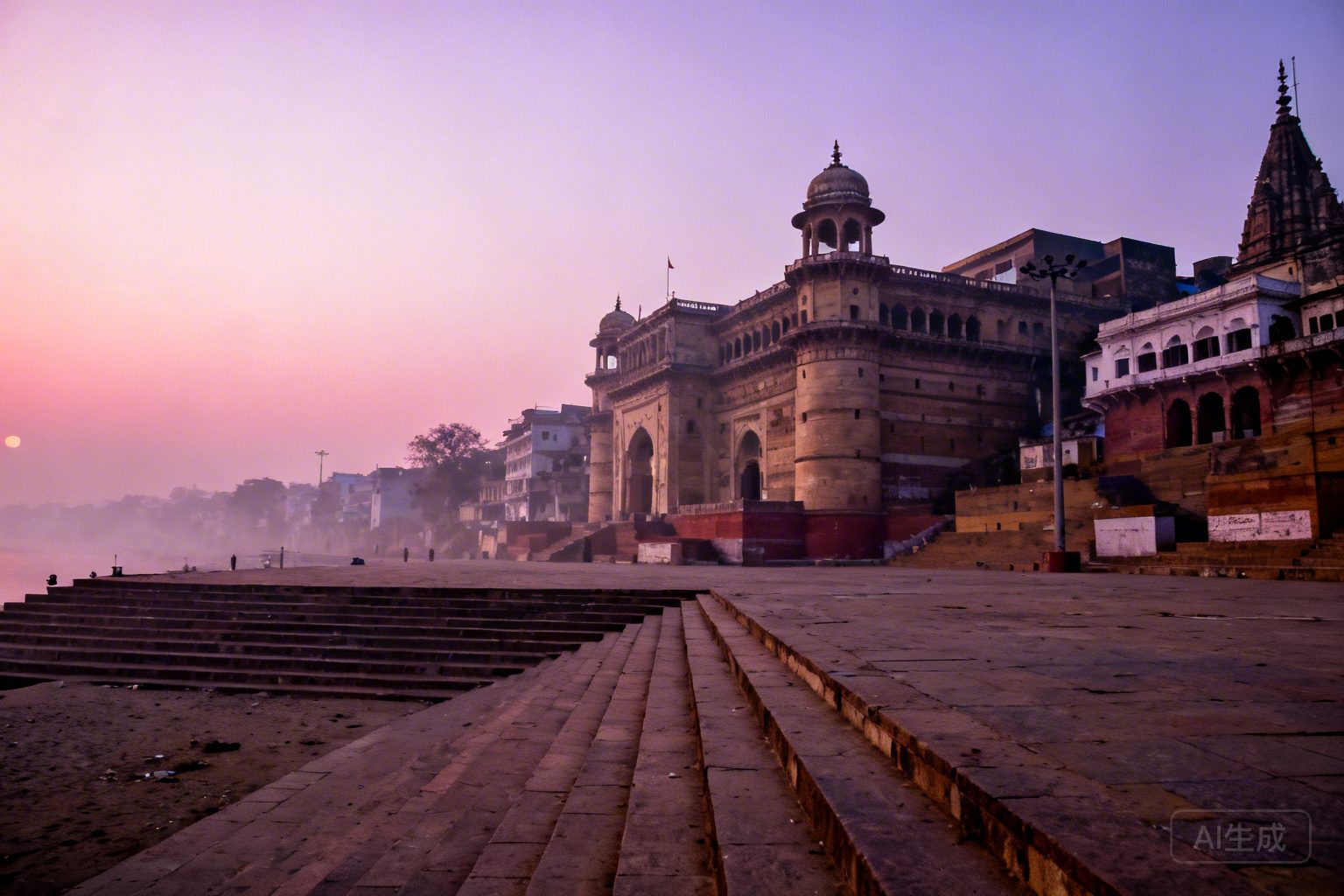
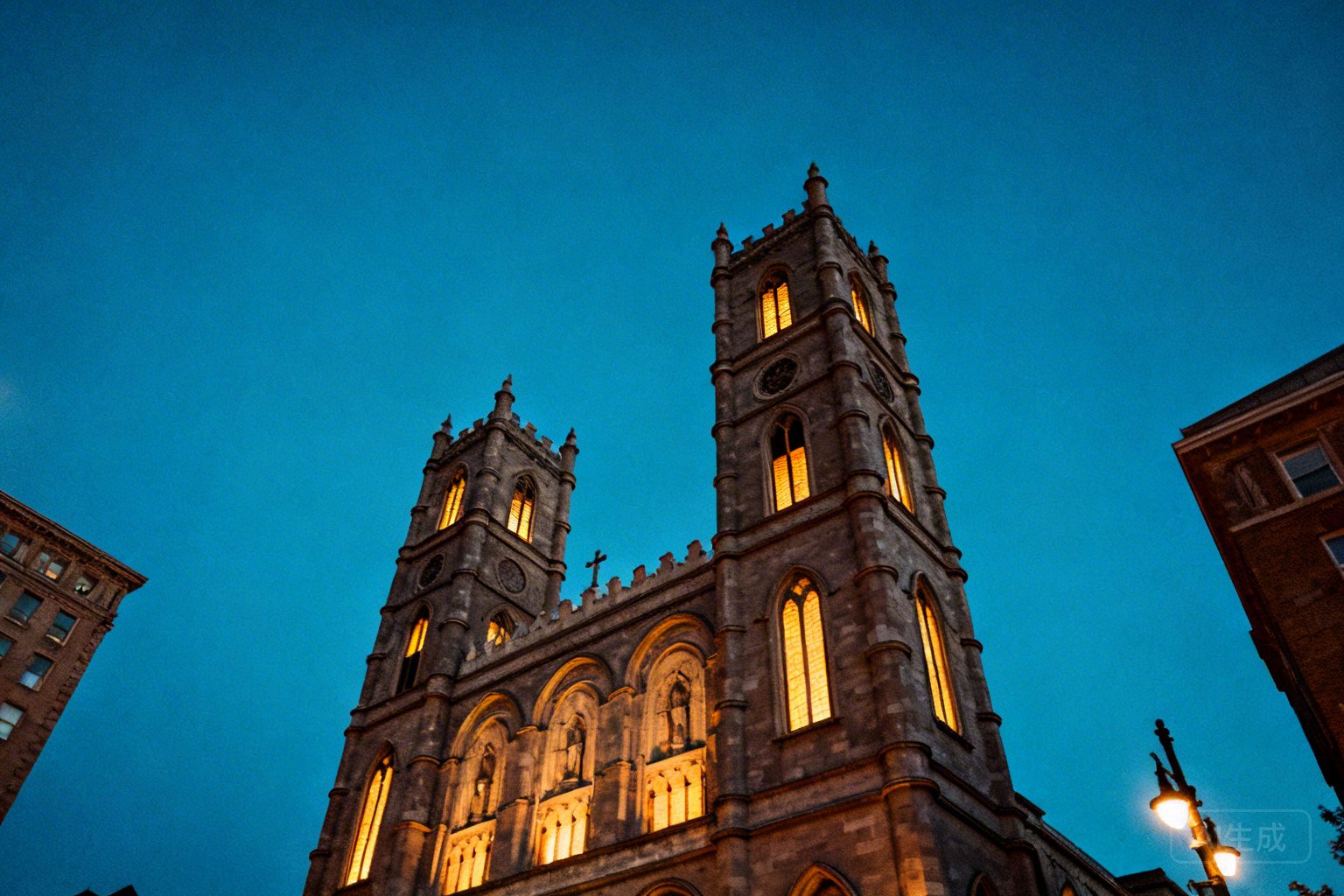
Prague does not reveal itself in the sunlight. To truly see the city, one must wait for the velvet bruise of twilight, when the humidity of the Vltava River rises to meet the cobblestones, turning the streetlights into blurred halos of amber and gaslight. It is a city of layers—architectural, historical, and most importantly, visceral. The air in the Old Town tastes of woodsmoke and damp limestone, a scent that hasn’t changed since the days of Rudolf II’s alchemists. There is a specific vibration here, a hum of ten centuries of footsteps wearing down the schist and granite underfoot.
To eat in Prague is to engage in a dialogue with ghosts. You feel them in the heavy, iron-latched doors of the Staré Město and in the brutalist concrete shadows of the suburbs. It is a journey from the greasy, glorious anarchy of the sidewalk to the hushed, white-linen cathedrals of modern gastronomy. This is not a city for the faint of heart or the light of stomach. It is a city of butter, lard, fermentation, and fire.
1. The Baptism of Fat: Sausage Stalls at Václavské náměstí
My journey begins where the modern city screams loudest. Wenceslas Square is less a square and more a long, sloping boulevard of history and commerce. Here, beneath the equestrian statue of the Good King himself, the air is thick with the scent of Klobása. The kiosks are stainless steel monoliths, glowing under fluorescent strips that make everyone look like a character in a noir film.
The vendor is a woman named Magda—at least, that is what the faded badge on her apron suggests. She has hands that look as though they could crush stones, and she moves with a rhythmic, bored efficiency. She doesn’t speak; she merely points. The Pražská klobása she hands me is a dark, mahogany red, its skin blistered and taut, threatening to snap. When it does, the spray of hot fat is a revelation. It is salty, spiked with heavy doses of garlic and paprika, nestled in a thick, dry slice of rye bread that acts more as a structural tool than a garnish. I stand by a standing-only table, the wind whipping off the National Museum, chilling my neck while the sausage burns my tongue. Around me, frantic office workers in slim-cut suits inhale their lunch in silence, their eyes fixed on some invisible point on the horizon, while a group of teenagers with neon-dyed hair laugh with a desperate, jagged energy.