From Street Food to Fine Dining: 10 Best Places to Eat in São Paulo!
The Concrete Cannibal: Devouring São Paulo
São Paulo is not a city that asks for your permission to exist. It is a sprawling, grey, topographical heartbeat—a megalopolis of twenty million souls that breathes soot and exhales the scent of roasting coffee and burnt diesel. To arrive here is to be swallowed by the “Concrete Jungle,” yet the digestion process is surprisingly delicious. It is a city of verticality, where the shadows of neo-Gothic cathedrals stretch long across the cracked pavement of the Praça da Sé, and where the air tastes of humidity and ambition. To eat here is to participate in an act of cultural cannibalism, a concept the Brazilian Modernists called Antropofagia—the process of devouring foreign influences and regurgitating them as something entirely, fiercely Brazilian.
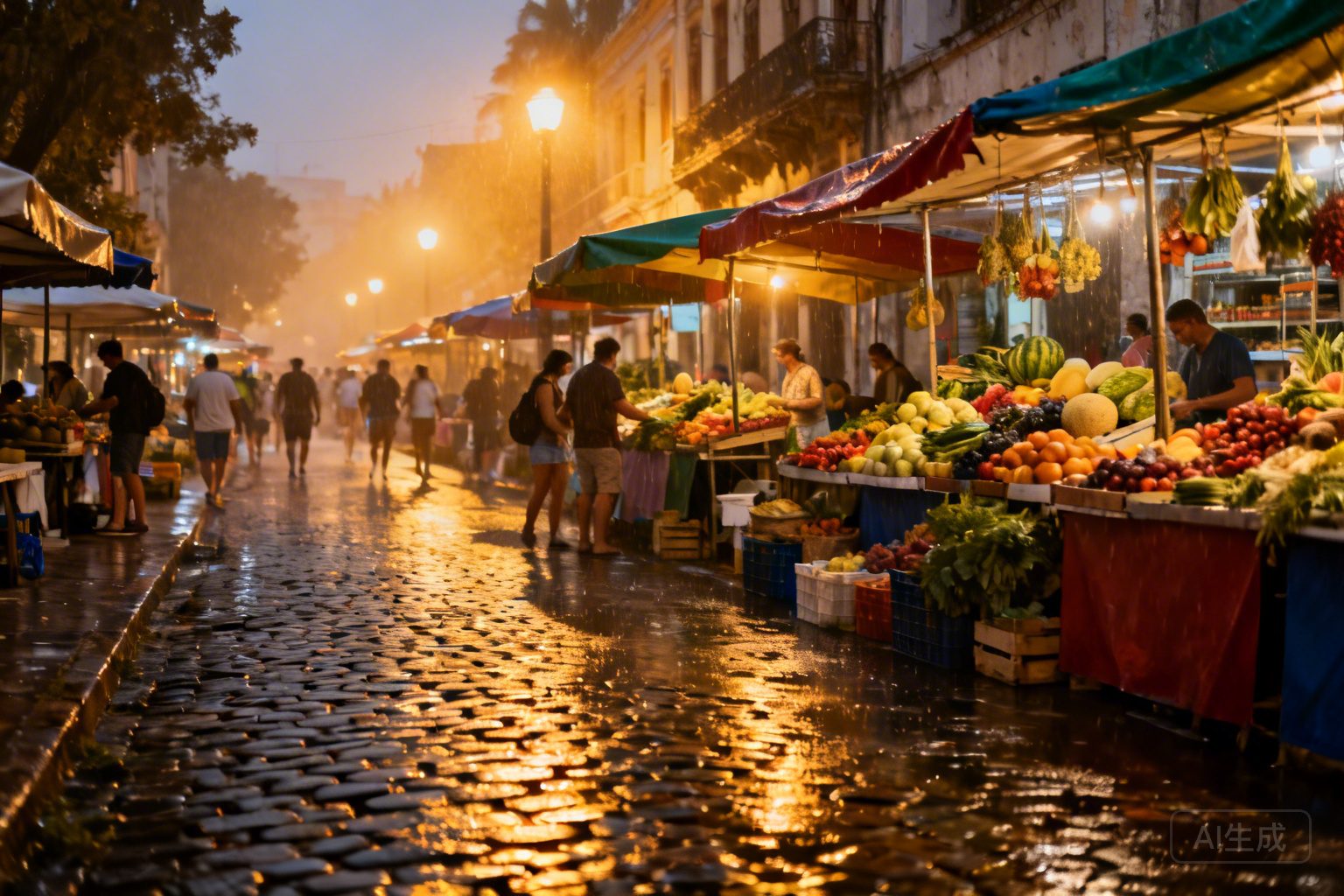
I find myself standing at the corner of Avenida Paulista as a summer storm threatens to break. The sky is the color of a bruised plum. The wind, whipping around the sharp edges of the MASP museum, carries a chill that smells of wet asphalt and distant woodsmoke. I watch a frantic office worker, his tie loosened, clutching a leather briefcase like a shield as he darts through the stalled traffic of yellow taxis and silver hatchbacks. He doesn’t look at the street vendor, a woman with skin like weathered parchment and hands that move with the mechanical grace of a clockmaker, flipping pastéis in a vat of bubbling oil. This is the duality of Sampa: the high-velocity pursuit of capital and the slow, rhythmic sizzle of the street.
1. The Cathedral of Crust: A Casa do Porco
In the bruised heart of Centro, where the peeling paint on hundred-year-old doors tells stories of a grandeur long since faded into bohemian grit, sits A Casa do Porco. This is not merely a restaurant; it is a shrine to the porcine. Chef Jefferson Rueda has created a democratic temple where the queue stretches around the block, a mosaic of tattooed hipsters, elderly couples in their Sunday best, and curious tourists smelling of sunscreen and jet lag.
The Porco San Zé arrives—a hog roasted for twenty-four hours until the skin reaches a state of glass-like fragility. It shatters under the fork with a sound like dry autumn leaves. The meat beneath is a humid revelation, fat-rendered and salty, served with a side of tartar made from raw pig’s heart. I watch a waiter, brusque and efficient with a mustache that looks like it was drawn on with charcoal, navigate the tight aisles with the spatial awareness of a fighter pilot. He drops a plate of “pork popcorn” (crackling so light it feels like air) and vanishes before I can say obrigado. This is the chaos of the city refined into a tasting menu.