From Street Food to Fine Dining: 10 Best Places to Eat in Washington D.C.!
The Ghost of the District: Living Between the Marble and the Murals
I’ve been living in DC for six months now, and I still don’t own a suit. That’s the first thing you realize when you stop being a tourist and start being a nomad here: the “West Wing” version of this city is a curated performance for the cameras. The real city, the one that breathes under the humidity of the Potomac, is a grid of distinct villages. People will tell you DC is transient, but that’s a lie told by lobbyists who never leave the Hill. There is a deep, generational soul here if you know which bus line to take.
To disappear here, you have to master the “DC Walk.” It’s a purposeful, slightly aggressive stride that says, “I have a briefing to attend,” even if you’re actually just going to find a decent pupusa. You don’t look at the monuments; you look at your shoes or your phone. You stand on the right of the escalator (seriously, if you stand on the left, someone in a Vineyard Vines quarter-zip will physically or verbally remove you). And you never, ever call it “Washington.” It’s DC, or “the District.”
1. Mount Pleasant: The Village in the City
If you want to vanish, start in Mount Pleasant. It’s tucked away behind Adams Morgan, north of the zoo, and it feels like a small town in a forest. This is where I found my rhythm. The neighborhood is a mix of Salvadoran families who have been here for forty years and young professionals who want to pretend they live in a commune.
Where to Eat: Each Peach Market & Haydee’s
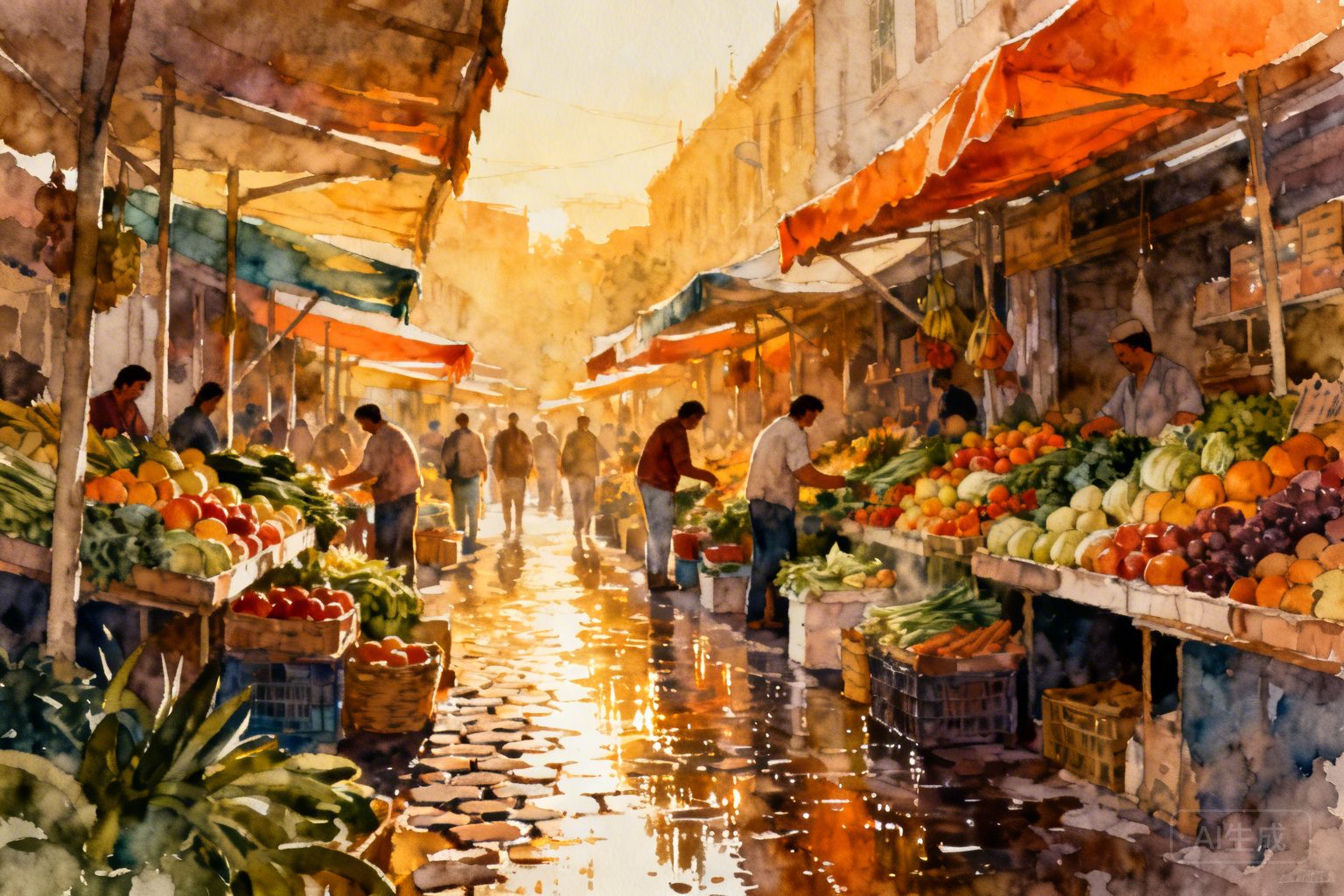
For the street-level vibe, you hit the Mount Pleasant Street NW corridor. Each Peach Market isn’t a restaurant, but it’s where I get my daily sustenance. They have this local sourdough that sells out by 10:00 AM. But for a real meal, you go to Haydee’s. It’s a cavernous, slightly dark spot where the margaritas are strong enough to erase a bad workday and the pupusas are the gold standard. It feels like a living room. I once spent four hours there during a thunderstorm, nursing a single plate of plantains while the owner told me about the neighborhood riots in the 90s. That’s the local fabric: history served with a side of curtido.