Hidden Gems of Kyoto: 10 Secret Spots You Won’t Find in Guidebooks!
The Art of Fading Into the Gray
I’ve been in Kyoto for six months, and I still don’t know where I am half the time. That’s the point. Most people come here with a checklist: Kinkaku-ji, Fushimi Inari, the bamboo grove. They spend their days dodging selfie sticks and their nights in overpriced Gion bars. If you want to actually live here—to disappear into the limestone and cedar scent of the real Kyoto—you have to stop looking at the map and start looking at the laundry lines.
Kyoto isn’t a museum; it’s a living, breathing, occasionally grumpy organism. It’s a city of whispers and unwritten rules. If you’re loud on the bus, you’re an outcast. If you tip at a cafe, you’re an embarrassment. To find the secret spots, you have to earn them by blending into the silence. Here is the blueprint for the city they don’t show you on Instagram.
1. Ichijoji: The Ramen Graveyard and Literary Rot
Everyone talks about the Philosopher’s Path, but if you want real intellectual weight, you go north to Ichijoji. This is a student neighborhood, anchored by Kyoto University types and people who have given up on the corporate ladder to write poetry. It’s gritty in a very polite, Japanese way.
The Spot: Enko-ji’s Back Ridge
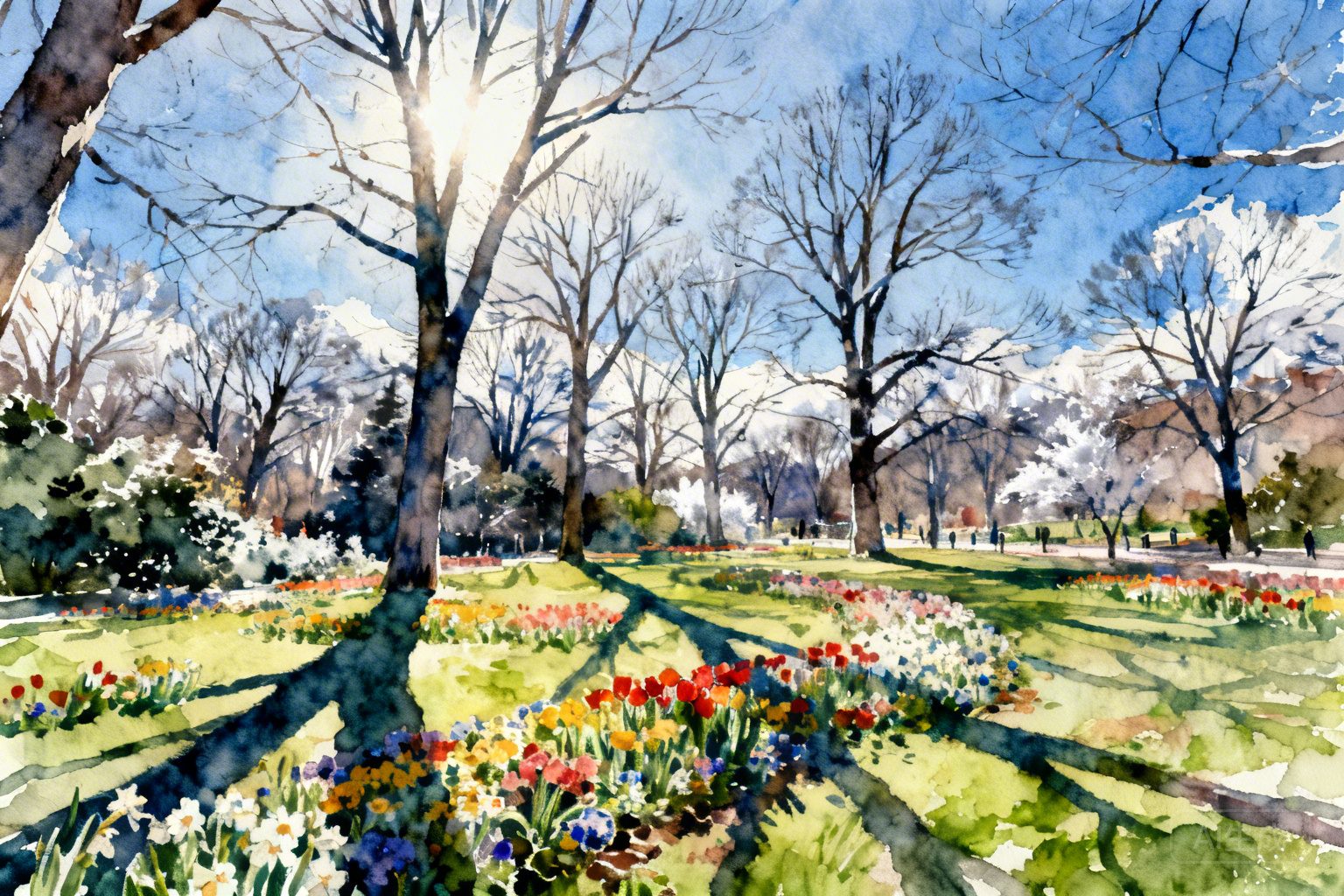
While people crowd the main temple, there’s a small, unmarked trail behind the pond. If you climb for ten minutes, you hit a plateau that overlooks the entire northern basin. No monks, no tour groups. Just the sound of the wind through the maple trees. I spent three hours here once, reading a translated Kobo Abe novel, and saw exactly zero humans.